Editor's NoteWith the bill to abolish the Prosecutors' Office set to pass the National Assembly plenary session on September 25, the reality on the ground is that citizens are engaged in disputes that are almost like private lawsuits. The government advocates for "prosecution reform without harm to the public," but the reality experienced by victims of criminal cases is quite different. This article examines the confusion that has arisen in the field following the adjustment of investigative powers between the prosecution and police, and diagnoses the problems that citizens will face in the era of the Serious Crime Investigation Agency one year from now.
The criminal justice system has undergone major changes due to the adjustment of investigative powers between the prosecution and police in 2021, the complete deprivation of prosecutorial investigative authority in 2022, and the restoration of prosecutorial investigative authority in 2023. As a result, the process from investigation to indictment and judgment has become as complex as a maze. The repeated process of attaching and detaching investigative authority, along with the addition of multiple stages, has delayed the "strict punishment of criminals" and increased the time and costs borne by victims.
The real issue begins next year. With the launch of the Serious Crime Investigation Agency and the establishment of various investigative committees, the number of investigative agencies will increase, and investigation backlogs are expected to worsen. Legal support costs at each stage of the investigation are also expected to rise.
According to Asia Economy's coverage on September 24, the average time taken to process a criminal case from police report to supplementary investigation requests and final disposition by the prosecution was 312.7 days last year. If the prosecution decides to indict, it takes at least two to three years to receive a final judgment from the court.
Repeated process of attaching and detaching investigative authority Serious Crime Investigation Agency to launch next year Investigation backlog and confusion expected to worsen
Legal costs increase at each investigation stage Punishment of criminals delayed
Objections become more complicated Controversy over National Investigation Commission member recommendation rights
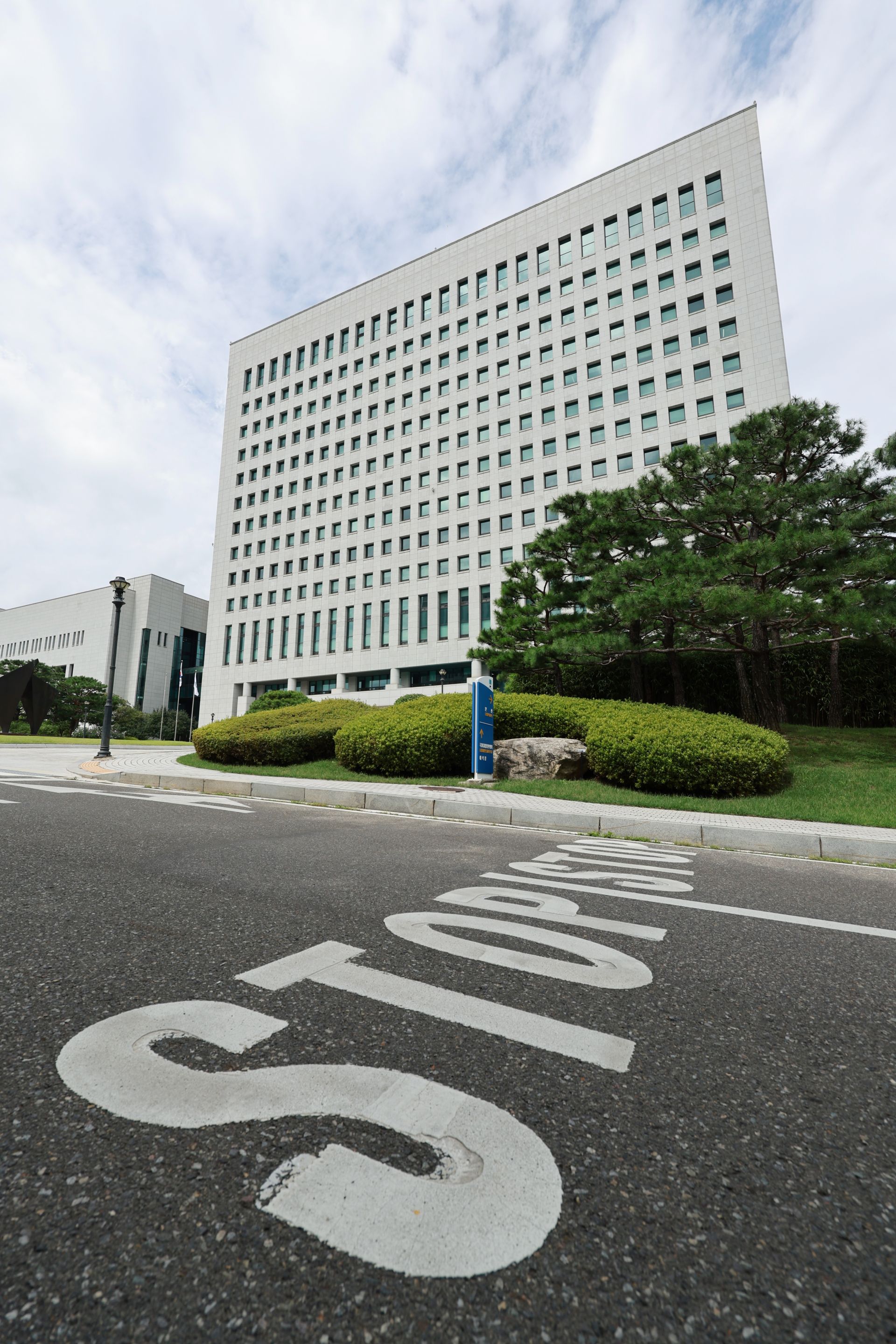
Supreme Prosecutors' Office, Seocho-gu, Seoul. Photo by Yonhap News
Proliferation of Investigative Agencies
First, the number of investigative agencies will increase. Multiple agencies with investigative authority will exist, including the police, Korea Coast Guard, Corruption Investigation Office for High-ranking Officials, special judicial police, and the Public Prosecution Office (if it is granted supplementary investigative powers). For crime victims or parties involved in cases, this essentially creates a structure where investigative agencies spring up like mushrooms after rain, making it difficult to know which agency to entrust with a case.
Economic crimes are a prime example. The handling of financial and securities crimes such as price manipulation, stock recommendation chat rooms, and insider trading will become more complicated. Both the police and the Serious Crime Investigation Agency can conduct primary direct investigations. If victims file complaints or accusations with different investigative agencies, confusion may arise as multiple agencies investigate the same case.
The criteria for which agency should handle a case are also unclear. If the accused or the person being reported finds the handling of their case unfavorable, they may employ a bypass strategy by submitting the case to another agency, causing further confusion in case processing. A lawyer who is a former police officer commented, "If it is not clarified which agency is responsible for which investigation, turf wars could break out."
Objections are also an issue. From the perspective of victims or parties involved in criminal cases, many aspects will become more difficult. Currently, if the police decide not to refer a case for prosecution, the prosecution can review the case once more through an objection and supplement the investigation if necessary.
However, under the prosecution reform bill promoted by the ruling party, if there is an objection to the Serious Crime Investigation Agency's decision not to refer a case, the objection is not made to the Public Prosecution Office. Instead, objections can be filed with the local Serious Crime Investigation Agency or the Investigation Review Committee. If the Investigation Review Committee dismisses the objection, it can then be appealed to the National Investigation Review Commission. Several additional steps must be taken before an objection is possible.
Under the current pending bill, the National Investigation Review Commission is structured to handle objections to cases not referred for prosecution. This means the commission must individually review tens of thousands of objection cases. Rather than another investigative agency conducting supplementary investigations on objected cases, an administrative committee, which is not an investigative body, will simply review the process to determine whether there were any procedural flaws in the investigation.
The composition of the National Investigation Review Commission is also controversial. Under the current proposal, four members are recommended by the National Assembly, four by the President, and three by a separate recommendation committee. With the government and ruling party wielding significant influence, there is concern that improper intervention in investigations could occur depending on the administration. A lawyer who is a former chief prosecutor stated, "If things proceed as proposed, politics will interfere in investigations, and it is questionable whether parties involved in cases will be able to accept the committee's decisions."
Flowchart of Criminal Justice Procedures After the Introduction of the Serious Crime Investigation Agency (Source: Joo Jinwoo, Office of the People Power Party Member of the National Assembly)