Announcement of the Comprehensive Plan "Healthier Seoul 9988"
The Seoul Metropolitan Government aims to extend the healthy life expectancy of its citizens by three years by 2030. This measure is being taken in response to the annual increase in medical expenses for Seoul citizens and the growing social interest in health. The city plans to introduce health management support measures throughout the social system, such as establishing Physical Fitness Certification Centers in each district and increasing the availability of mixed grain rice options at dining establishments.
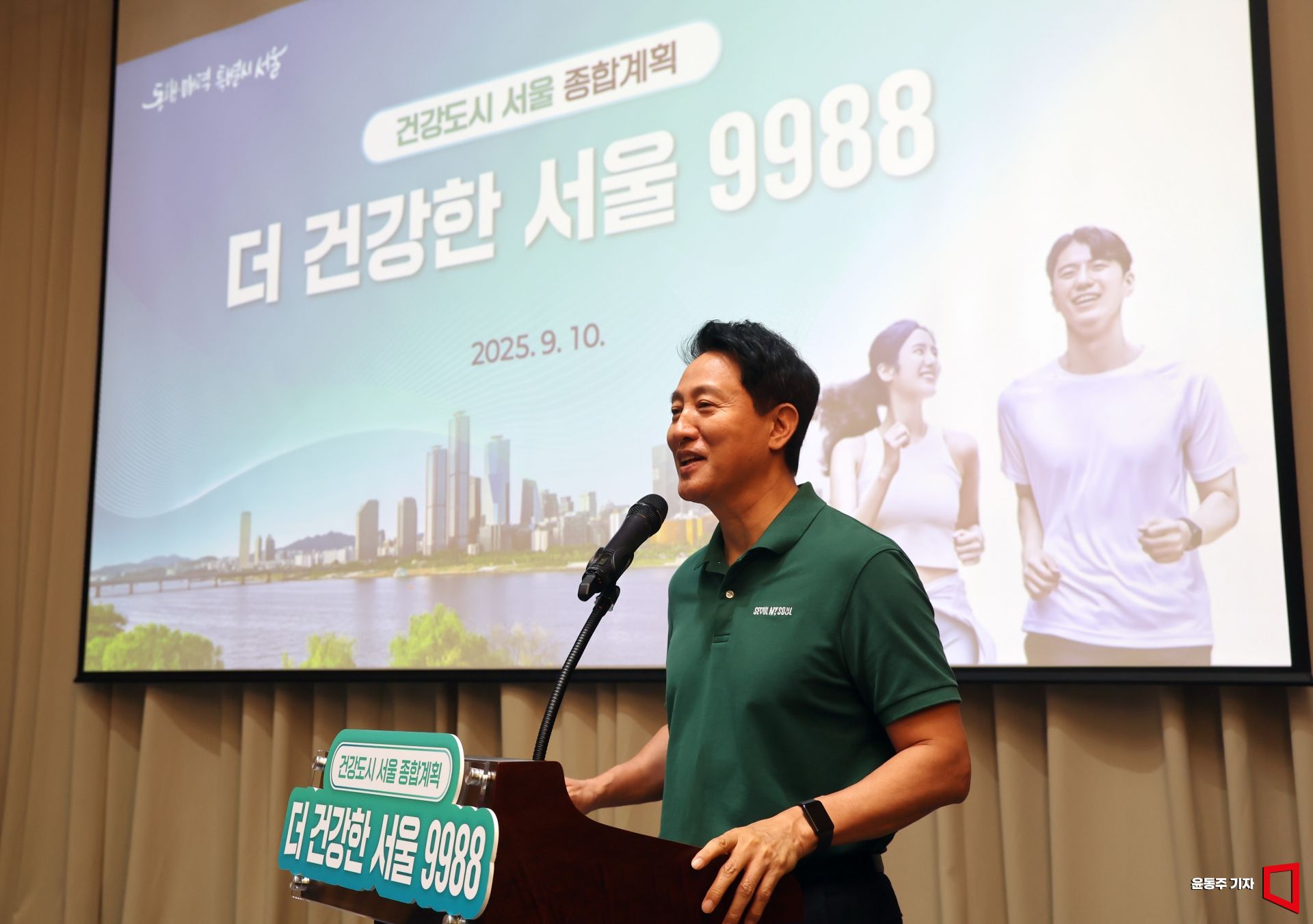
On the morning of the 10th, Seoul Mayor Oh Sehoon announced the comprehensive plan "Healthier Seoul 9988" at Seoul City Hall, stating, "We will support citizens' health not only through individual efforts but also through customized policies and a social system tailored to citizens."
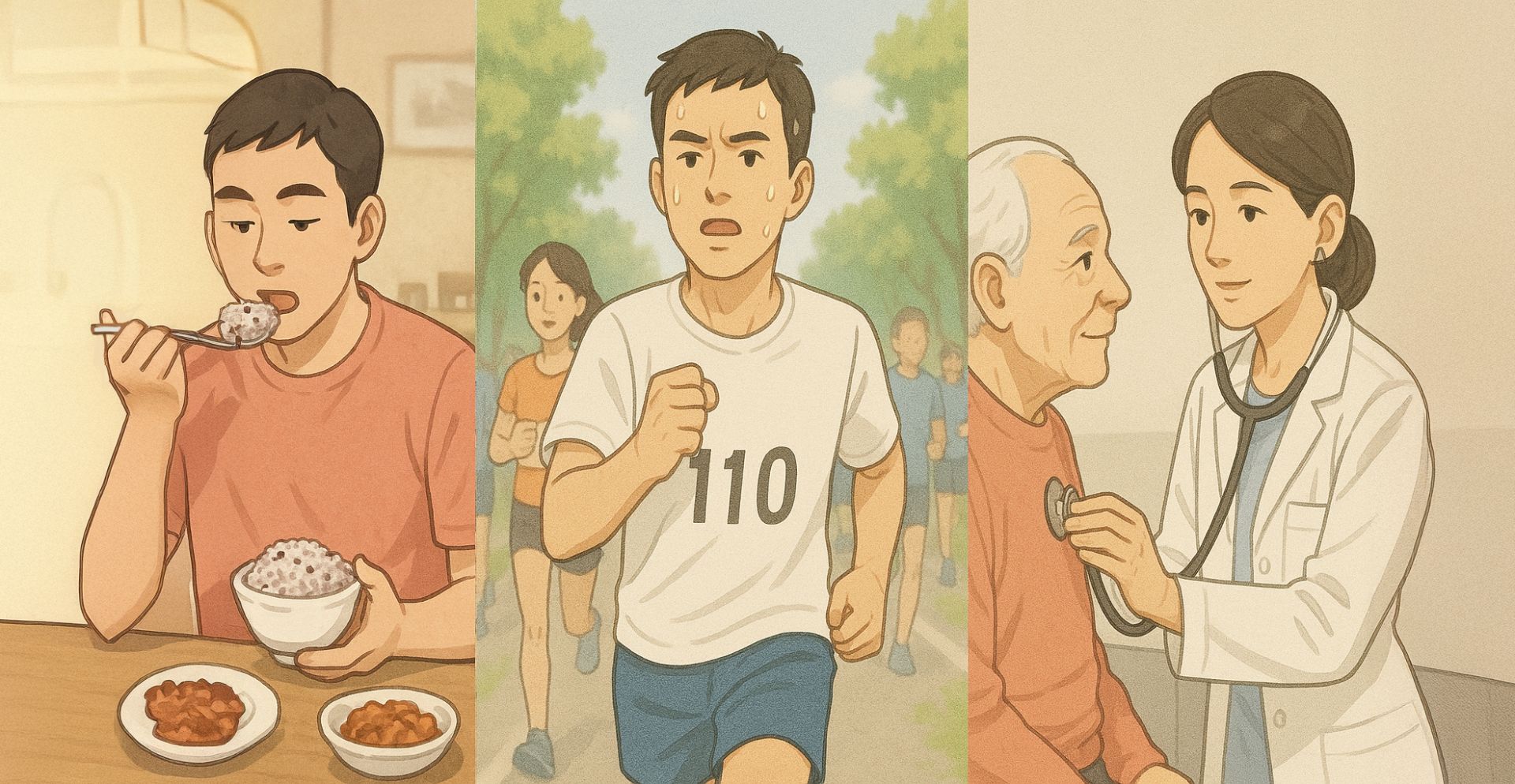
Introducing 'Mixed Grain Rice' Option at Dining Establishments Plan to Expand to a Total of 15,000 Locations 'Health Care Zones' at Convenience Stores and School Canteens Healthy Foods Placed on Child-Level Display Shelves
'Physical Fitness Certification Centers' Operating at 100 Locations Providing Personalized Exercise Plans Establishment of 'Geriatric Care Centers' at Municipal Hospitals Services Available for Mobility-Impaired Seniors
'Health Rest Benches' Installed Throughout the City Creating an Environment That Naturally Encourages Walking
Increasing Healthy Life Expectancy by 3 Years and Exercise Participation Rate by 3 Percentage Points by 2030 Plan to Realize 'Seoul, a Lifelong Healthy City'
Seoul Mayor Oh Sehoon announced the comprehensive plan 'Healthy City Seoul Comprehensive Plan: Healthier Seoul 9988' at Seoul City Hall on the 10th. This plan features customized policies and social system support for Seoul citizens through a city of daily exercise, a city of healthy food, a city for healthy aging seniors, and health city design. 2025.09.10 Photo by Yoon Dongjoo
The Seoul Metropolitan Government noted that the annual medical expenses for Seoul citizens have exceeded 20 trillion won, with medical costs for those aged 60 and over accounting for 54% (11.5 trillion won) of the total, reflecting a growing social and economic burden. Moreover, while the current life expectancy in Seoul is 83.2 years on average (as of 2022), the healthy life expectancy-years lived in good health without illness-is only 70.8 years, showing a gap of more than 12 years.
The city will shift its approach from simple financial support to health management through a reorganization of the social system. The key objective is to increase healthy life expectancy by three years (from 70.8 to 74 years) and raise the rate of regular exercise by three percentage points (from 26.8% to 30%) by 2030, thereby realizing "Seoul, a Lifelong Healthy City."
First, 100 Physical Fitness Certification Centers will be operated by 2030, allowing citizens to measure their fitness levels and receive expert assessments and exercise prescriptions. The "Seoul Fitness 9988" program will also be launched to provide incentives, such as health points, for those who improve their fitness grades. After assessing each individual's physical condition and exercise capacity, the results will be linked to health management programs to offer personalized exercise plans.
The city will also expand infrastructure for daily sports. By 2030, the number of "Virtual Reality Sports Rooms," which can be used regardless of weather conditions, will be increased to 100, and 100 school sports facilities in local communities will be opened to citizens to help reduce health disparities across regions and generations. The number of citizen-participation sports festivals, open to everyone, will also increase. This fall, 5,000 citizens will participate in a "Slow Marathon," a walking event. Starting next year, the event will be held seven times annually, and by 2030, it aims to become Seoul's representative health festival with 10,000 participants.
Food management initiatives are also being promoted. The introduction of mixed grain rice options at dining establishments will begin with 1,000 locations this year, expand to 3,000 next year, and reach a total of 15,000 by 2030. Participating businesses will receive certification marks and will be linked to food delivery applications in the future.
Support measures for children are also included. The "Our Kids Health Care Zone" will be introduced at convenience stores and school canteens, placing healthy foods on child-level display shelves while removing high-salt and high-sugar products. A pilot program will begin at 300 locations next year and expand to 2,000 locations by 2030. The city also plans to gradually introduce a "Processed Food Nutrition Grading System," which will label sugar and sodium content in popular beverages, instant noodles, and snacks to make it easier and more intuitive for citizens to check nutritional information.
Detailed plan of the comprehensive project "Healthier Seoul 9988" announced by the Seoul Metropolitan Government on the 10th. Seoul Metropolitan Government
With Seoul entering a super-aged society, tailored support measures for the elderly have also been proposed. The goal is to introduce an advanced elderly care model (ICOPE) that comprehensively manages seniors' health, including disease treatment, nutrition, muscle strength, and cognitive function. To achieve this, "Geriatric Care Centers" will be established at four municipal hospitals: Seoul Medical Center, Boramae Hospital, Seonam Hospital, and Dongbu Hospital. Through multidisciplinary collaboration in internal medicine, family medicine, and rehabilitation medicine, the city will provide seamless one-stop care from patient screening and treatment to post-discharge community linkage, offering optimized services even for mobility-impaired seniors.
The "Seoul Healthy Longevity Center," which provides systematic management for seniors to age healthily in their own neighborhoods, will expand from 13 locations in five districts this year to 43 locations in all districts next year. A home-visit health management service, in which visiting nurses check a total of 64 health indicators ranging from chronic diseases to depression, is also planned.
The city will also incorporate health elements into urban life, including housing, transportation, and leisure. A representative initiative is the installation of "Health Rest Benches" throughout Seoul to naturally encourage walking. There are also discussions about including "Stairs You Want to Climb" in public building design competitions from the planning stage. In addition, the "Wrist Doctor 9988" health management platform, currently used by 2.4 million Seoul citizens, will be upgraded. The city plans to introduce a system offering up to 3-10% discounts on insurance premiums based on individual walking achievements, encouraging the formation of voluntary healthy habits.
Jung Heewon, Seoul's Chief Health Officer who participated in the development of this comprehensive plan, said, "The role of policy and the system is to create a living environment where anyone can choose a healthy lifestyle regardless of time or economic circumstances," adding, "We will strive to carefully monitor citizens' health by pursuing rapid policies for slow aging."
Health indicators such as blood pressure, diabetes, and obesity rates of Seoul citizens. Seoul City