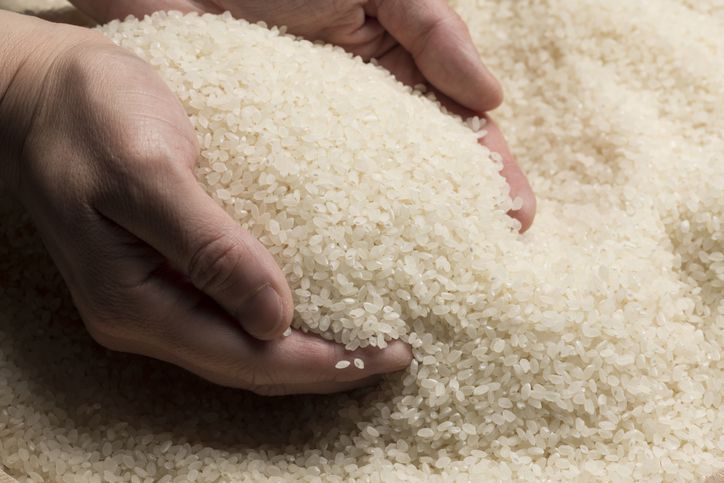
Amid soaring rice prices, Korean rice has started to gain a reputation as a 'cost-effective alternative' among Japanese consumers feeling the burden.
As rice prices in Japan have soared, Korean rice, which had remained on the periphery for decades, is now drawing attention as a 'cost-effective alternative.' As Japanese consumers turn to Korean rice, which is comparatively cheaper, exports of Korean rice to Japan in the first half of this year reached an all-time high.
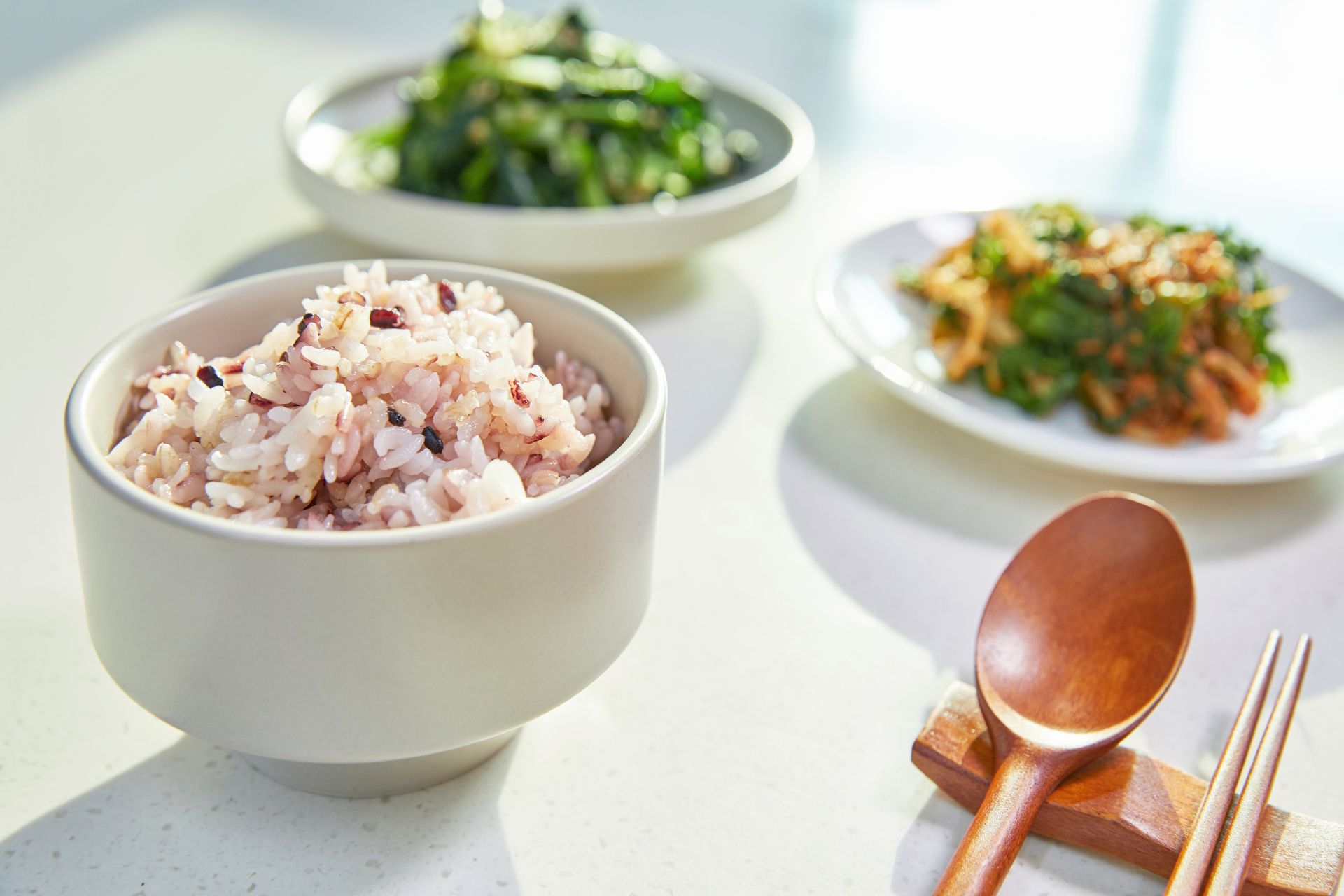
It became a trend for travelers to Korea to purchase Korean rice at supermarkets before returning, and local media focused on the 'reasonable price' of Korean rice.
Nihon Keizai Shimbun reported that Korean rice exports to Japan reached 416 tons in the first half of 2025.
'Windfall' from Soaring Japanese Rice Prices... Korean Rice Exports to Japan Hit Record High
According to Japan's Ministry of Agriculture, Forestry and Fisheries, the retail price of rice in Japan in mid-May rose to 4,268 yen (about 40,000 won) per 5 kilograms. This is more than double the 2023 price, which ranged from 1,500 to 2,000 yen. The background to the sharp price increase is analyzed as a combination of several factors: the record-breaking heatwave in 2023, the resulting decline in rice quality, and panic buying in the aftermath of the major earthquake.

Amid soaring rice prices, Korean rice has started to gain a reputation as a 'cost-effective alternative' among Japanese consumers feeling the burden. It became a trend for travelers to Korea to purchase Korean rice at supermarkets before returning, and local media focused on the 'reasonable price' of Korean rice. In fact, sales of Korean rice on major online platforms have surged, and distributors have begun expanding their supply.
Declining Domestic Rice Consumption Also a Factor

On August 4, Nihon Keizai Shimbun, citing data from the Korea Agro-Fisheries & Food Trade Corporation (aT), reported that exports of Korean rice to Japan reached 416 tons in the first half of 2025 (January to June). This is the highest figure since relevant statistics began in 1990.
Until now, Korean rice exports to Japan had been virtually nonexistent. The previous record was only 16 tons, exported as relief supplies during the 2011 Great East Japan Earthquake, and in some years, the export volume was zero. The Japanese rice market is one of the most closed domestic markets, with high self-sufficiency and tariffs making it difficult for foreign rice to enter. However, this year, the situation has changed. Due to supply shortages and rising prices in Japan, Korean rice is now being recognized as a practical alternative.
Another background factor behind the export increase is the decline in rice consumption within Korea. As of 2023, Korea's annual per capita rice consumption was 55.8 kilograms, a decrease of about 40% compared to 93.6 kilograms in 2000. This rate of decline is much steeper than that of Japan over the same period.
-

Reporter Seo Jiyeong zo2zo2zo2@asiae.co.kr
-
Edit Kwon Sooyoun afineday75@asiae.co.kr
© The Asia Business Daily(www.asiae.co.kr). All rights reserved.