"Smoking and heavy drinking are equally harmful"
"Heatwaves: Not Just a Weather Phenomenon, but a Chronic Disease Risk Factor"
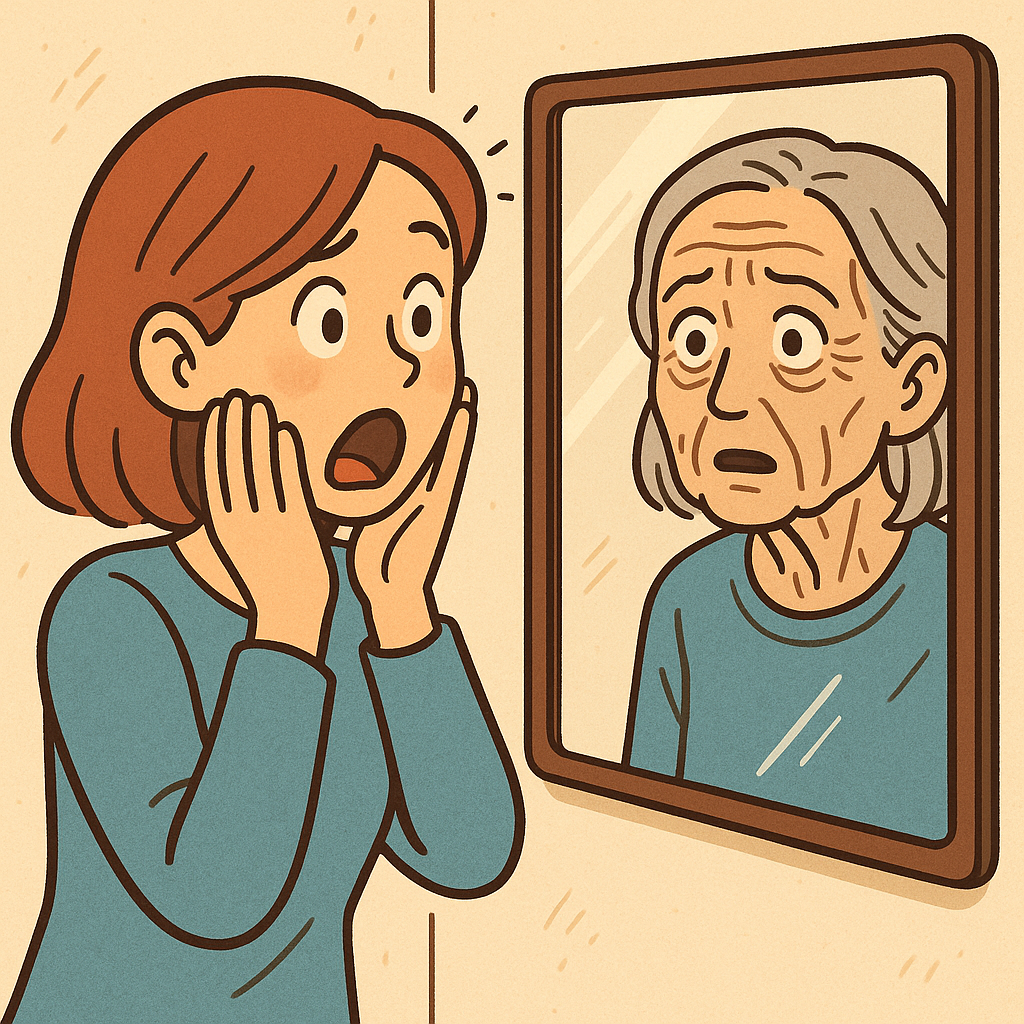
New research has found that frequent exposure to extreme heatwaves accelerates biological aging to a degree comparable to smoking or heavy drinking, going beyond the risk of dehydration.
Recently, researchers at the University of Southern California (USC) announced that people living in regions where temperatures exceed 32 degrees Celsius for more than half the year experienced biological aging up to 14 months faster than those living in areas where such heat occurs less than 10 days a year.
The research team analyzed the correlation between biological age and heatwave frequency among approximately 3,600 older adults across the United States from 2010 to 2016. The average age of participants was 68. Unlike chronological age, biological age reflects the state of bodily functions at the cellular or tissue level and is closely linked to the risk of disease and mortality. These results remained significant even after adjusting for variables such as age, income, and health habits. The findings were published in the scientific journal Science Advances.
When the human body is exposed to high temperatures, the heart beats faster to send blood to the skin and lower body temperature. The nervous system becomes overstimulated, which can cause dizziness, confusion, and memory loss. The kidneys, in trying to conserve water, face an increased risk of dehydration and other damage. The immune system may also overproduce inflammatory substances, triggering responses similar to infection. While these reactions protect the body from heat in the short term, prolonged exposure to heatwaves can actually be harmful.
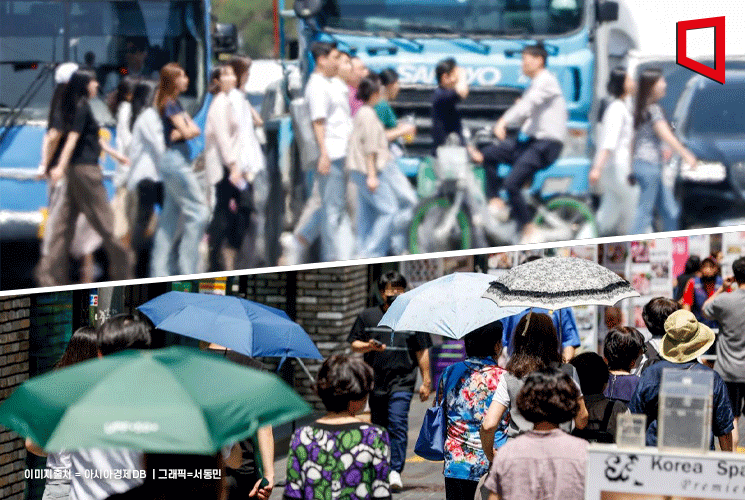
Experts advised minimizing heat stress by running air conditioning indoors to cool down and avoiding going out as much as possible between 10 a.m. and 4 p.m. when the sun is strong.
When going outdoors, it is important to actively seek shade and maintain proper hydration. Government-level support is also necessary. Creating parks and green spaces can mitigate the urban heat island effect, and measures such as installing shade structures and water misting devices at bus stops can help lower perceived temperatures.
Choi Eunyoung, a gerontology specialist at USC, explained, "The impact of long-term exposure to heatwaves places a physical burden similar to that of smoking or drinking," and emphasized, "We need to recognize heatwaves not just as a simple weather phenomenon, but as a major risk factor for chronic diseases."
-

Reporter Koo Nari forsythia26@asiae.co.kr
-
Edit Kim Hyunhee faith100@asiae.co.kr
© The Asia Business Daily(www.asiae.co.kr). All rights reserved.