Did you know that the sweetener 'Erythritol', which is added to diet foods such as low-sugar ice cream and protein bars
Inevitable Dieting When Summer Arrives
As blood sugar diets gain attention, interest in meal plans that reduce sugar intake has also increased.
The food industry is also competing to launch 'zero sugar' products.
However...

can increase the risk of stroke and brain damage?
According to a recent paper published in the international journal 'Journal of Applied Physics'
by the research team led by Christopher DeSouza at the University of Colorado Boulder, USA,
erythritol may damage the 'blood-brain barrier cells,' which serve as the brain's security system by blocking harmful substances and allowing nutrients to enter.
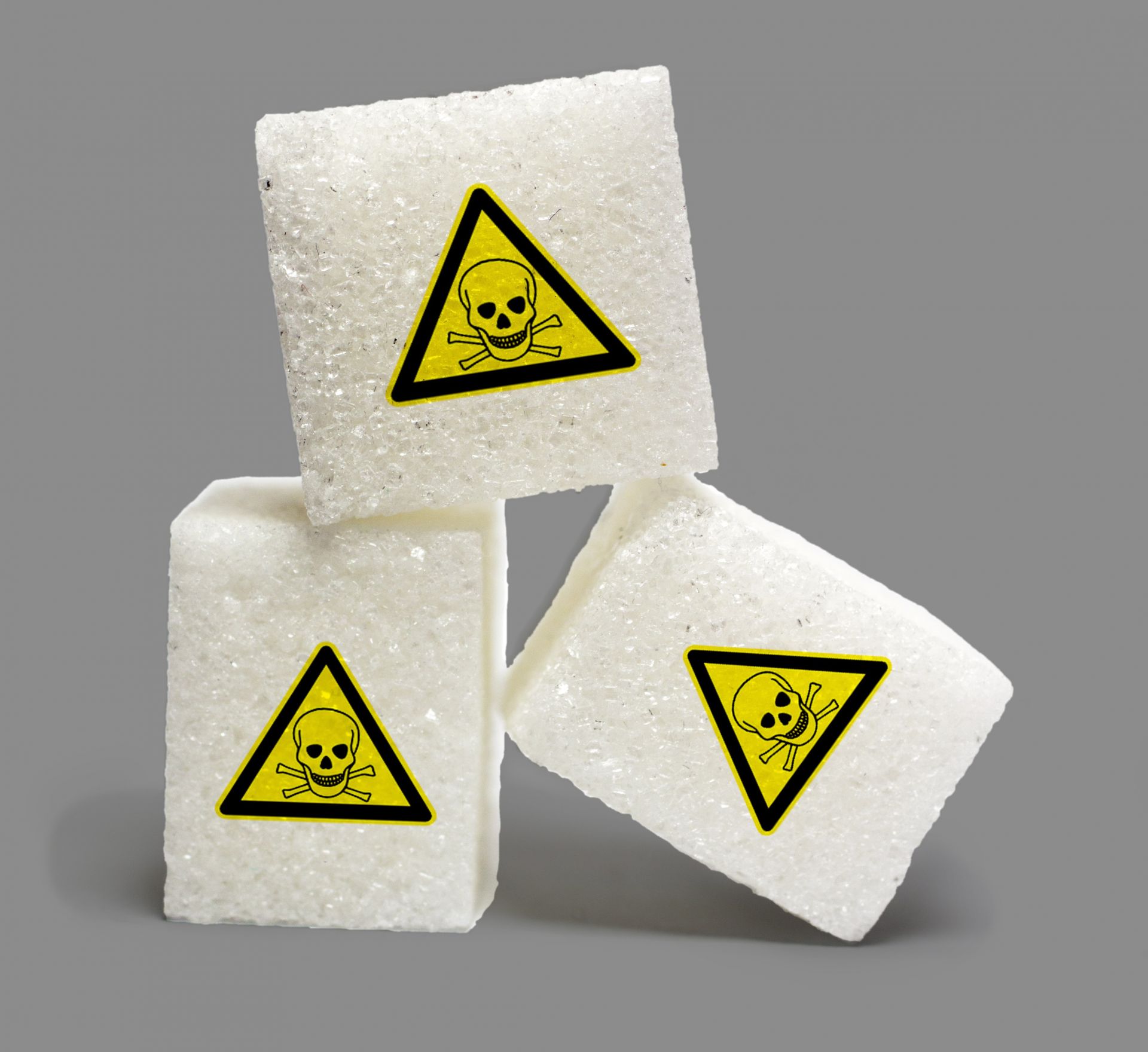
Erythritol, commonly used as a sugar substitute, can threaten heart health and increase the risk of stroke.
The researchers exposed blood-brain barrier cells
to a level of erythritol equivalent to that found in a typical sugar-free beverage.
As a result, a chain reaction of cell damage was observed,
which indicated that the brain could become more susceptible to blood clots.
Blood clots are a major cause of stroke.

The study also focused on the impact of erythritol on the blood vessels' ability to regulate blood flow.
Erythritol was found to decrease the production of nitric oxide, which relaxes blood vessels,
and increase endothelin-1, which constricts blood vessels, thereby disrupting the vascular system.
It was also shown to inhibit the body's natural defense mechanisms against blood clots.
Normally, when a blood clot forms in a blood vessel, cells secrete a 'clot-dissolving agent' called tissue plasminogen activator
to dissolve the blocked vessel before it causes a stroke.
However, erythritol may block this protective mechanism, allowing blood clots to freely cause damage.
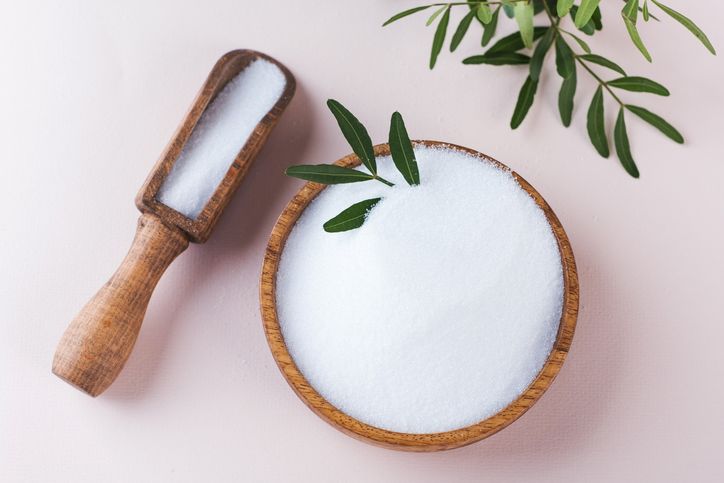
Professor Deusuja pointed out, "This experiment was conducted at a level corresponding to a single intake of erythritol, but the risk may increase if consumed multiple times a day."
Erythritol acts more similarly to sugar than other alternative sweeteners,
which is why it has become popular among food manufacturers.
With about 80% of the sweetness of sugar, it can be used more easily in various recipes.
Unlike artificial sweeteners such as aspartame or sucralose,
erythritol is also a naturally occurring compound that the body produces in small amounts.
Because of this classification, erythritol was not included in the World Health Organization (WHO) guidelines,
which do not recommend the use of artificial sweeteners for weight control.
In addition, regulatory agencies such as the European Food Safety Authority and the U.S. Food and Drug Administration (FDA)
have also approved erythritol as safe for consumption.