"This area doesn't take many loans, so the loan regulations don't have much impact. Many people come to see houses even on weekends." (Eunpyeong-gu Eungam-dong, Representative of B Real Estate)
"If the loan regulations block the Hangang Belt, it seems like the fire will spread to the outskirts of Seoul and the neighboring Gyeonggi Province. We extended business hours on Friday for customers who had only made preliminary contracts to sign the contracts." (Guri-si, Gyeonggi-do, CEO of C Real Estate)
After the Implementation of Ultra-Strict Loan Regulations, Divergent Trends in the Seoul Real Estate MarketMapo: "Cancellations as Loans Are Unavailable" Eunpyeong and Gangbuk: "No Impact from Loan Regulations, Influx of Customers" Gangnam 3 Districts Face 'Constraints' in Finding Buyers
Buyers Give Up on Mid-to-High-End Properties as Mortgages Over 600 Million Won Are Blocked, Shifting Attention to Outskirts of Seoul... Concerns Over the Balloon Effect Mandatory Move-In and Adjusted Jeonse Loan Guarantee Ratios Affect Low-Income Groups
"There aren't many listings right now. Some customers are focusing on Nowon, Dobong, and Gangbuk, believing these areas will become hot since apartments priced around 600 million won are unaffected by the loan regulations." (Representative of A Real Estate, Junggye-dong, Nowon-gu)
"This area doesn't take many loans, so the loan regulations don't have much impact. Many people come to see houses even on weekends." (Representative of B Real Estate, Eungam-dong, Eunpyeong-gu)
"If the loan regulations block the Hangang Belt, it seems like the fire will spread to the outskirts of Seoul and neighboring Gyeonggi Province. We extended business hours on Friday for customers who had only made preliminary contracts to sign the contracts." (CEO of C Real Estate, Guri-si, Gyeonggi-do)
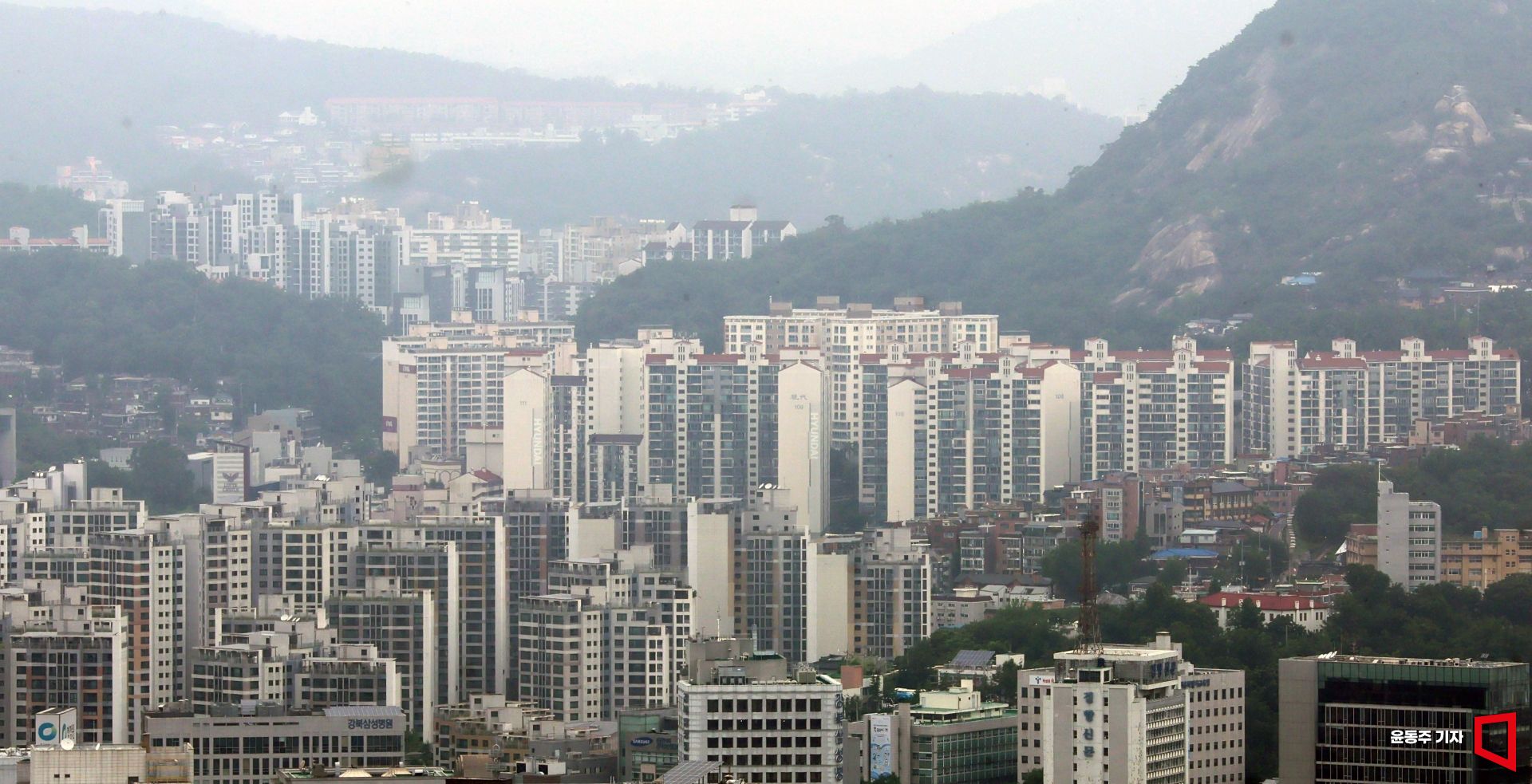
After the financial authorities announced loan regulations on June 27, blocking mortgages over 600 million won, attention has shifted to mid-to-lower-tier areas on the outskirts of Seoul, where the loan burden is relatively low. With the start of ultra-strict regulations restricting loans even for actual homebuyers through programs such as First-Time Homebuyer, Didimdol, and Bogeummorum, the cash burden for purchasing homes in the Gangnam 3 districts, Mapo, Yongsan, and other areas with many apartments priced over 1.5 billion won has increased, leading buyers to consider alternatives. Experts have pointed out the urgent need to address the balloon effect of rising home prices in surrounding areas, increased housing burdens for tenants, and supply instability.
Temperature Differences by Housing Price
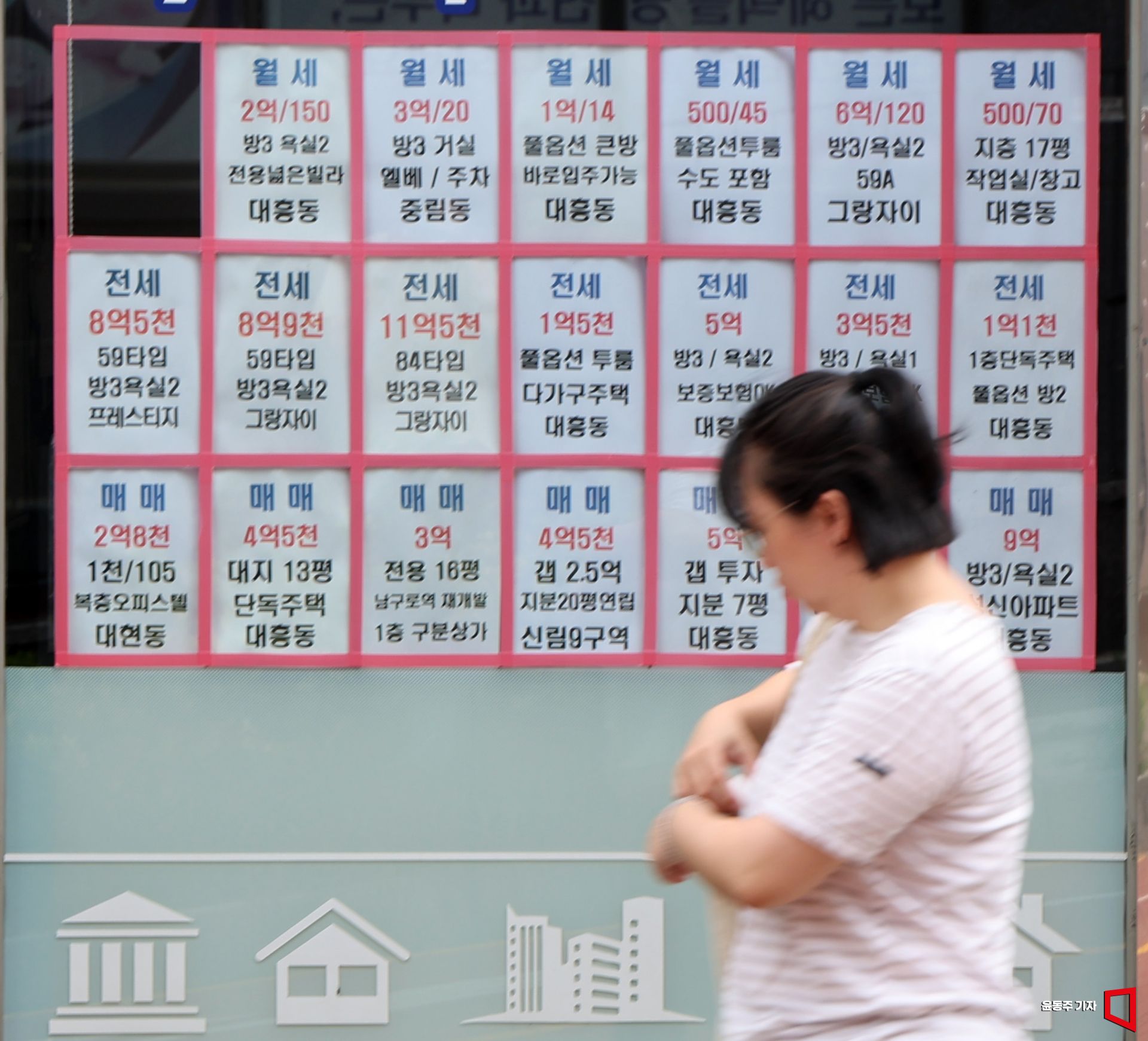
After the financial authorities' loan regulations, real estate agencies across the Seoul metropolitan area saw clear differences by housing price on June 27 and 28. In high-end areas where buyers need loans over 600 million won, those who missed the "last train" for loans were giving up on purchases. In areas where homes could be bought for around 1 billion won, inquiries from buyers continued. The representative of D Real Estate near Gongdeok-dong, Mapo-gu, said, "Several groups of customers said they would come to see houses over the weekend, but as loans are now unavailable, they canceled one after another, saying they probably can't buy."
The atmosphere was different in the outskirts of Seoul, such as Nowon, Dobong, and Gangbuk districts. An employee of E Real Estate in Mia-dong, Gangbuk-gu, said, "Since the end of May, there has been a sharp increase in customers, and even after the announcement of the regulations, there has been a constant stream of people wanting to see houses," adding, "For apartments around 600 million won, many people actually think prices will rise further due to the new loan regulations."
The manager of B Real Estate in Eungam-dong, Eunpyeong-gu, explained, "There were many customers who wanted to see houses even on weekends or asked to make reservations," and added, "Among those who intended to buy through gap investment, some requested to match them with tenants who could move in without taking out loans, instead of lowering the jeonse deposit."
In high-end areas along the Han River, including the Gangnam 3 districts, there are expectations that the number of listings will increase as it becomes more difficult to find buyers. The representative of F Real Estate near Banpo-dong said, "There have been many calls from homeowners who had sold their homes when prices were rising, asking what will happen to them going forward."
There are also expectations that the number of listings will increase in high-end areas along the Han River, including the Gangnam 3 districts, as it becomes more difficult to find buyers. The representative of F Real Estate near Banpo-dong said, "There have been many calls from homeowners who had sold their homes when prices were rising, asking what will happen to them going forward. As time passes, it seems likely that more listings will come back on the market. I don't know if prices will go down, but for the time being, price increases will be limited."
According to the Seoul Real Estate Information Plaza, as of June 30, the number of apartment transactions in May was 8,031, while in June it was 5,728. The May transaction volume was the highest since March (10,293 transactions), when the Land Transaction Permit Zone (LTPZ) was lifted. Considering that there is still about a month left for reporting actual transactions in June, the final June transaction volume is expected to exceed this number. However, there are also predictions that transaction volume will inevitably decrease after the loan regulations.
Experts: "Balloon Effect Must Be Closely Monitored"
As these regulations have a significant impact on actual low- and middle-income homebuyers, experts say the government must closely monitor the balloon effect. Ham Youngjin, head of the Real Estate Research Lab at Woori Bank, said, "We need to pay close attention to the balloon effect in outer areas such as Nowon, Dobong, and Gangbuk (collectively known as Nodogang), and Geumcheon, Gwanak, and Guro (Geumgwanggu), where many properties priced between 600 million and 800 million won are concentrated." Ko Jongwan, head of the Korea Asset Management Research Institute, also predicted, "There is a possibility that home prices in the outskirts will become volatile."
Lee Eunhyeong, research fellow at the Korea Institute of Construction Policy, said, "Setting uniform loan limits for both actual homebuyers and multiple homeowners is unprecedented in its strictness," and added, "While there may be some immediate effects, this alone is not enough to expect long-term policy results."
Kim Hyosun, chief real estate specialist at NH Nonghyup Bank, said, "Compared to mid- and low-priced homes, properties priced between 800 million and 2 billion won have seen a reduction in loan amounts, and there is a growing balloon effect in areas where people can still buy homes with loans." She added, "In the long run, if financial regulations are not permanent but are eased once household debt is under control, there could be repeated surges in demand whenever loans become available."
Kwon Youngsun, team leader at Shinhan Bank's Real Estate Investment Advisory Center, said, "These regulations may have a calming effect on the market, but that doesn't mean demand will disappear. Anxiety over supply remains. There needs to be a clear signal that supply will increase."
Some believe that among the new measures, the requirement to move in within six months after taking out a mortgage could drive up jeonse prices and fuel the balloon effect. Park Wongap, senior real estate specialist at KB Kookmin Bank, pointed out, "With these regulations, people who buy homes will have to move in right away, which could reduce the number of jeonse and monthly rental listings. As jeonse fraud has pushed demand for apartment jeonse, and with fewer new apartment completions, the imbalance in the jeonse supply could worsen."
Ham also emphasized, "The jeonse loan guarantee ratio has been lowered from 90% to 80%, and combined with expectations of a base rate cut, we could see both rising jeonse prices and a shift to monthly rents. This could increase the housing burden for tenants, so close monitoring is needed."