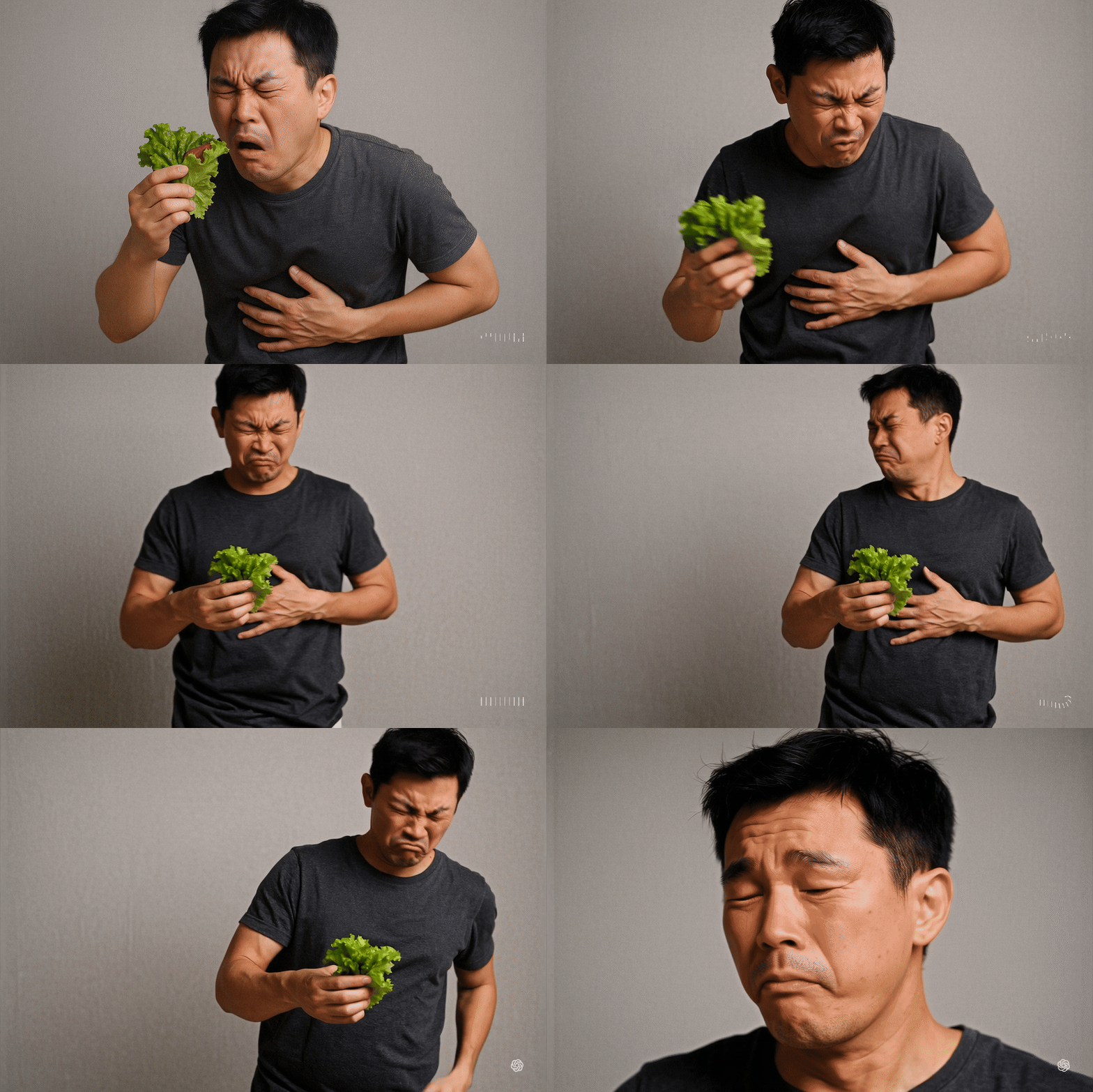

A research team led by Professor Paul Hunter, an infectious disease expert at the University of East Anglia in the UK, recently analyzed 35 cases of STEC infection related to lettuce consumption.
A recent study has found that Escherichia coli detected in vegetables such as lettuce can cause damage to major organs, including the colon, and may be linked to colorectal cancer.
On June 20, UK health authorities announced that the infection rate of the mutant strain 'STEC (Shiga Toxin-producing Escherichia coli)' has increased nearly tenfold over the past seven years.
STEC is mainly found in leafy vegetables such as lettuce and, unlike ordinary E. coli, secretes a 'Shiga toxin.' This bacterium is also known to produce another toxin called 'colibactin,' which increases the risk of developing colorectal cancer. Symptoms of infection include acute bloody diarrhea, cramping abdominal pain, vomiting, and fever.
A research team led by Professor Paul Hunter, an infectious disease expert at the University of East Anglia in the UK, recently analyzed 35 cases of STEC infection related to lettuce consumption. Among these, 8 cases were caused by poor hygiene management during the vegetable processing stage, and 6 cases were directly linked to livestock manure around the cultivation area.
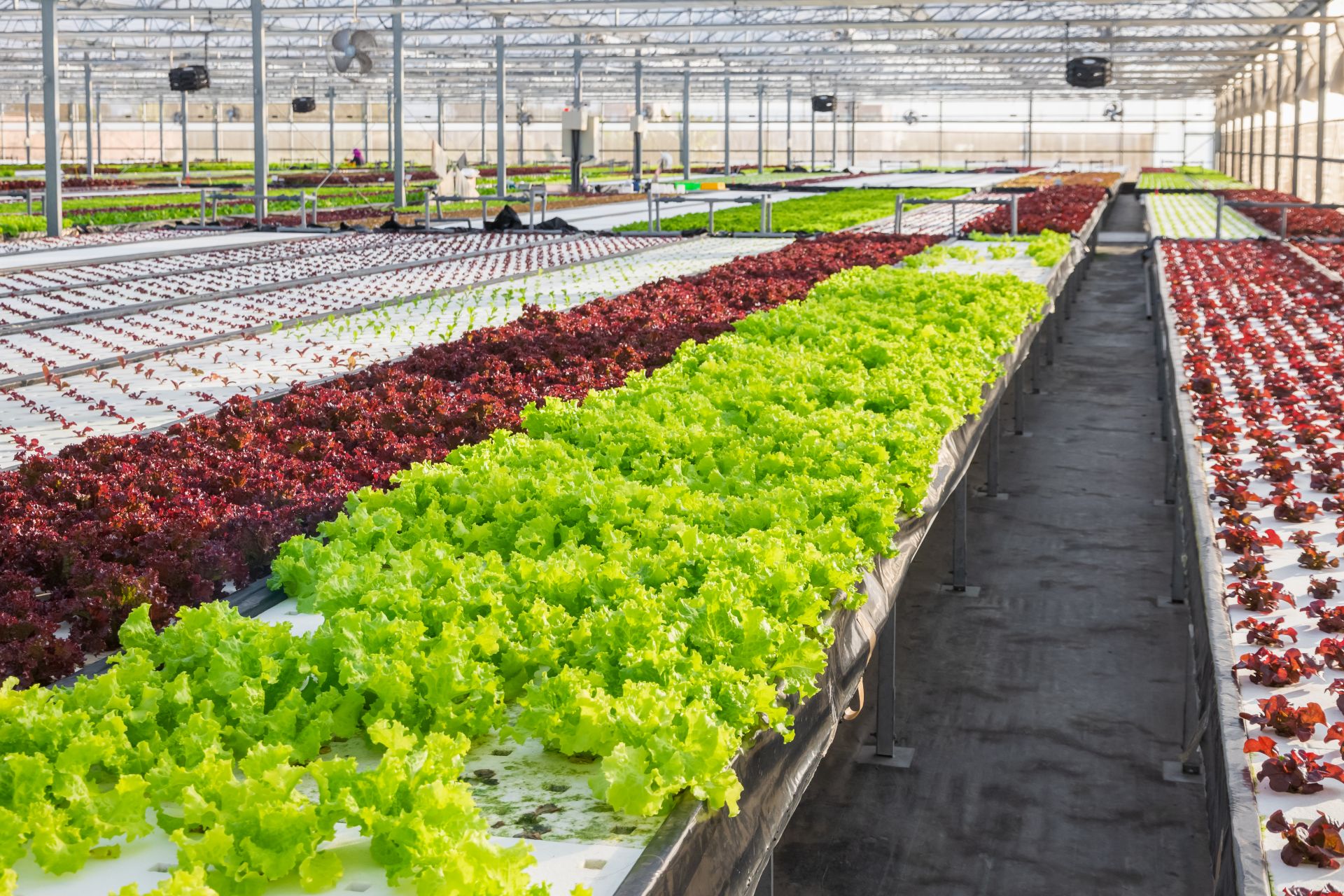
Among these, 8 cases were caused by poor hygiene management during the vegetable processing stage, and 6 cases were directly linked to livestock manure around the cultivation area.
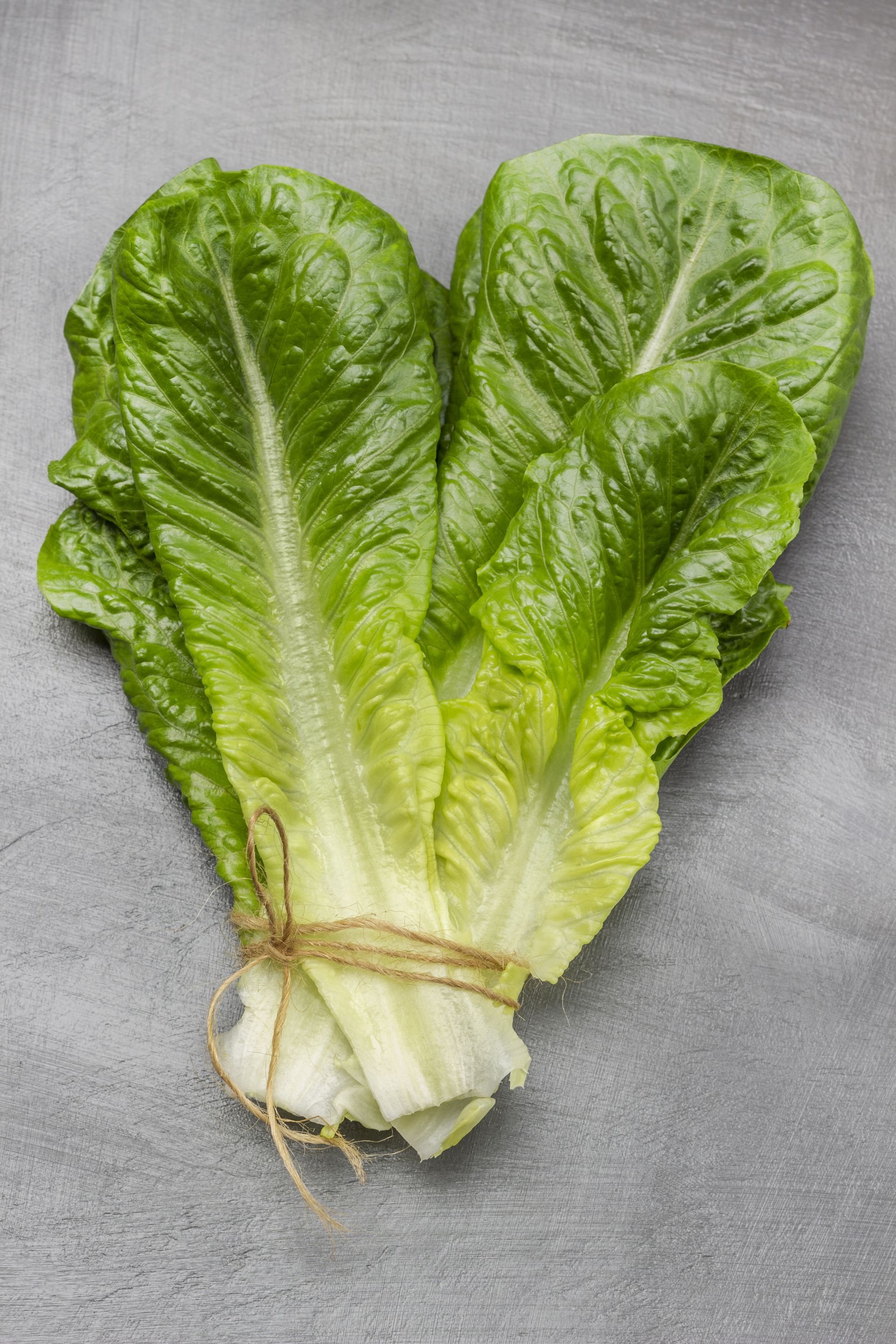
Professor Hunter said, "Leafy vegetables account for about half of STEC infections. Lettuce has a wrinkled and rough surface, making it difficult to completely remove bacteria through washing alone."
He added, "Since they are often eaten raw, the risk of infection is higher."
It was also explained that although vegetables such as cucumbers, tomatoes, and bell peppers are often eaten raw, they grow in a way that does not directly touch the soil, so the risk of contamination is relatively lower. Leafy vegetables like lettuce have a large contact area with soil and many tiny structural crevices, making it easy for bacteria to inhabit them.
Experts emphasize the importance of 'safe washing methods' to avoid these risks. According to the US Food and Drug Administration (FDA), it is basically important to wash vegetables under running water. While vegetable washing detergents can be used, the most basic and effective method is to rinse them with running tap water.
-

Reporter Park Jisoo parkjisu09@asiae.co.kr
-
Edit Bae Byoungmin wuhaha@asiae.co.kr
© The Asia Business Daily(www.asiae.co.kr). All rights reserved.