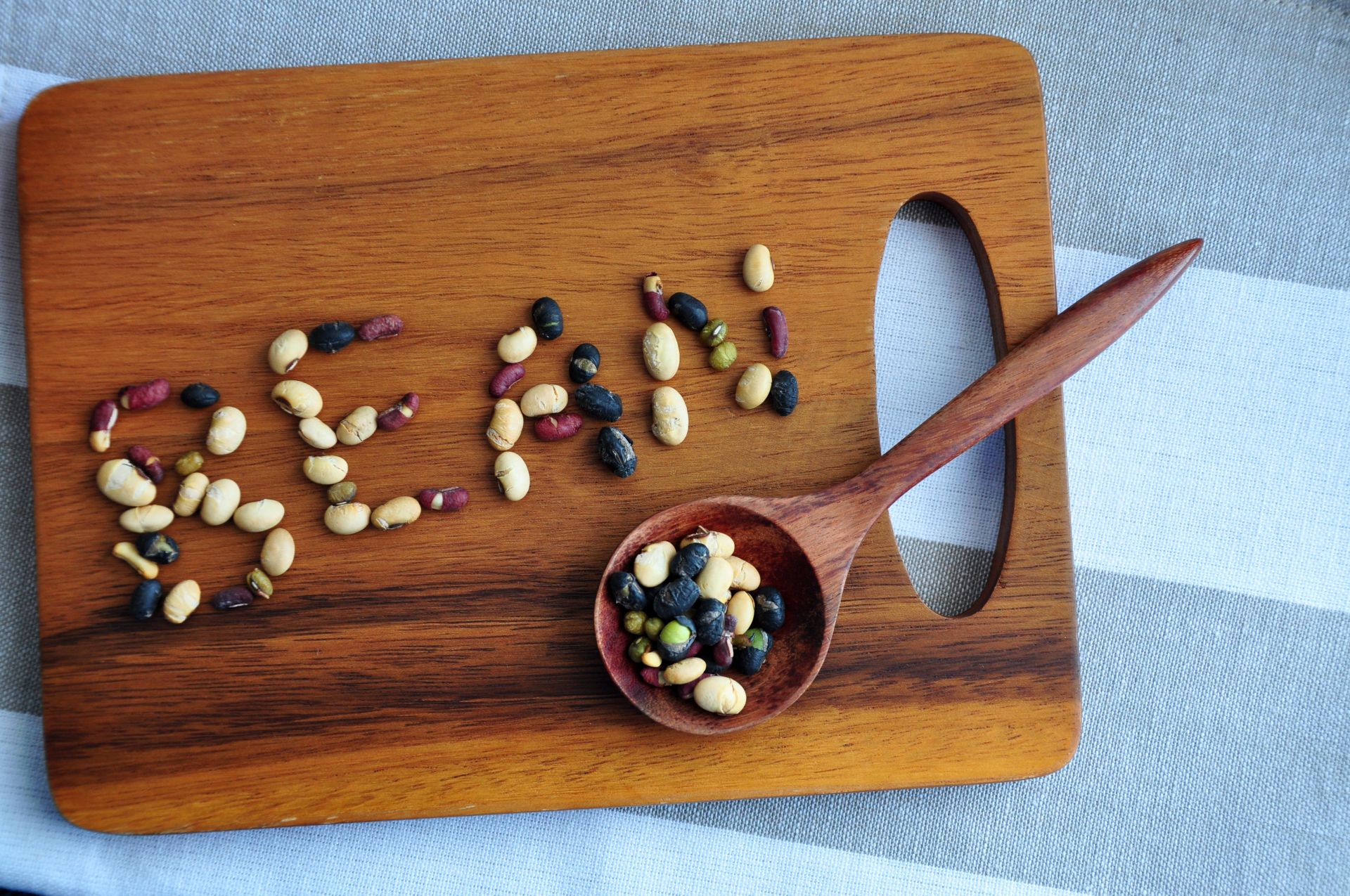
◎After eating one cup of soybeans for 12 weeks, cholesterol and inflammation levels dropped sharply
'Research by a team at the Illinois Institute of Technology, USA'
An experiment in which participants consumed one cup of chickpeas or black beans daily showed that
their cholesterol and inflammation levels decreased noticeably.
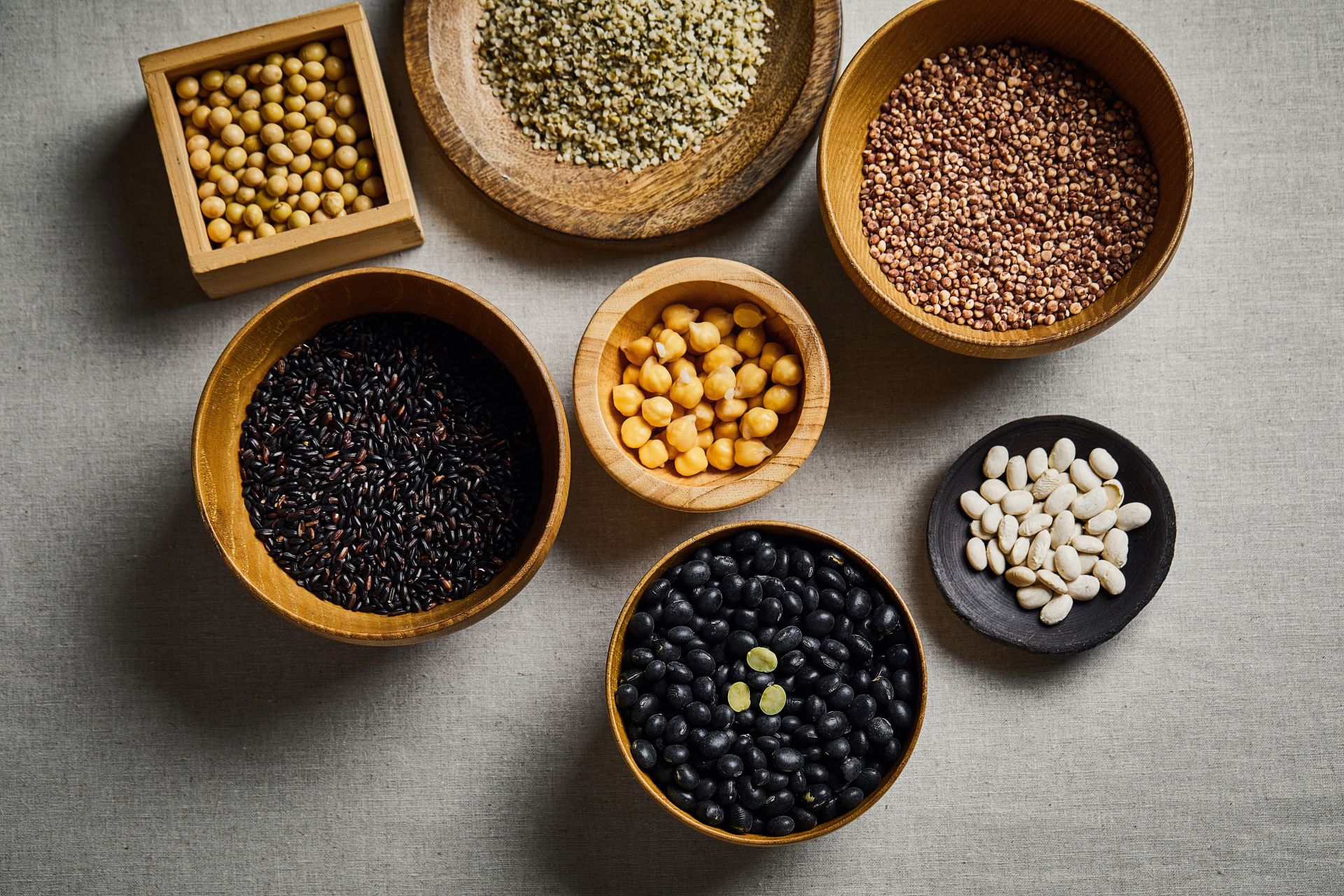
◎What can Kong do for you?
This study was conducted over 12 weeks with 72 adults in the prediabetes stage.
Participants were divided into three groups, and each group:
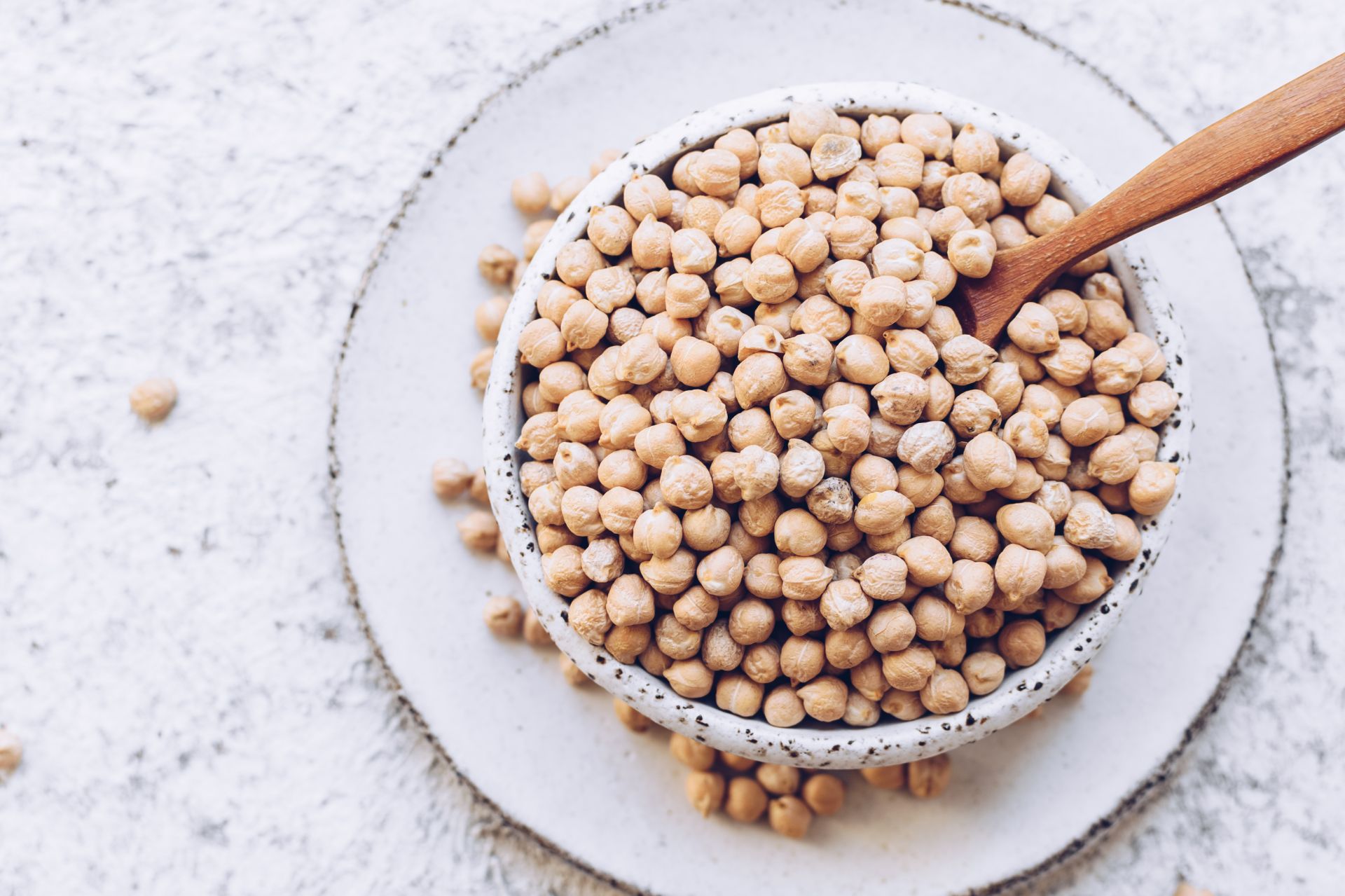
▶1 cup chickpeas
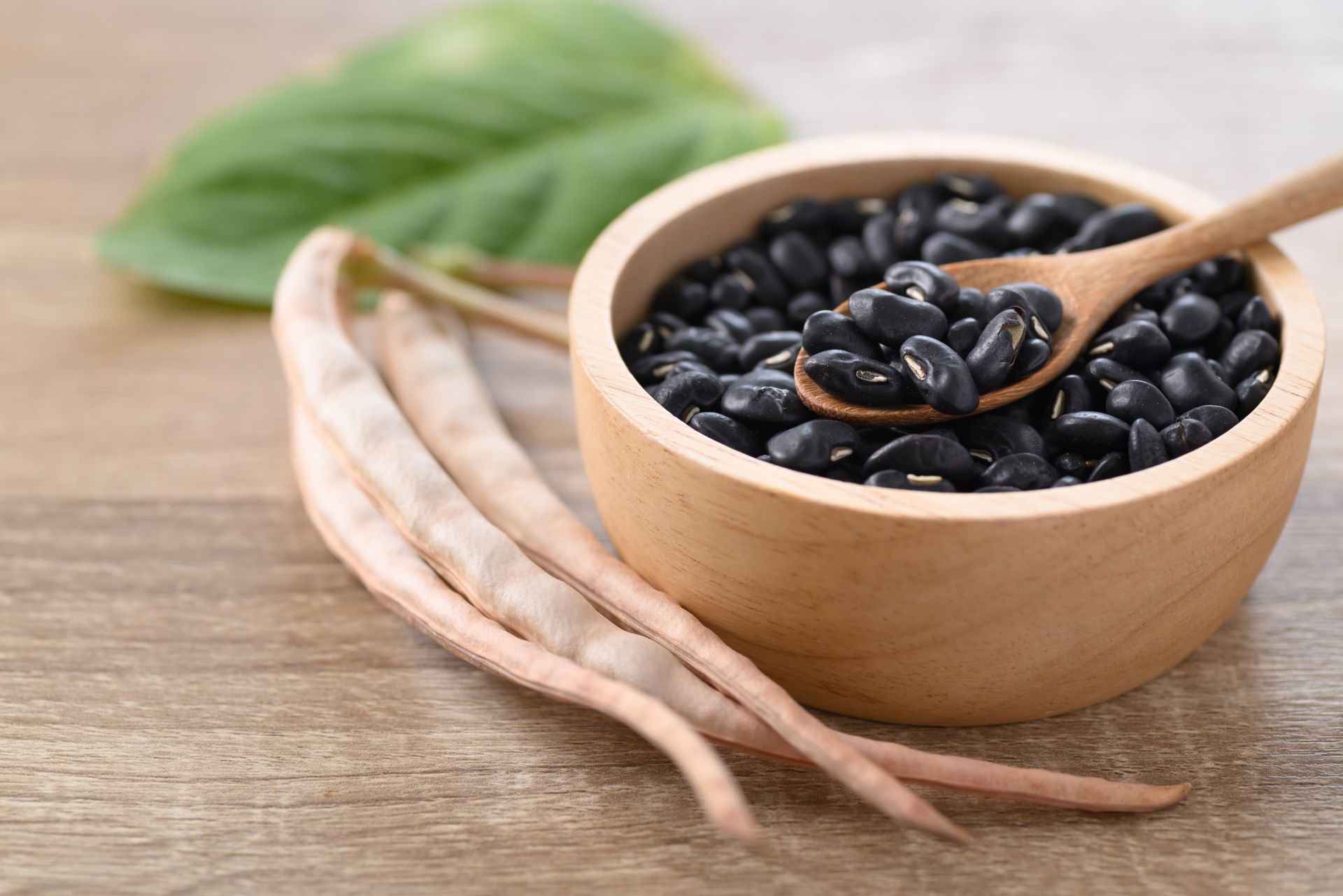
▶1 cup of black beans
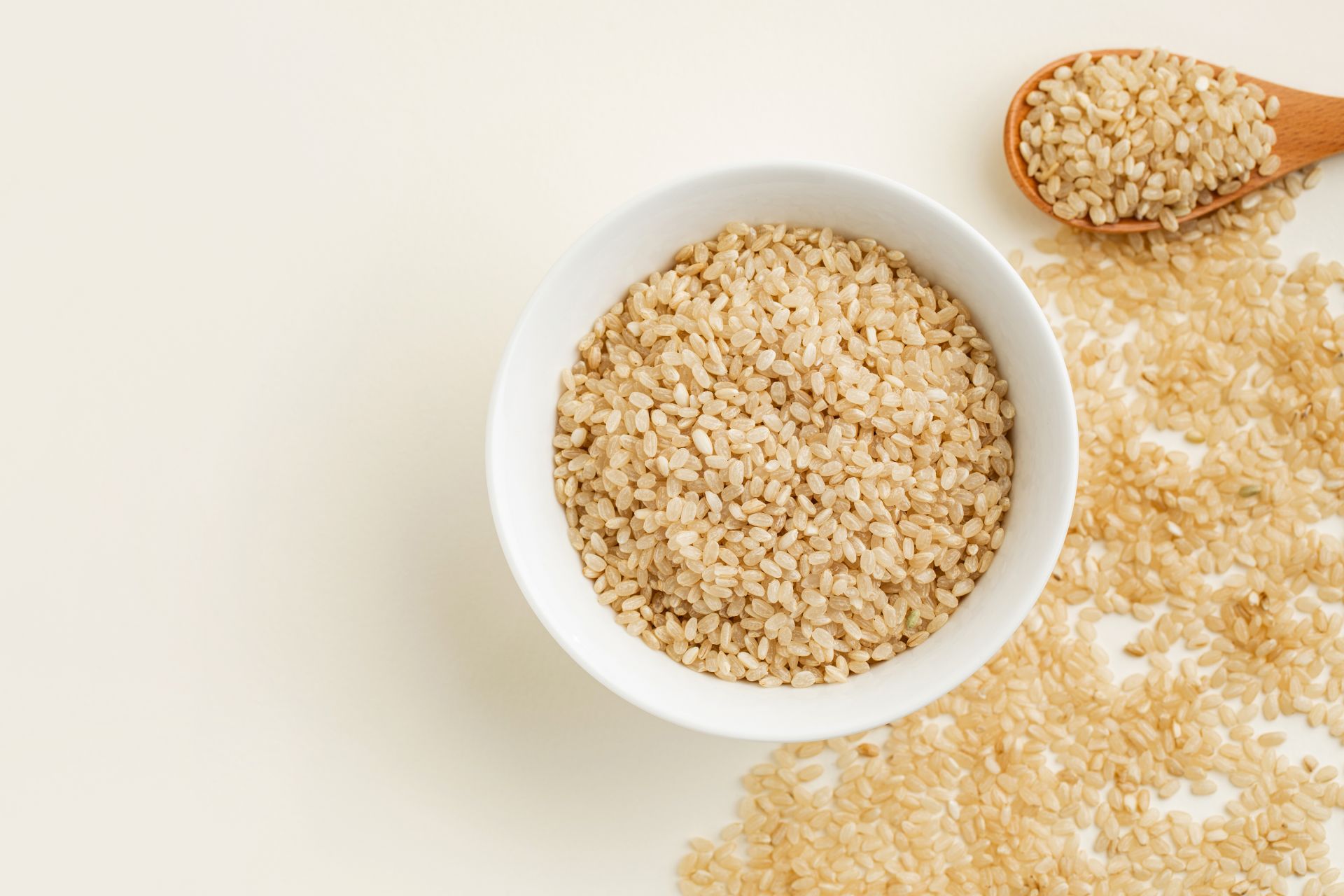
▶One cup of rice (control group) was consumed daily.
Fasting blood samples were collected and analyzed at the start of the study, at week 6, and at week 12.

In the chickpea group, total cholesterol decreased from 200.4mg/dL at the start to 185.8mg/dL after 12 weeks.
In the black bean group, the inflammation marker interleukin-6 dropped from 2.57pg/mL to 1.88pg/mL.
No significant changes in blood glucose levels were observed in any of the groups.
In other words, prediabetic patients who consumed chickpeas saw a 7.3% reduction in cholesterol, while those who consumed black beans experienced a 26.8% decrease in inflammation markers.
◎By the way, what is the prediabetes stage?
'Prediabetes' refers to a state with a high risk of progressing to diabetes.
This is defined as a fasting blood glucose level between 100 and 125mg/dL,
which is higher than normal, but not yet reaching the diabetes threshold of 126mg/dL.
Currently, as many as one in three people in the United States?about 98 million?are in this stage.
◎I understand soybeans are good, but how do I eat them?
Researcher Morgan Smith, who participated in the study, said:
"Beans are good for everyone, not just those with prediabetes. However you eat them, the important thing is to get started!"
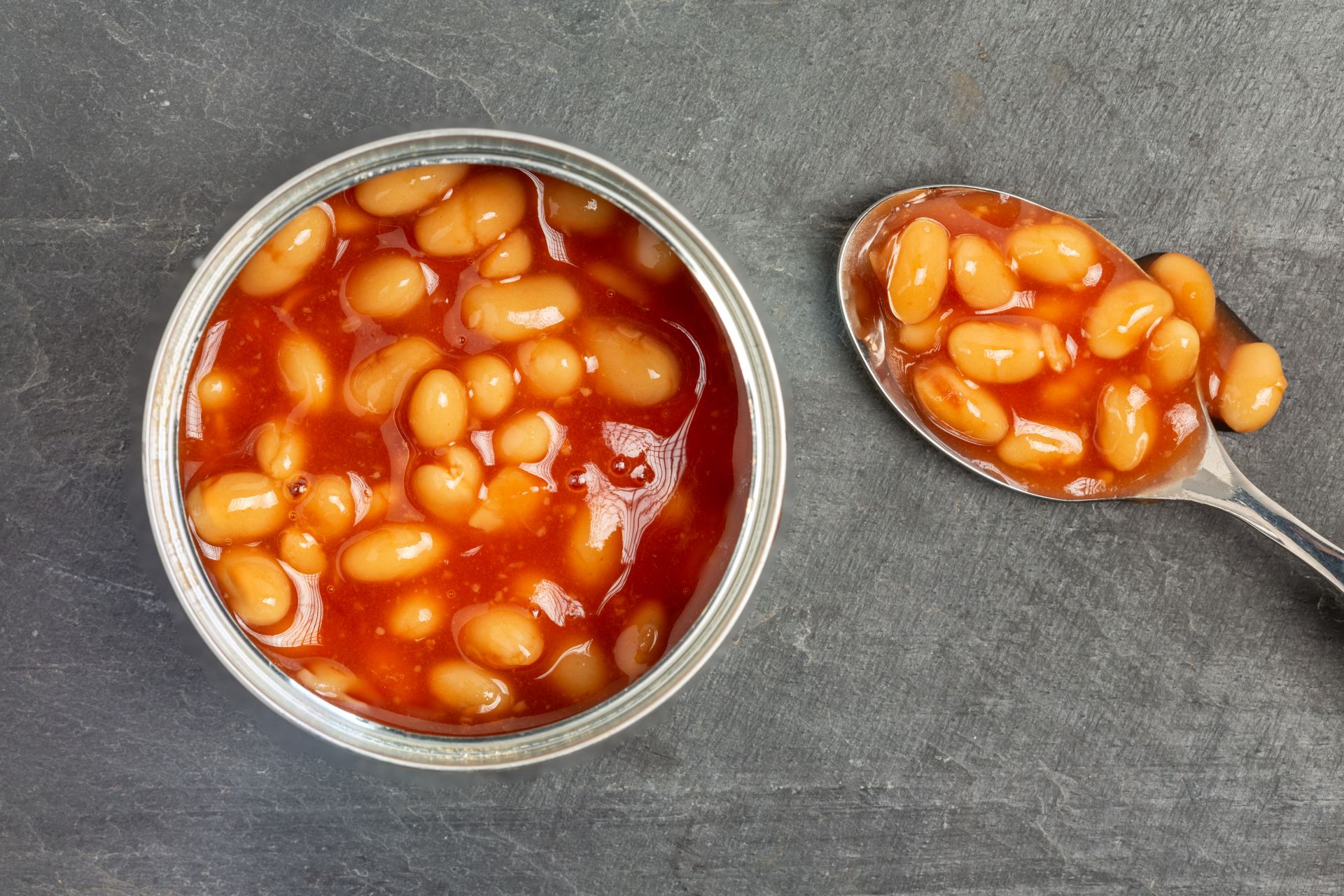
She explained, "People with prediabetes often have high cholesterol and chronic inflammation, which increases the risk of other chronic health issues such as heart disease or type 2 diabetes." She advised that canned, dried, or frozen?any form of beans can be a good starting point for improving health.


The American Heart Association also emphasizes:
"Maintain a balanced diet with beans, vegetables, whole grains, and fruits!"
Additionally, experts recommend adding beans to salads, grain bowls, soups, stews, or using them in various dishes such as hummus, dal, or tacos. They also stress that maintaining a balanced diet including whole grains, fruits, and vegetables, while avoiding excess sugar, sodium, and processed foods, is key to healthy eating habits.
-
Edit Maeng Jiae mjiae@asiae.co.kr
-

Reporter Bang Jeil zeilism@asiae.co.kr
© The Asia Business Daily(www.asiae.co.kr). All rights reserved.