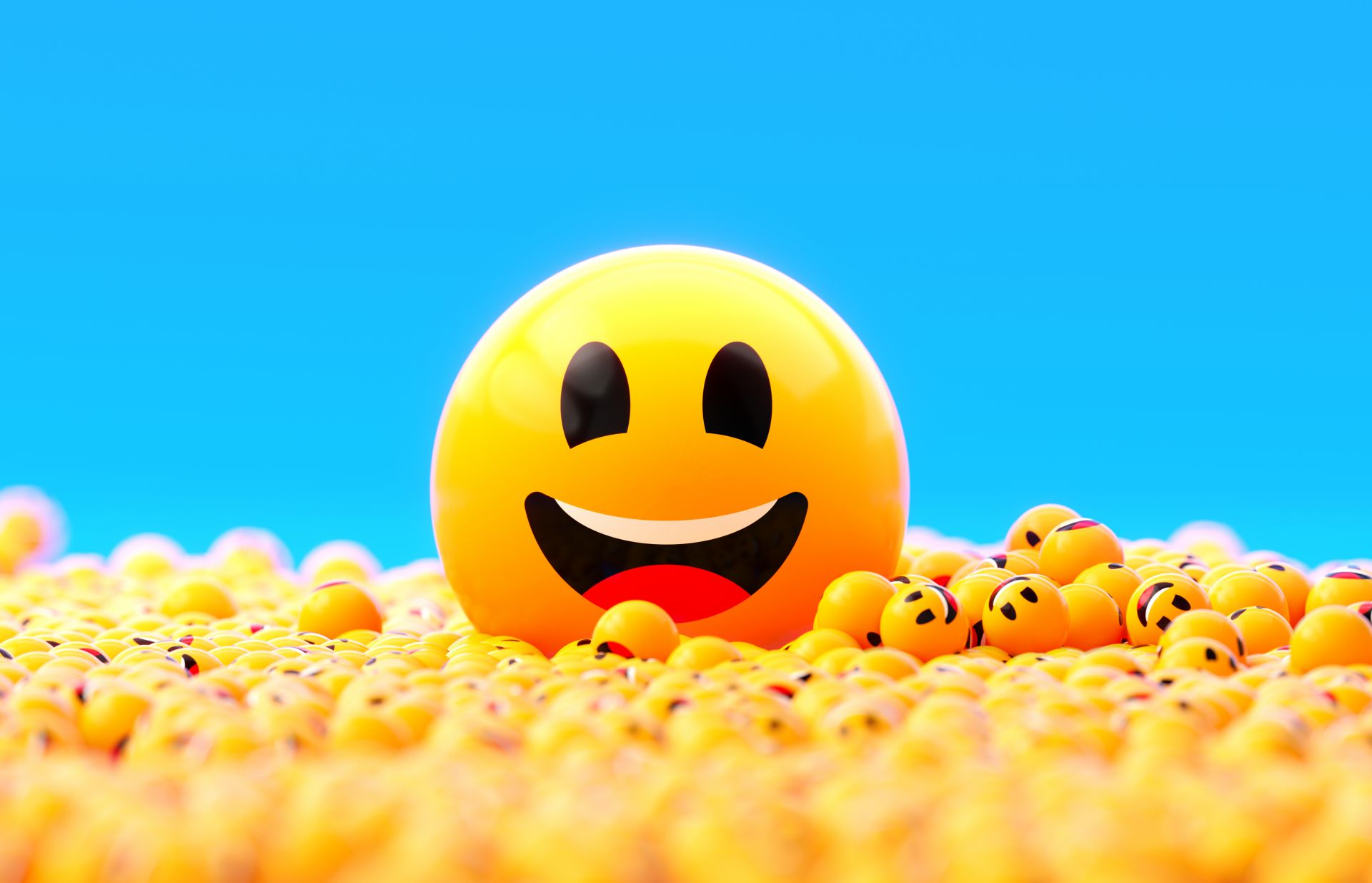
Emoticons we send without any thought.
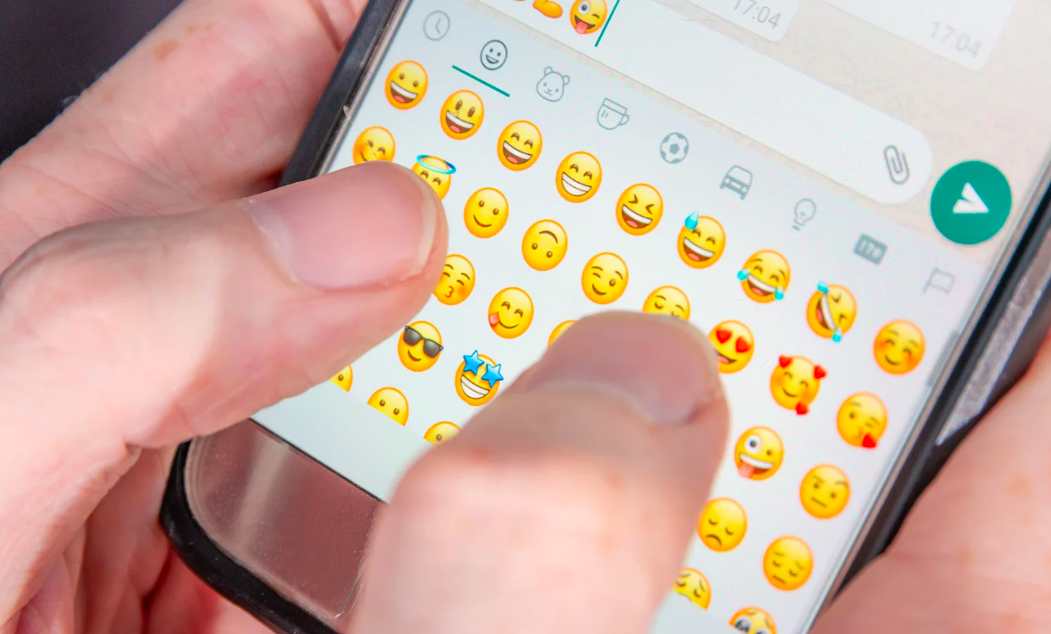
Did you know that Generation Z might perceive them completely differently?
Were you aware of this?
Were you aware of this?
"I sent it to make you feel good..."
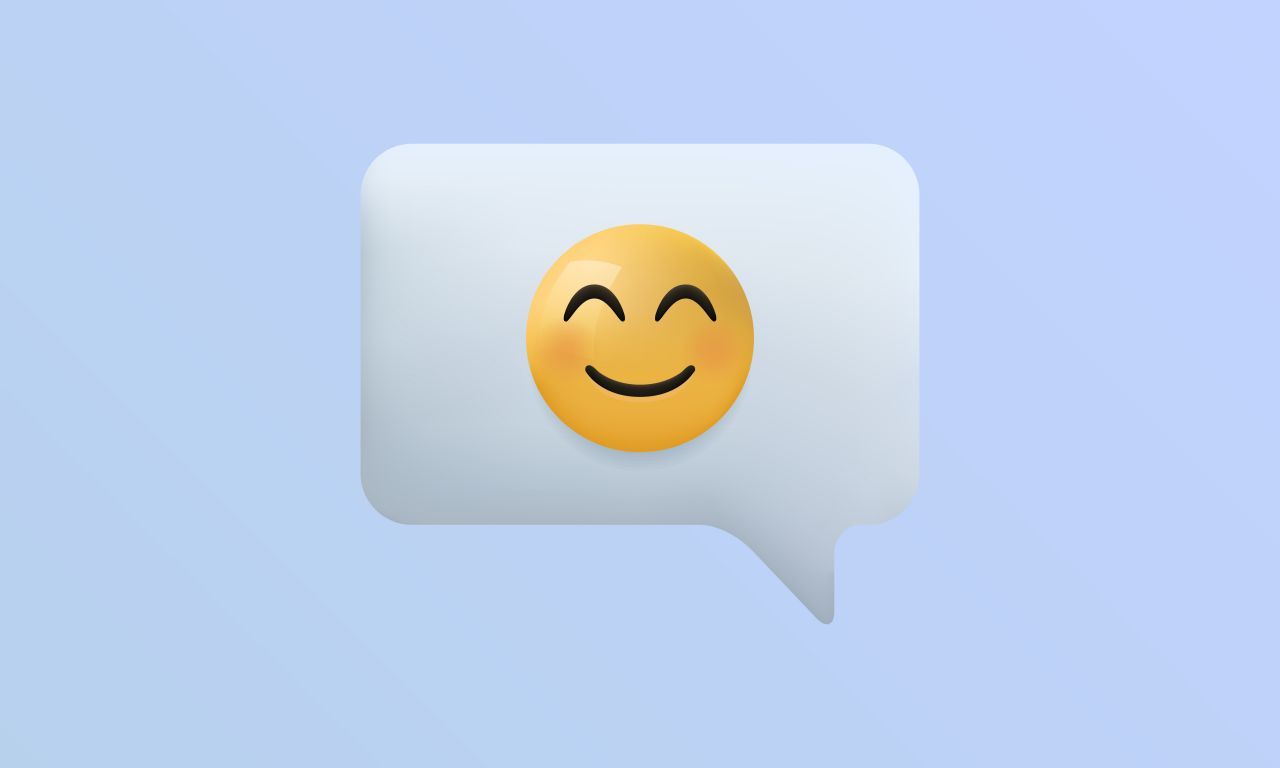
For older generations, the 'smiling face' emoji is interpreted as a purely positive expression, like "I like it!" or "I'm feeling good!"
However, Generation Z (those born between 1997 and 2006) does not interpret it that way.
As a result, a situation may arise where someone smiles sincerely but is misunderstood as being sarcastic.
Recently, foreign media outlets such as the New York Post and the Wall Street Journal (WSJ) have analyzed that
for the 'digital native' generation who grew up with digital technology,
emoticons can have a variety of meanings.

The New York Post pointed out that "the yellow 'smile' has a completely different meaning for those under 30,"
"It is used to dismiss or openly mock the other person,
so sending this emoji could hurt their feelings," it explained.
The WSJ also reported that "people in their 30s use the basic emoticon (the ubiquitous emoji) to mean happiness and positivity,
while among teenagers and those in their early 20s,
it is interpreted as an aggressive sign that the other person is trying to lecture them."

Recent foreign media analyzed that emoticons can have various meanings for the 'digital native' generation who grew up with digital technology. Photo by Getty Images Bank
원본보기 아이콘"I was embarrassed by just one emoji at work"
Hafizat Bishi, a 21-year-old working at a media company in Brooklyn, USA,
said in an interview with the Wall Street Journal (WSJ) that
"when I first joined the company, I received a 'smiling face' emoji from a colleague
and felt ignored."
She added, "Older generations use that emoji simply as a friendly smile,
but Generation Z perceives it as an insincere, superficial smile."
That is why, when she chats with older colleagues,
she uses the smile emoji with a sarcastic meaning.
Why is there such a difference?
Erica Dhawan, author of "Digital Body Language,"
said, "People in their 30s and older take emojis literally,
while Generation Z interprets them by considering context, tone, and timing."

Then how is it best to use it?
A smiling face emoji means positivity to older generations, but to Generation Z, it can be interpreted as sarcasm or dismissal.
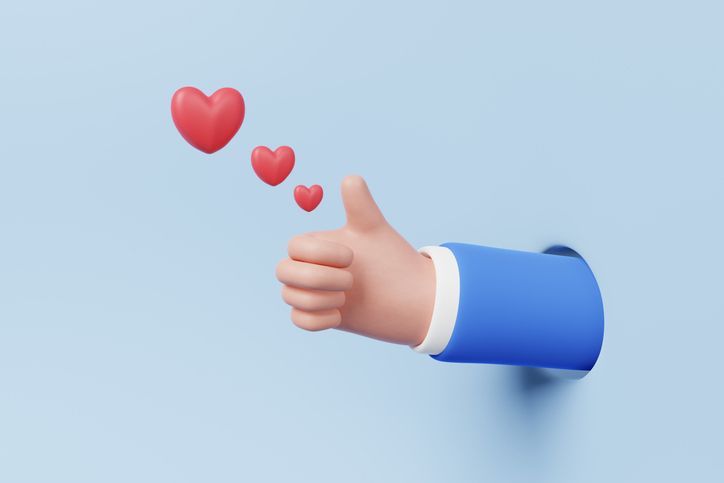
The thumbs-up emoji is usually used to express gratitude or joy, but Generation Z sometimes uses it in a sarcastic tone.
Be careful with sparkle (star) emoticons too! They somehow give off a sneering vibe. The Gen Z is really complicated!
In an era where even a single emoji can cause misunderstandings,
it would be great if we could understand the differences in expression between generations
and gradually become accustomed to each other's ways.
-

Reporter Seo Jiyeong zo2zo2zo2@asiae.co.kr
-
Edit Hur Eunmi eungmimon@asiae.co.kr
© The Asia Business Daily(www.asiae.co.kr). All rights reserved.