
*BTS Jimin
Media value 17 million dollars
Media value 17 million dollars
Sold out
by Lee Yiseul
by Kim Boram
Published 08 May.2025 15:59(KST)
Updated 09 May.2025 07:12(KST)
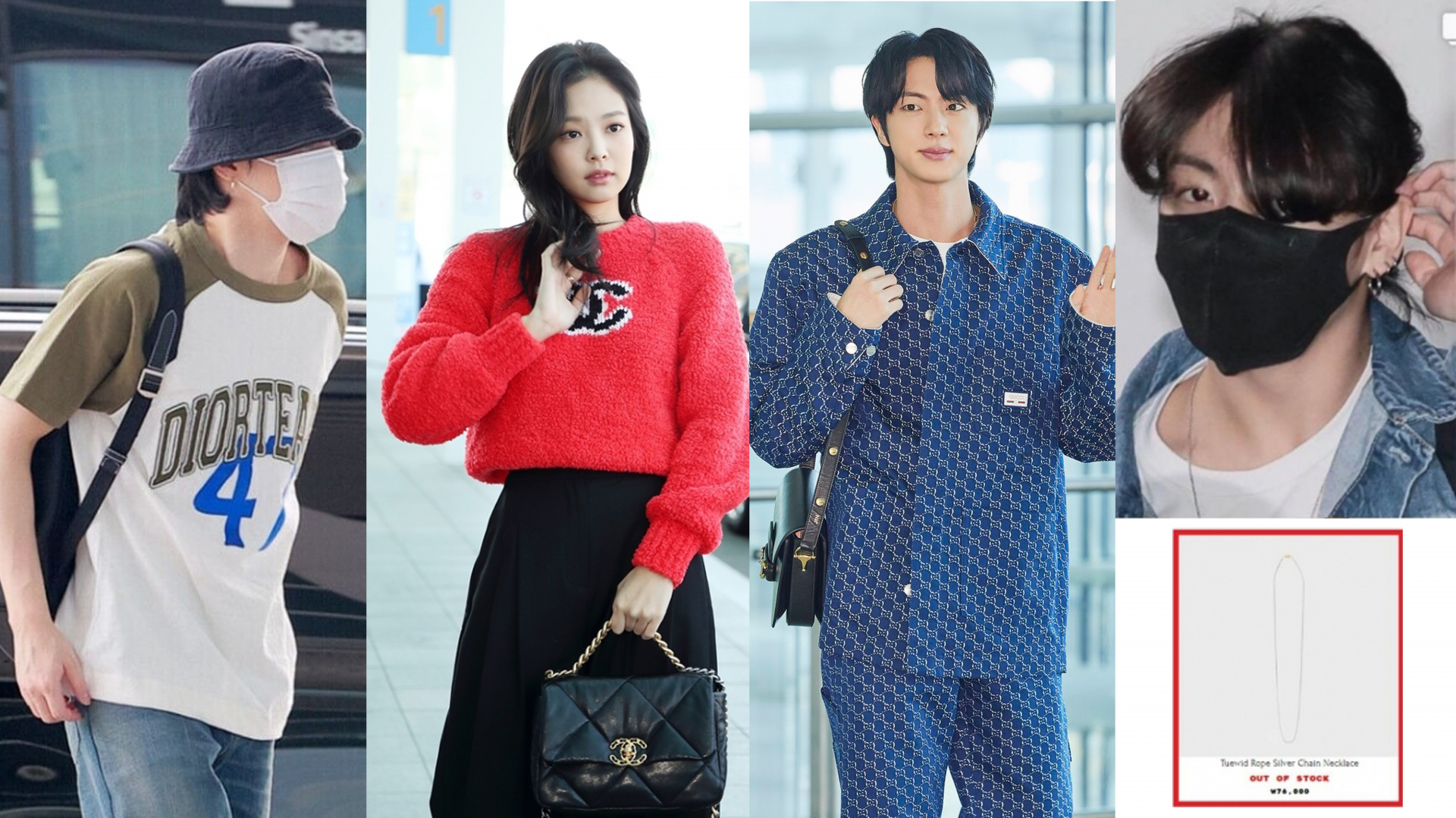
When BTS Jimin appeared at Incheon International Airport to attend Paris Fashion Week in France, hundreds of fans and photographers flocked to the scene. The olive green mini Saddle bag by Dior that he wore was showered with camera flashes and quickly spread worldwide through social media and the press. The response was explosive. The bag Jimin wore sold out immediately, and Dior achieved a record-breaking annual revenue of 1 trillion won in Korea alone. The financial magazine The Economist named this phenomenon 'The Jimin Effect'.
The airport departure route has become a new advertising platform where global brands fiercely compete in marketing. This trend began in earnest in the early 2000s. As K-pop stars' overseas schedules increased, their appearances at airports started to attract attention from fans and the media. In the past, celebrities would simply appear at the airport in their own clothes, but now the airport has been transformed into a marketing space rivaling the runway.
With the spread of social media, brands are now using airport departure scenes as a new advertising channel. The outfits and products worn by stars become hot topics in real time and quickly translate into consumer purchases.
An official in the fashion marketing industry explained, "Stars receive various forms of compensation from brands. Sponsorship contracts include not only luxury clothing and bags as in-kind offerings, but also gift certificates, product gifts, exposure conditions, and a certain appearance fee (travel allowance)." Some top stars even have staff costs covered or generate long-term profits through additional advertising contracts. An official from a major entertainment agency said, "Global ambassador contracts between idols and luxury brands can reach several million dollars," adding, "Fashion exposure at airports is a core element of these contracts and provides significant income for the stars."

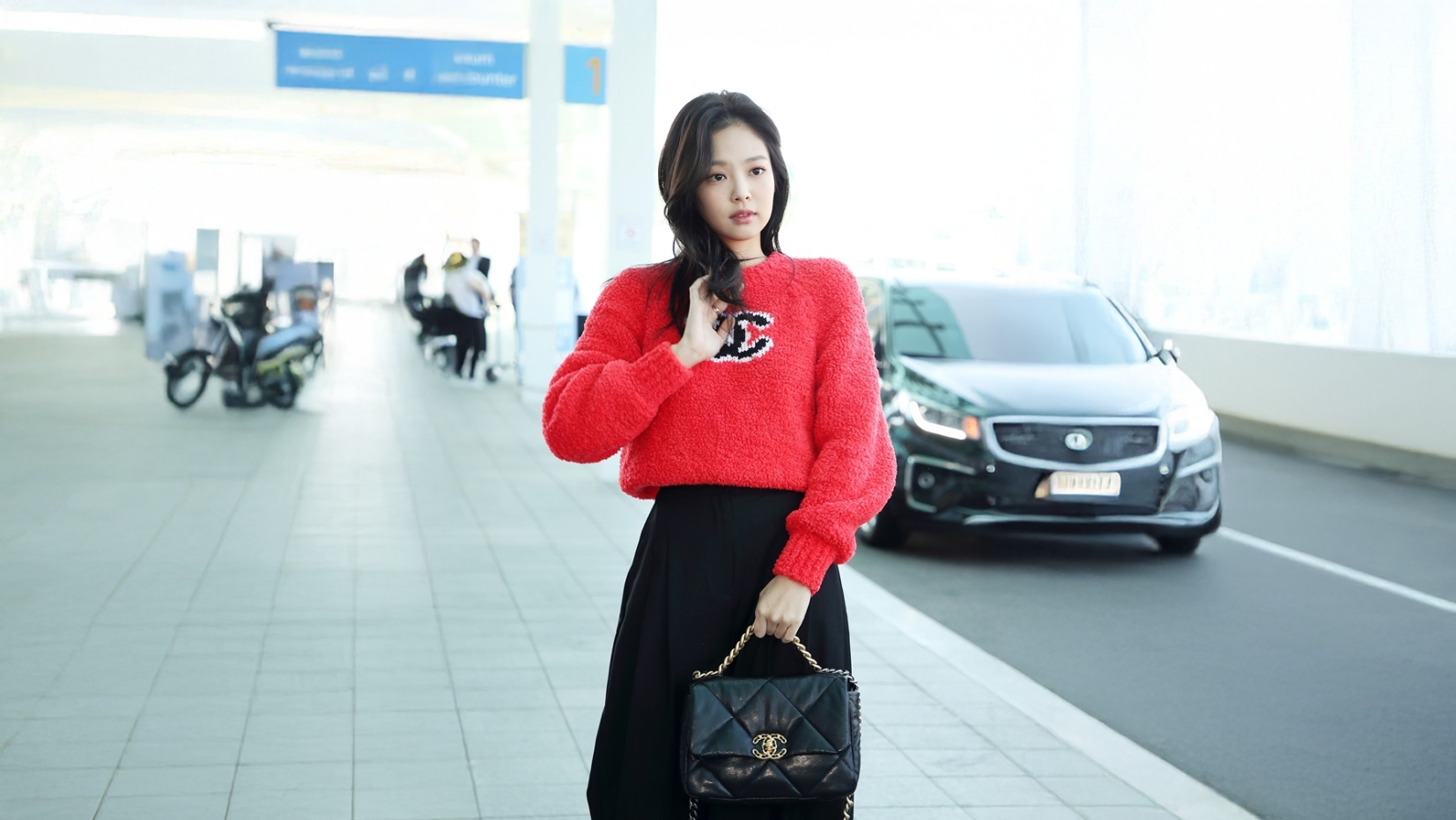
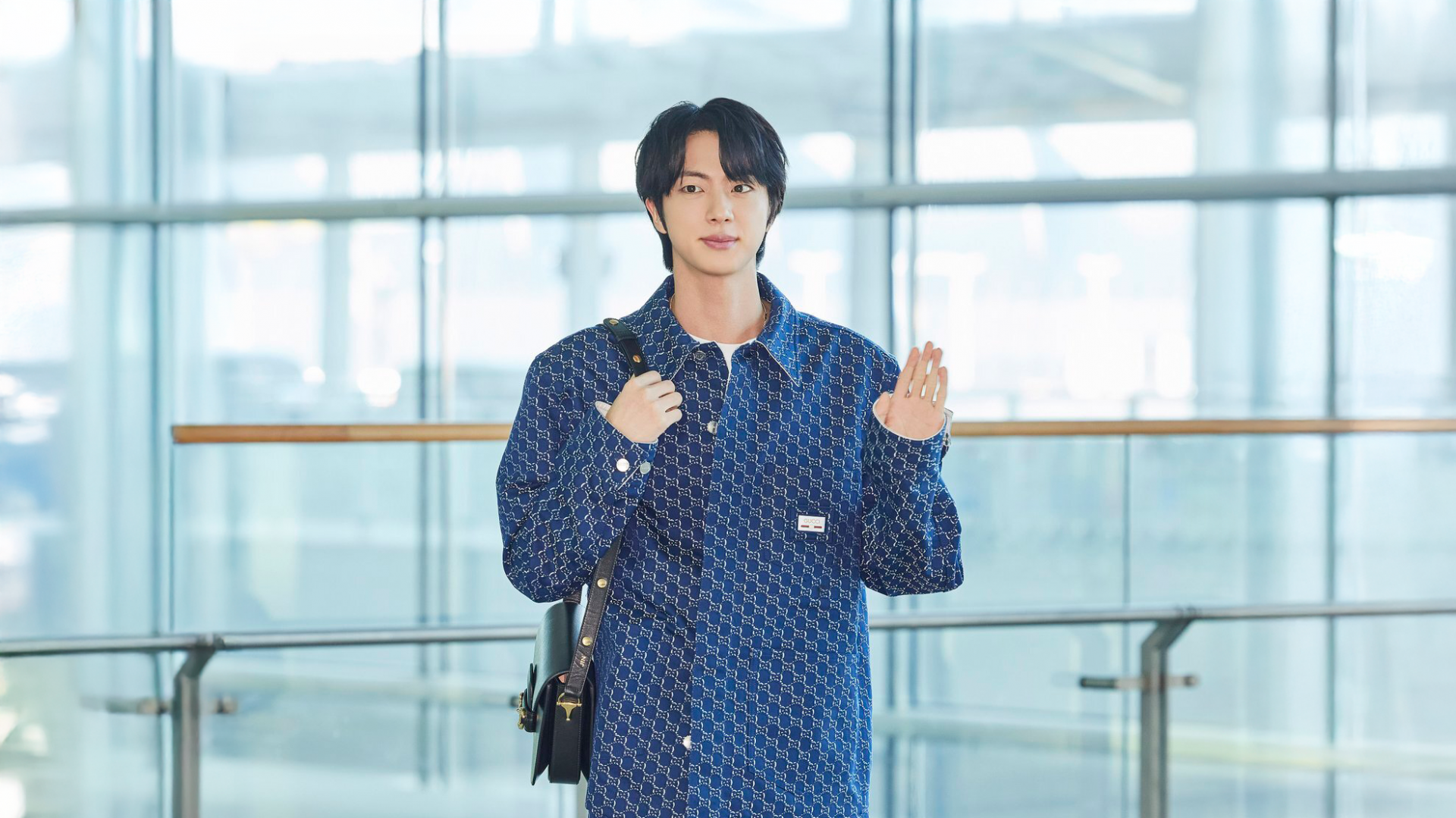
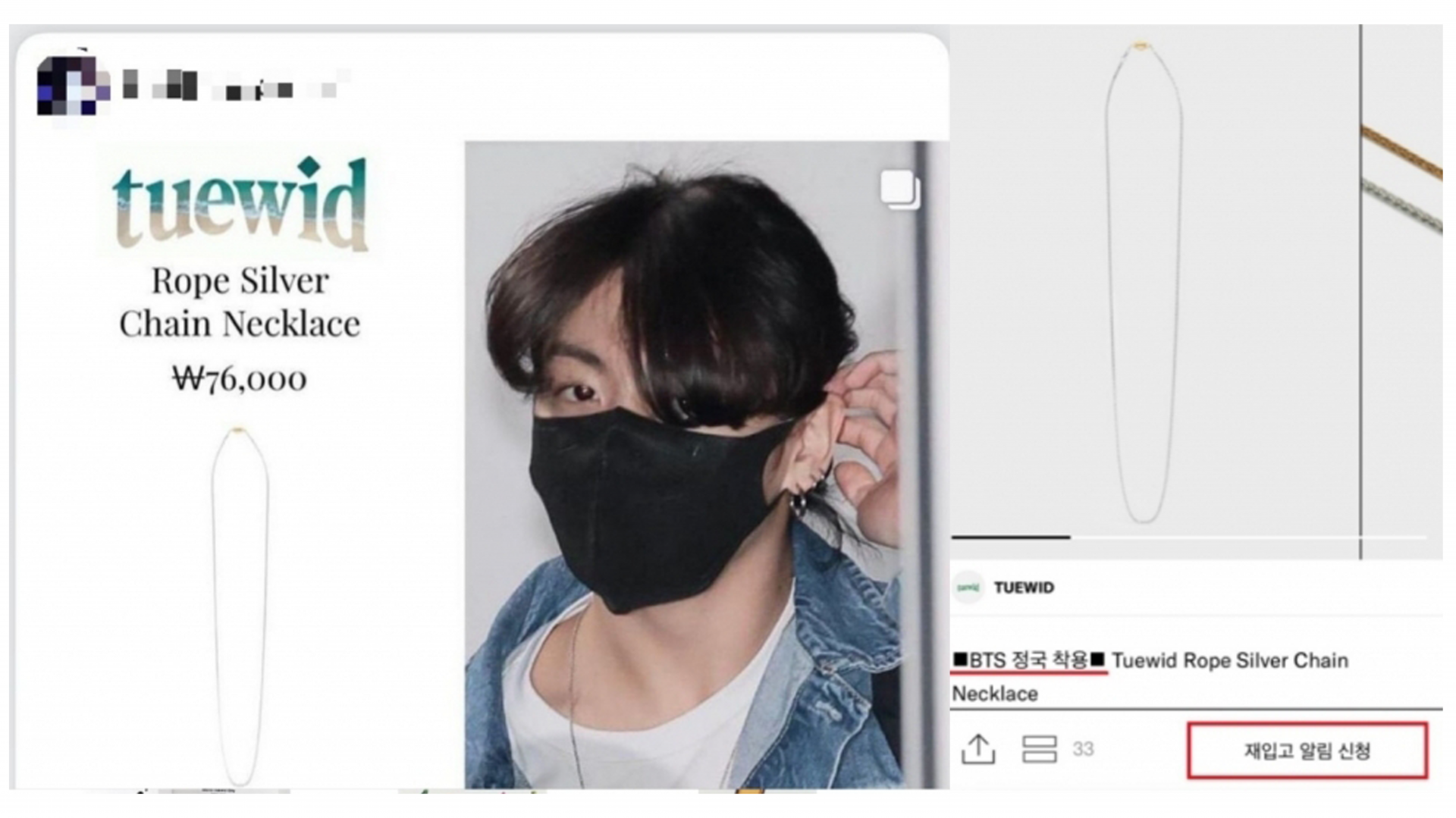
Sold out
Sold out within hours
Sold out within a week
The advertising industry rates the return on investment (ROI) of airport fashion extremely highly. In fact, Jimin generated about 17 million dollars (approximately 2.39 billion won) in media value from just two social media posts in collaboration with Dior. BLACKPINK Jennie also created about 6.9 million dollars (970 million won) in advertising effect through her collaboration with Chanel. In 2023, Chanel's global marketing budget reached 2.463 billion dollars (about 3.47 trillion won), and content marketing with K-pop stars is said to be maximizing the return on investment while strengthening the 'young luxury' image.
Korea is becoming an increasingly important market for global luxury brands. Chanel Korea's 2023 revenue of 1.7 trillion won accounted for about 7-8% of Chanel's global sales, making Korea the number one country in terms of single-country sales for Chanel. For LVMH, which owns Louis Vuitton and Dior, the share of sales from Asia (excluding Japan) is about 30%, the largest region, and within this, Korea is a key market. Prada's Asia-Pacific sales in 2021 increased by 29% compared to the previous year, with 90% of that growth coming from Korea. As the size and growth rate of the Korean luxury market have expanded noticeably over the past five years, Korea's share of global brand sales has also risen significantly.
According to the Korea Fashion Industry Association, the size of the luxury brand sponsorship market related to airport fashion grew by about 40% from 2022 to 2024. At the center of this is the K-pop star. In February this year, the Gucci jacket, pants, and bag worn by BTS Jin at Incheon Airport sold out within hours on the official US website, and the silver necklace priced at around 60,000 won worn by Jungkook in April last year also sold out completely within a week.
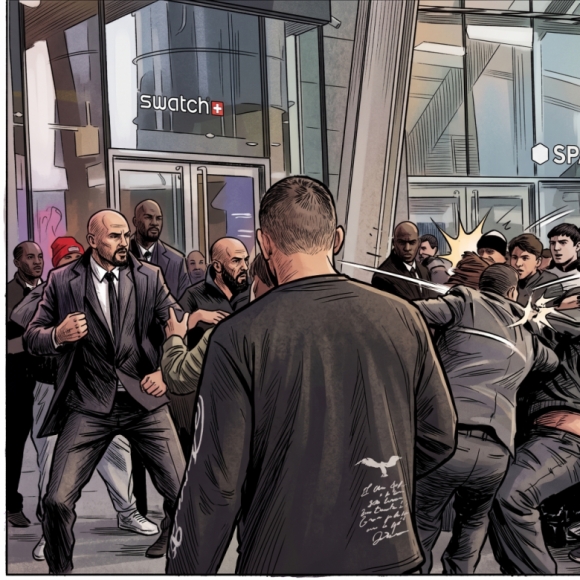
While K-pop stars' airport departures have become a new economic platform changing the landscape of the global fashion industry, beneath the glamour, safety and order remain unresolved challenges. Recently, at one star's arrival scene, hundreds of fans gathered, resulting in people falling and raising concerns about the risk of a crowd crush. Some agencies are attempting to switch to undisclosed filming schedules or pursue quiet arrivals and departures, but in reality, there are limits. An official from a major agency said, "We try to minimize the exposure of departure schedules through coordination with all stakeholders, but since 'homma' (fansite masters) find out the schedules and flock to the site, complete confidentiality is virtually impossible."
There are also calls for entertainment agencies to take responsibility and make efforts from a long-term perspective. Kim Heonsik, a pop culture critic, emphasized, "Entertainment agencies should not be fixated only on immediate profits or fandom reactions, but should guide stars in the right direction," adding, "They need to consider the intrinsic value of content and strategies for a sustainable cultural entertainment industry." He continued, "It is also necessary to think about how singers or actors from a country where chaos at airport departure halls is repeatedly reported are perceived overseas," and pointed out, "To be recognized on international stages like the Grammy Awards, it is time to focus on the essence and sustainability of K-content, rather than obsessing over music chart rankings or airport fashion buzz."

Lee Yiseul ssmoly6@asiae.co.kr
Kim Boram kbram6457@asiae.co.kr
© The Asia Business Daily(www.asiae.co.kr). All rights reserved.



![Perilous Celebrity Departures: Is This Chaos Acceptable? [K-Star Departure Wars ①]](https://cwcontent.asiae.co.kr/asiaresize/251/2025042520153336021_1745579732.png)
![Emperor-level Security or Star Privilege? The Real Issue Is 'Homma People' [K-Star Departure Wars ②]](https://cwcontent.asiae.co.kr/asiaresize/251/2025012408313312125_1737675093.jpg)