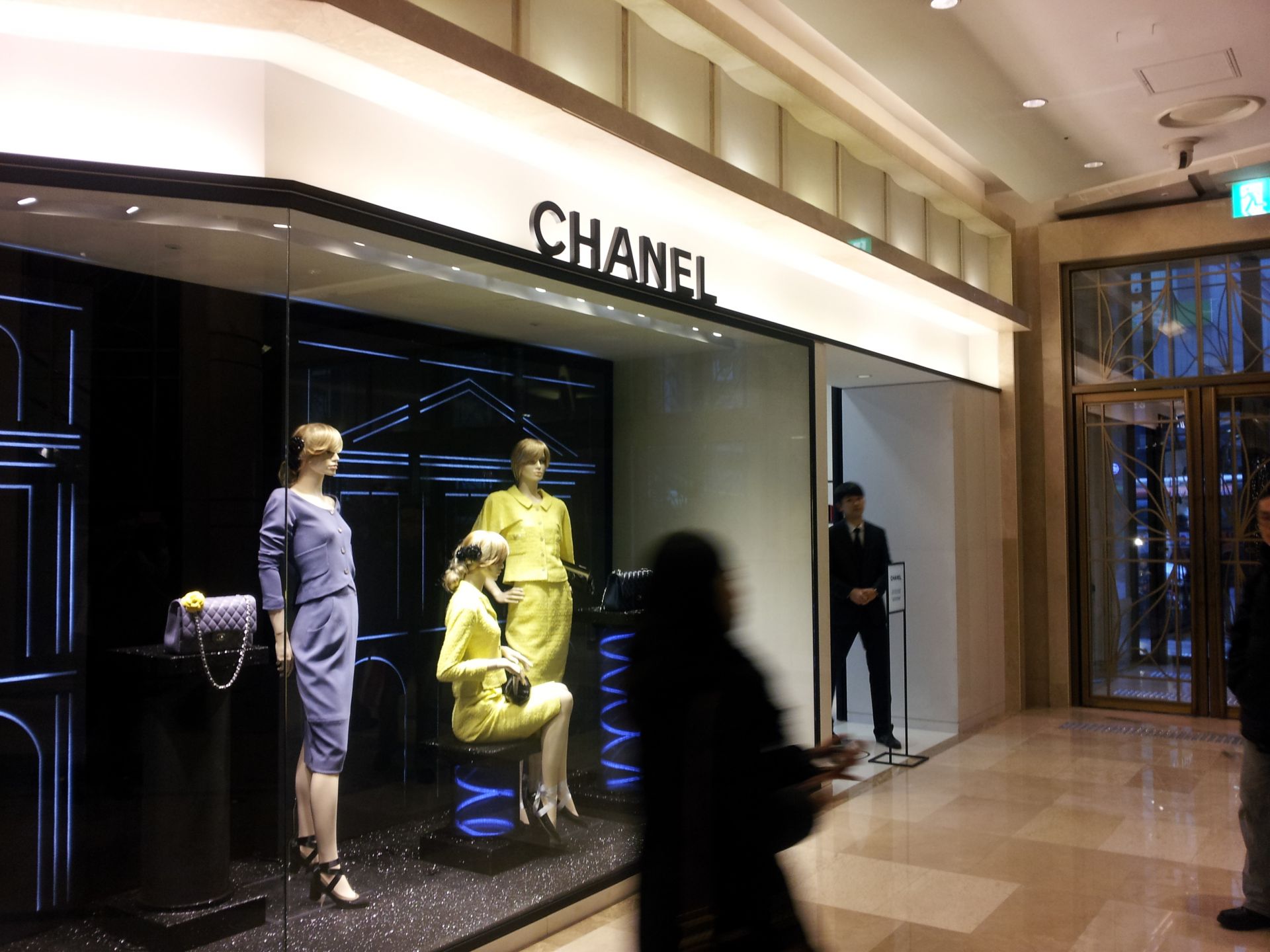

During the COVID-19 pandemic, luxury consumption surged due to 'revenge spending,' leading to a boom in the industry. However, as the Chinese economy slowed and middle-class customers tightened their wallets, the luxury market entered a slump. The situation worsened further with President Trump's trade war.
Expectations for a recovery in the luxury goods market this year have been dampened by the trade war initiated by U.S. President Donald Trump. As the economic downturn in China becomes prolonged, it is predicted that demand for luxury goods in the U.S. will continue to decrease due to tariffs.
Ongoing Decline in Demand Due to U.S.-Imposed Tariffs... 2% Drop in Sales Expected
According to the Financial Times (FT) on the 13th (local time), Bernstein recently forecasted that sales in the luxury goods industry will decrease by 2% this year due to increased economic uncertainty and the rising possibility of a global recession. This overturns the previous growth forecast of 5%.
This Was the Recovery We Hoped For... Is It Being Delayed?

An employee of Louis Vuitton is working on manufacturing a Louis Vuitton trunk in Paris, France. Photo by Reuters and Yonhap News.
원본보기 아이콘An industry insider stated, "Our base scenario now is that the recovery of the luxury market will be delayed until 2026." FT diagnosed that the trade retaliation between the U.S. and China could seriously undermine consumer confidence in both of the largest luxury-consuming countries.
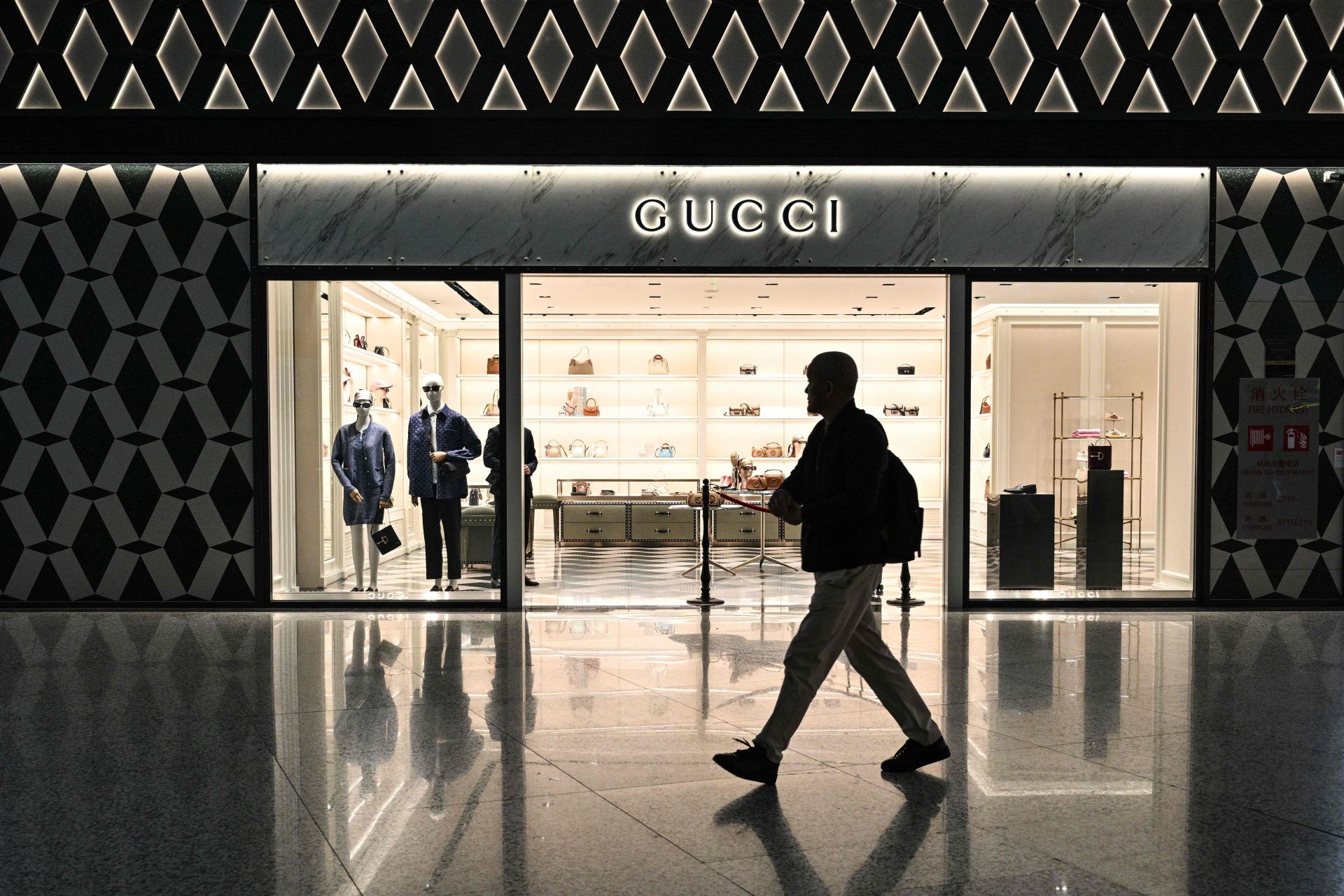
On March 6, 2025, a Gucci store is seen at Jiangbei International Airport in Chongqing, southwestern China. Photo by AFP Yonhap News
Luxury companies are less sensitive to the direct impact of tariffs than other companies. Thanks to their strong brands, they can mitigate the effects of tariffs through price increases. However, FT pointed out that the damage to consumer sentiment is more significant.
Most luxury goods are produced in European countries such as France and Italy. High-end watches are mainly made in Switzerland. President Trump announced on the 2nd that he would impose reciprocal tariffs of 20% on the European Union (EU) and 31% on Switzerland, but later decided to postpone them for 90 days. Nevertheless, Bernstein and others are maintaining their outlook for a decline in the luxury sector’s performance this year.
Tariff Rate Changed Three Times in a Week... "Toxic to Consumer Sentiment"
The industry is concerned that President Trump’s actions are causing confusion. An executive at a luxury company said that within less than a week, they had to change the tariff rate on U.S. exports three times, adding, "Loss of trust lasts a long time, and uncertainty is absolutely toxic to consumer sentiment."
Erwan Rambourg, an executive at HSBC, said, "The number of champagne bottles popped this year will literally decrease." HSBC initially expected the organic sales of the luxury industry to increase by 5% compared to 2024, but now predicts stagnation. At the end of last year, they raised their investment opinion on luxury stocks, anticipating an increase in luxury consumption led by the U.S., but have since reversed that view.
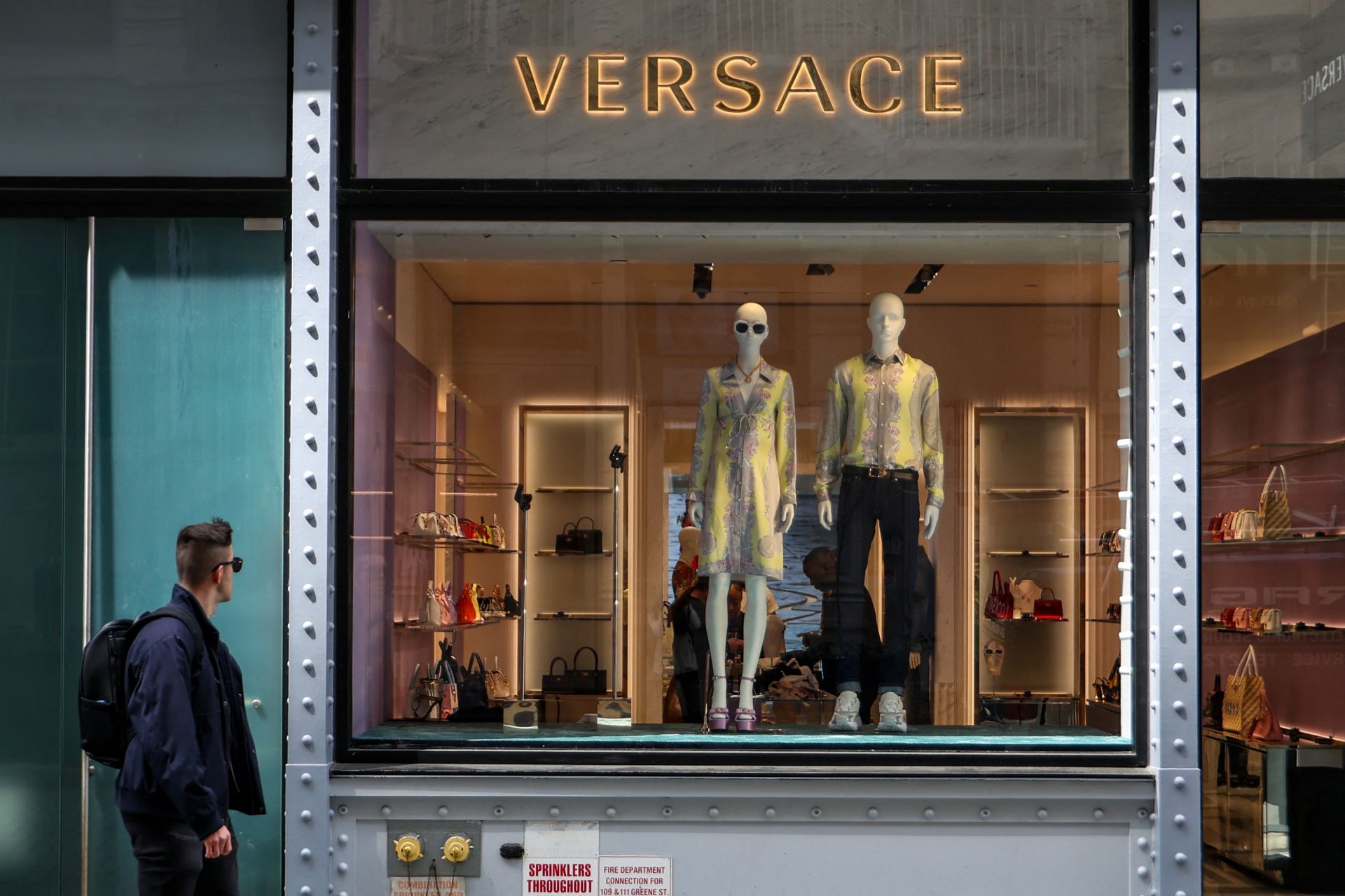
On the 10th, Prada announced that it had acquired Versace for 1.25 billion euros (approximately 2.0318 trillion KRW). Initially, the sale was expected to be around 1.6 billion dollars (approximately 2.2859 trillion KRW), but the price reportedly dropped at the last minute due to market confusion caused by mutual tariffs.
A man is passing by the Versace store in New York, USA. Photo by Reuters Yonhap News
Some in the industry are hopeful about Bernard Arnault, chairman of Louis Vuitton Moet Hennessy (LVMH), who has had a long-standing relationship with President Trump. Arnault attended President Trump’s inauguration in January and stated that there was an optimistic atmosphere across the U.S., adding that LVMH was considering expanding production in the country. The industry hopes that Arnault will be able to use his connections with President Trump to negotiate tariffs.
However, Barclays predicts that the organic sales of LVMH’s fashion and leather goods division, considered a key indicator for the luxury industry, will decrease by 1% in the first quarter. While Herm?s is expected to see an 8% increase in first-quarter sales, Kering’s largest brand, Gucci, is expected to see a 25% decline in first-quarter sales.
-

Reporter Oh Suyon syoh@asiae.co.kr
-
Edit Kim Yumi ymkim91@asiae.co.kr
© The Asia Business Daily(www.asiae.co.kr). All rights reserved.


![[Culture Interview] "Unifying the Fragmented Music Market... Super Fans Are the Next Competitive Edge"](https://cwcontent.asiae.co.kr/asiaresize/304/2026042817051344090_1777363513.jpg)