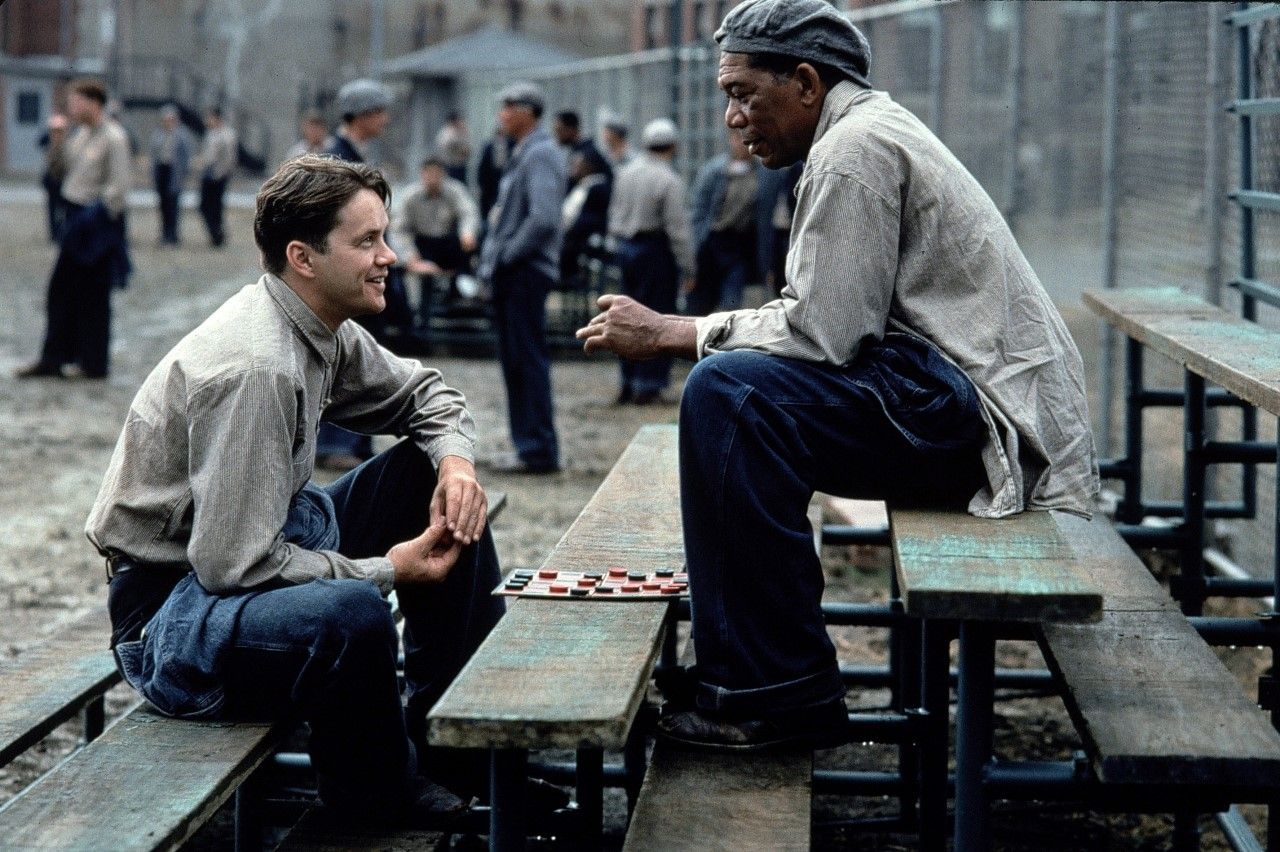
The movie 'The Shawshank Redemption' features two characters, Brooks and Red, who committed crimes in their childhood and spent over 40 to 50 years in prison. Brooks, about to be released on parole, deliberately threatens a fellow inmate with a knife, saying he wants to stay here. For him, prison is a place where he can spend his old age with family-like companions without worrying about food and shelter. On the other hand, Red goes to meet a fellow inmate who escaped after being paroled. After release, Brooks and Red, who found jobs, stayed in the same lodging. Brooks wrote "BROOKS WAS HERE" on the ceiling wall of the lodging and ended his life. Red, deciding to meet his friend in violation of parole rules, leaves another message next to Brooks's writing: "SO WAS RED."
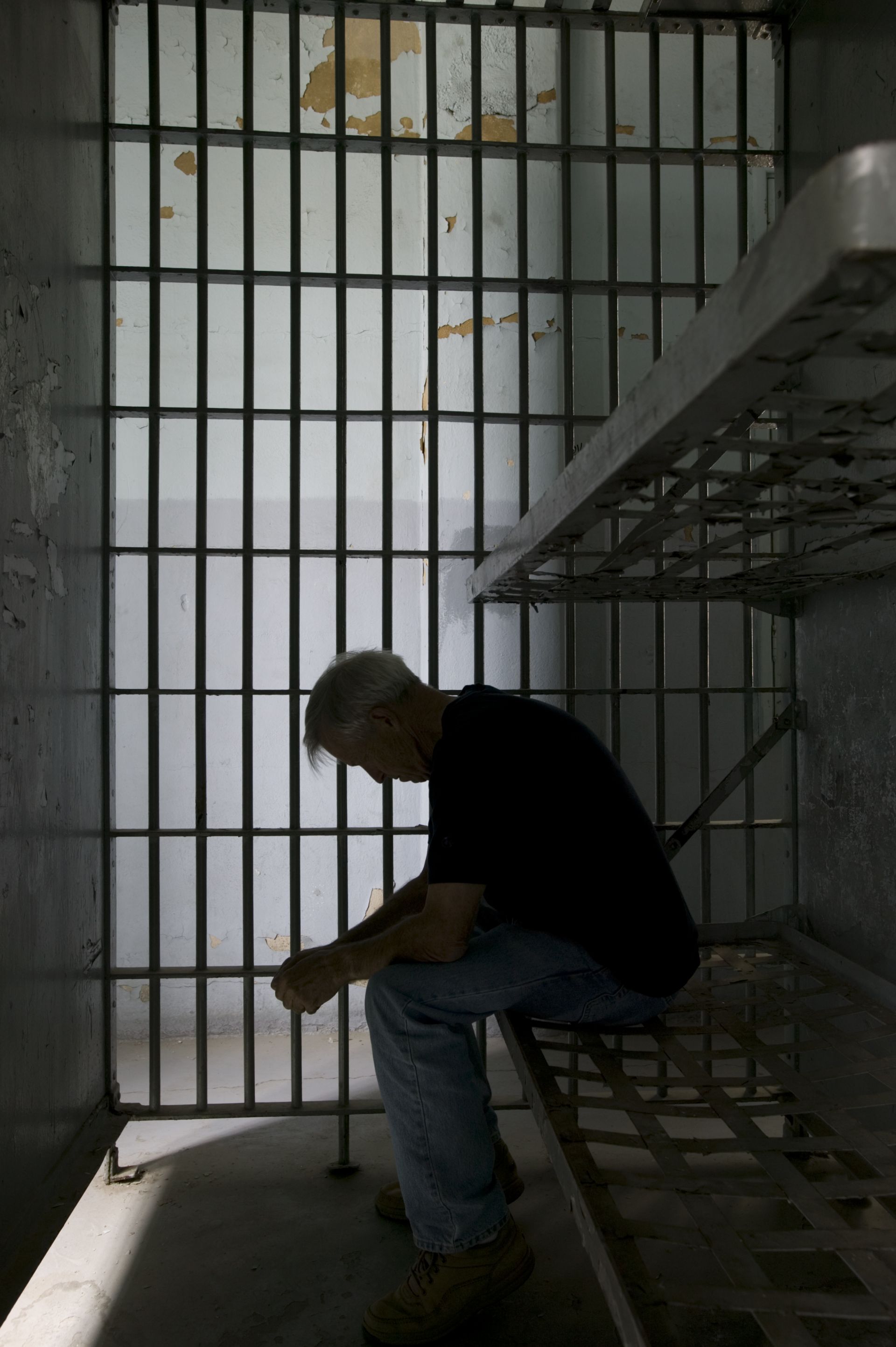
A 76-year-old man was paroled but became homeless when he ran out of money. After being arrested for stealing a single can of coffee, he said, "If I go to prison, I can sleep, eat, and work," and admitted he hoped to be arrested. A 76-year-old single woman had never committed a crime and lived an ordinary life, but after her parents died, she felt lonely. Despite not suffering from any particular financial hardship, she repeatedly stole items from stores and was caught by the police. She said, "There is no one to take care of me." A 75-year-old woman lived alone after her spouse passed away. Wanting to save her pension, she repeatedly committed theft and was eventually arrested.
One in Five Criminals in Japan is Elderly... Two Out of Three Are Thieves
These are cases of elderly crime featured in the 2018 White Paper on Police by the National Police Agency of Japan. According to statistics from the National Police Agency, 183,269 people were arrested for various crimes last year. Of these, 41,099 were aged 65 or older, accounting for 22.4%. Although this figure peaked at 23.6% in 2022 and has been declining, one in five criminals is elderly, and two out of three are involved in theft. Among elderly individuals (65 and older) arrested for theft, the number was 28,017, with 20,201 caught for petty theft. By age group, those in their 70s numbered 10,000, and those aged 80 or older reached 5,500, surpassing those in their 60s. As of 2022, among inmates in Japan (14,460 people), those aged 65 or older numbered about 2,000, making up 14.0%. This figure was 3% twenty years ago, rising to 8.8% in 2012 and surpassing 10% in 2014, showing an upward trend. The admission rate for elderly women is 21.4%, higher than that of men.

Bags and other belongings were lined up along the roadside in front of Tapgol Park to hold a place in line for free meals. Photo by Heo Younghan
원본보기 아이콘No Money, Lonely, and Sick... Voluntarily Choosing Prison
In most countries, elderly inmates are designated as requiring special protection. Taking into account age and health, they are provided with food, clothing, bedding, and other daily necessities as needed. If they have difficulty moving and bathing, correctional officers or volunteers assist them. Medical treatment is provided when they are ill. Last month, CNN in the US analyzed the situation of elderly inmates in Japan and reported that more elderly people are choosing prison as a way to resolve issues such as loneliness, economic poverty, and deteriorating health. Elderly people, once primarily seen as crime victims, are now increasingly becoming perpetrators as society ages. Japanese police also analyzed that elderly offenders "tend to live alone, feel lonely, are disconnected from relatives for long periods, and feel marginalized and discriminated against by society," adding, "Their motives are not only economic but also influenced by psychological factors such as loneliness and isolation."
Korea Ranks First in Elderly Poverty and Suicide... Elderly Crime Also on the Rise
The elderly were once the main victims of crime, but recently, they are increasingly becoming perpetrators. This is due to hardship, loneliness, and lack of support. As of 2020, Korea's elderly poverty rate was 40.4%, and the suicide rate per 100,000 people was 42.2 in 2021. Both figures are the highest among OECD member countries. Elderly crime is also increasing. According to crime statistics from the National Police Agency, among those arrested for theft in 2023 (100,526 people), 30,921 (30.8%) were aged 61 or older. The proportion was 26.6% for men and 40.3% for women. This means that three out of ten thieves are aged 60 or older, with more men than women. Notably, petty theft involving losses of less than 1 million won (similar to petty theft in Japan) accounted for 75.8% of theft crimes.

A cooling fogger is operating in a small room village in Seoul in midsummer. Photo by Jo Yongjun
원본보기 아이콘As seen in the Japanese cases, elderly crime is closely related to elderly poverty, job insecurity, deteriorating family relationships, social isolation, and housing conditions. As these problems worsen, the elderly crime rate is bound to increase further. Legal and institutional reforms, such as extending the retirement age, pension and healthcare reform, and raising the age standard for the elderly, need to be accelerated. In addition, if you have elderly family members or relatives, frequent communication and creating a culture of care and consideration for the elderly around you is the first step to reducing elderly crime. It is an effort to prevent crime victimization and eliminate the factors that lead to offending.
The Letter That Decided the Fate of Brooks and Red in The Shawshank Redemption
IndexCuriosity Research Institute
- Elderly Voluntarily Heading to Prison... Why Is South Korea No. 1 in Elderly Poverty?