[Turning My Home into a Senior House] ① Even When Old or Sick, I Want to Live in My Own Home
In-home services such as medical visits, meals, cleaning, and home repairs are needed
Seniors' homes should become spaces for both living and welfare
Is there any place as comfortable as one's own home? This feeling becomes even stronger with age. The furniture worn by years of use, the dishes used at every meal, the neighborhood where every alley is familiar, and family and friends who can be seen whenever desired?all these make people want to stay in their familiar homes as they approach the final chapter of life.


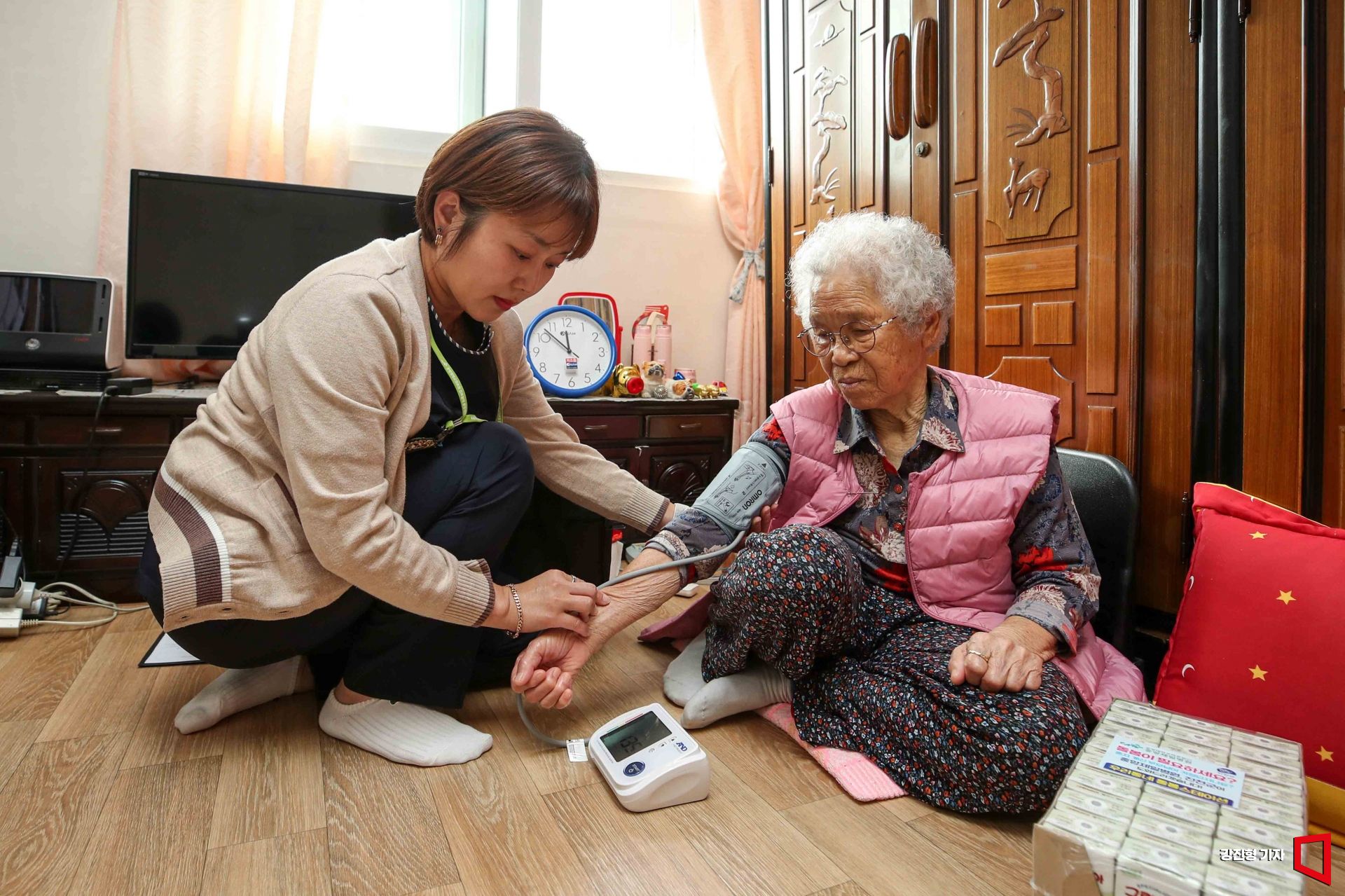
This attachment is also reflected in statistics. According to the "2023 Senior Survey" released by the Ministry of Health and Welfare in October last year, 9 out of 10 seniors wanted to stay in their own homes as long as their health allowed. Even if their health declined, 5 out of 10 still wished to continue living at home. This means that, rather than living in a facility where you must eat even if you're not hungry, lie down even if you can't sleep, and need someone to open the door to go outside, "my own home is best, even if I'm sick." However, there is a prerequisite. Services such as in-home medical care, daily living support like cleaning, meals, and laundry, and home repair must be available. More than 50% of seniors responded that these services are necessary.


In the 1990s, it was common for seniors to age and pass away at home, cared for by their children. However, after the introduction of the long-term care insurance system in 2008, the number of nursing hospitals and facilities increased, and more seniors began leaving their homes. Now, most seniors are forced into "dying in a hospital" situations, contrary to the life they desire.
Regaining the "right to close one's eyes at home" is not impossible. Just look at Japan, where "community-based integrated care"?providing medical and care services directly to seniors' homes?has taken root. As of 2022, 17% of deaths in Japan occurred at home, a number that has increased every year since 2016 (13%). The simple yet desperate wish to "grow old in my own home, receive proper care, and live near familiar people" is the central theme of Asia Economy's new series "Turning My Home into a Senior House," which begins on the 10th.

"Turning My Home into a Senior House" is a proposal to transform seniors' living spaces into welfare spaces. Seniors' homes should not just be places to stay, but sanctuaries that improve quality of life. Home visit care services for those with limited mobility, daycare centers located within apartment complexes, senior centers where lunch is served five days a week, moving to a smaller, more comfortable home and using the difference as retirement funds, and creating an environment where a fall in the living room can be quickly detected without major expenses?these are all ways to turn "my home into a senior house."
From October to December last year, we gathered the voices of seniors living at home, care experts, public officials, medical staff, and real estate professionals both domestically and abroad. We thoroughly examined not only Korea but also the situation in Japan. This series is a follow-up to our "The Era of Senior Houses Is Coming" coverage from May last year. At that time, we highlighted the polarization in Korea's senior housing market?between the ultra-wealthy and basic livelihood recipients?and discussed housing solutions for middle-class seniors.


IndexTurning My Home into a Senior House
- "I Want to Live in My Own Home Until the End"... Seeking the Right to Age and Die at Home
- "Can I Live Alone? That's My Worry... What You Need to Stay at Home Until 100"
- ¡°There¡¯s No Such Thing as a Free Lunch¡±: Wealthy and Highly Educated Seniors Are Coming
- "No One Is Healthy. Just Wait Until Professor Itmom Comes Home"
- "Doctor, I¡¯d be happy to pay if you could visit my home again"
- "I Felt Lost After Discharge... The Home Caregiver Saved Me Again, Ju"
- "If You Plug the Care Plug in Your Living Room... You Can Feel Secure Even Living Alone"
- "I Don't Want a Nursing Home... To Live in My Own House, I Must Avoid Dementia"
- "It's Hard to Go Out... Fitness Instructor Comes to Your Home"
- Do You Go to Senior Centers?... Come to the 'Rochiwon' Instead
- To Feel Safe Enough to Close My Eyes at Home, These Changes Are Necessary
- "It's My Neighborhood, but I'm 200th on the Waiting List"... Local Nursing Homes More Competitive Than Housing Subscriptions
- Turning Closed Schools into Nursing Homes... Why Aren't There Schools for Seniors?
- Today, Father Went Out Through the Wall, Not the Door, Again
- Senior Centers Providing Lunch: Is the Budget Only 70,000 Won for 30 People per Meal?
- Preparing for Retirement by Moving to a Smaller Home... "The Key Issue Is the Tax Burden"
- A Home in Old Age That Resembles Its Owner's Face
-
Reporter Sim NaYoung sny@asiae.co.kr
-
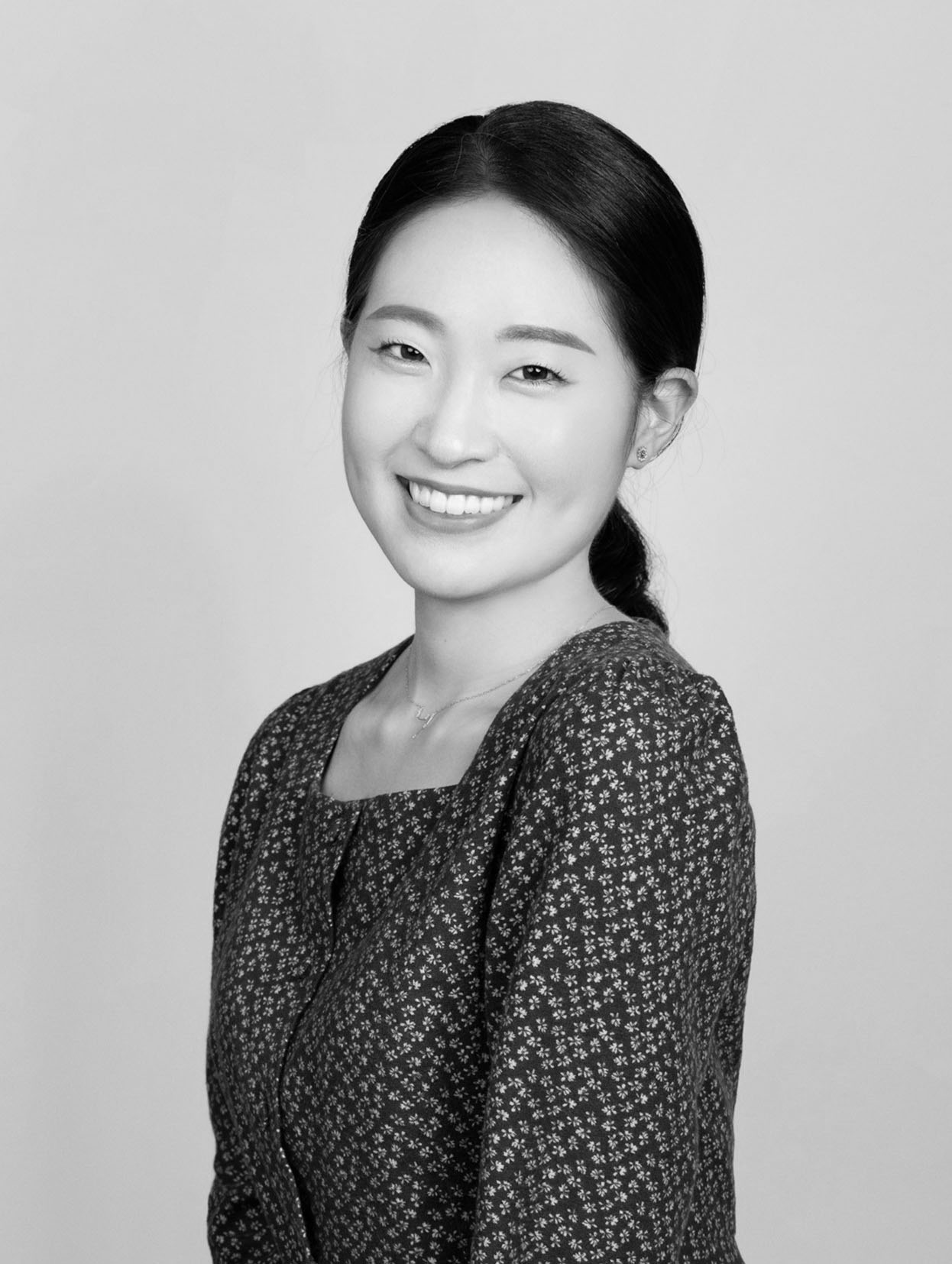
Reporter Park Eugenie genie@asiae.co.kr
-

Reporter Kang Jinhyoung aymsdream@asiae.co.kr
-
Edit Hong Jayeon hongzaa@asiae.co.kr
© The Asia Business Daily(www.asiae.co.kr). All rights reserved.

![[Exclusive] "Looking Beyond Financial Statements for Future Value"... IBK Injects 170 Billion Won into 72 Innovative Companies](https://cwcontent.asiae.co.kr/asiaresize/304/2026011314545989464_1768283699.jpg)