Three years ago, the so-called 'caregiver murder' case, in which a 22-year-old young man was driven to poverty and caregiving labor and caused his father's death, ended with the political slogan of rushing to enact support laws becoming empty words. Instead, local governments stepped in, naming young people caring for elderly or sick family members as 'family care youth' and promising support policies, but children who did not meet the age criteria for support were left in blind spots. Hoping that no more children will be left without care due to caregiving burdens, this [Caregiving Youth] project diagnoses the caregiving labor of youth and considers the way forward.
![Three years ago, the so-called 'caregiver murder' case, in which a 22-year-old young man was driven to poverty and caregiving labor and caused his father's death, ended with the political slogan of rushing to enact support laws becoming empty words. Instead, local governments stepped in, naming young people caring for elderly or sick family members as 'family care youth' and promising support policies, but children who did not meet the age criteria for support were left in blind spots. Hoping that no more children will be left without care due to caregiving burdens, this [Caregiving Youth] project diagnoses the caregiving labor of youth and considers the way forward.](https://cphoto.asiae.co.kr/listimglink/9/2024122701581267429_1735232293.png)
Caregiver murder, immoral act, unfilial child... These were the labels that followed Dohyun, who was only 22 years old at the time of the incident. Dohyun was sentenced to four years in prison in March 2022 for allegedly neglecting his father, who had suffered a stroke, until he died. He was granted parole in July, nine months before the end of his sentence. Although the Prime Minister and the Minister of Health and Welfare promised to enact a support law to prevent such caregiver murders, even after three years, there is still no legislation for young caregivers.
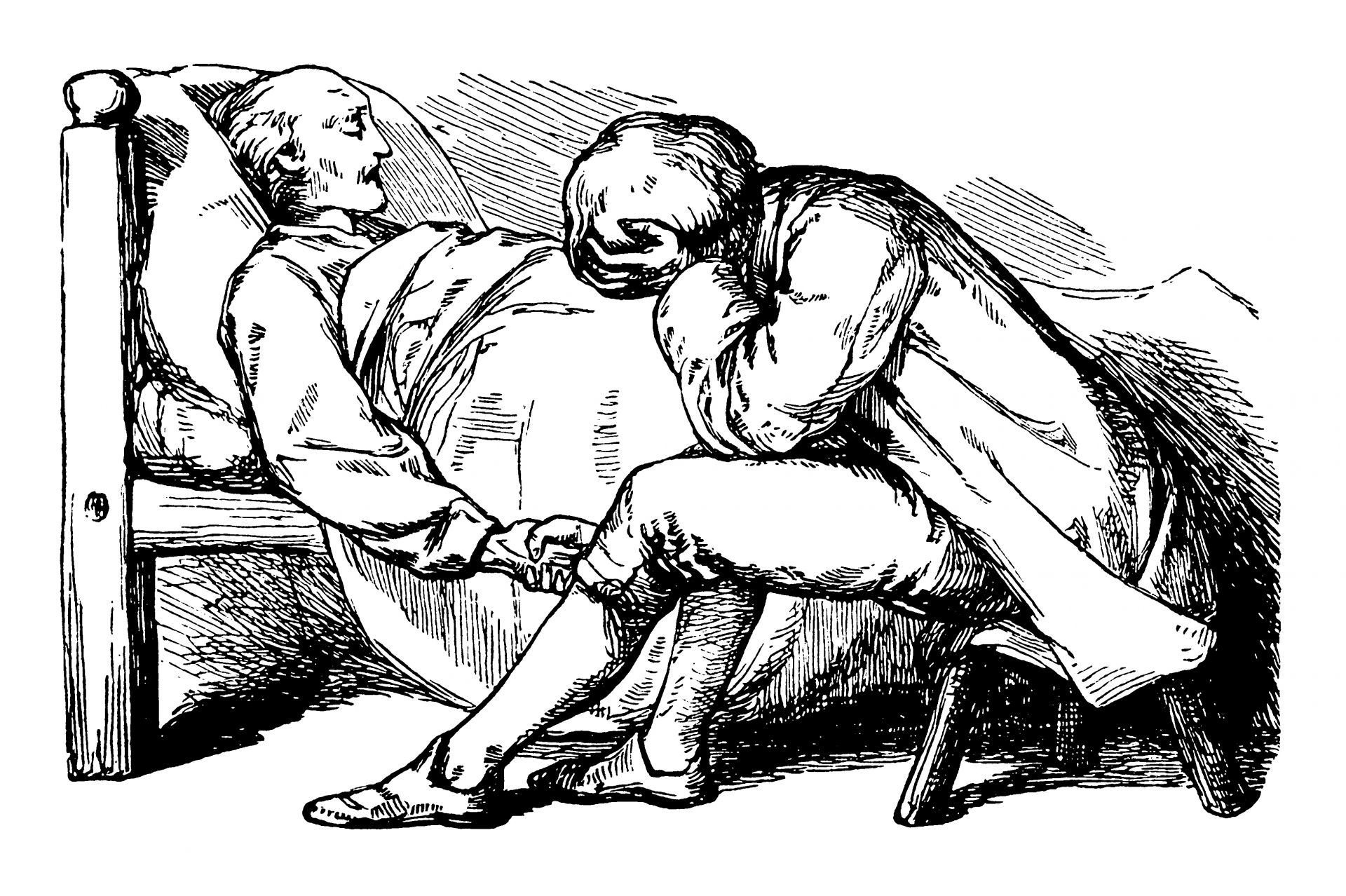
Coincidentally, the day Dohyun's father passed away was Parents' Day. On September 13, 2020, his father collapsed from a cerebral hemorrhage and became unable to move or perform daily activities on his own. The hospital bills alone amounted to tens of millions of won, a sum Dohyun, then a college student, had never handled before. On top of that came rent, utility bills, and phone charges. Dohyun was so exhausted from hunger that he once begged his uncle, "Please give me 20,000 won to buy some rice."
Supplying liquid food through a nasal tube, cleaning up after bowel and bladder movements, changing his father's position every two hours to prevent bedsores, massaging paralyzed limbs... Every moment outside of his part-time job was devoted to caring for his father. On May 8, 2021, after Dohyun gave up caregiving, he entered the room a week later to find his father no longer breathing.
Jeon Soonok, a board member of the Jeon Taeil Foundation and former lawmaker of the Democratic Party, shared with the reporter that Dohyun was filled with guilt towards his father. "Dohyun told me he feels like a criminal to his father. He also said he hopes no one else will ever make the same choice he did."
The Jeon Taeil Foundation selected Dohyun as their first scholarship recipient and is supporting his living expenses to help him rebuild his life.
"Support laws alone are not enough... Existing welfare systems must be reviewed to strengthen the social safety net"
Jeon emphasized that to prevent more cases like Dohyun's, a support law for young caregivers must be enacted as soon as possible. She said, "If children, adolescents, or young adults are forced to take on caregiving responsibilities, it becomes difficult for them to continue their studies or secure proper employment, making it hard to establish a foundation in society. If this continues into middle and old age, the risk of a vicious cycle of poverty increases. Society has a responsibility to protect these young people."
Heo Minsook, a legislative researcher on the Health, Welfare, and Women’s Team at the National Assembly Research Service, pointed out that Korea’s welfare system, which is based on an application principle, has limitations in identifying those who fall through the cracks. She questioned, "If a guardian becomes elderly or seriously ill and a child is forced to take on caregiving, can that child go to a government office, gather documents, and apply for welfare support?" She advised, "To fill gaps in the social safety net, we need separate legal grounds to identify vulnerable groups with low access to welfare resources and support their independence."
However, related bills are still pending in the National Assembly. In the 22nd National Assembly, Seo Youngseok of the Democratic Party proposed the "Family Care Children, Adolescents, and Young Adults Support Act," and Jung Chunseong of the Cho Kuk Innovation Party proposed the "Care Children, Adolescents, and Young Adults Support Act," but neither has passed. In the previous 21st National Assembly, three bills regarding family care children, adolescents,·and young adults, proposed by lawmakers So Byungcheol, Kang Minjung, and Seo Youngseok, were discarded when their terms ended.

Some experts argue that a "two-track strategy" is needed: enacting a support law for young caregivers while also reviewing the existing social welfare system. They insist that rather than focusing solely on introducing new laws, it is necessary to examine the shortcomings of the current welfare system and complete a support law that can provide additional assistance where needed.
Dr. Kim, a caregiving expert who requested anonymity, commented, "It is positive that politicians are showing interest in support laws for young caregivers, but because they are eager to achieve results with new legislation, discussions about fundamental caregiving issues often end up as attention-grabbing topics rather than substantive debate."
Dr. Kim also emphasized, "System improvement is important, but diagnosing the current situation comes first." He pointed out that even existing laws, such as the Framework Act on Healthy Families?which states the obligation of the state and local governments to alleviate the caregiving burden for families with members who require care due to illness or disability?and the Child Welfare Act?which mandates protection for children whose guardians cannot care for them?already specify the duty to support young caregivers. The same applies to the Basic Livelihood Security System for low-income families and the Long-Term Care Insurance for the elderly who need assistance due to illness.
He said, "According to various surveys of young caregivers, the most needed support is for living expenses. Systems for income support for poor households, such as the Basic Livelihood Security System and Emergency Welfare Support, are already in place, so the first discussion should be about what is failing that leaves these young people still in need of living expenses. Without diagnosing the shortcomings of the existing welfare system, even new laws will have limited effectiveness." According to the Korea Institute for Health and Social Affairs' report "Current Status and Policy Tasks for Young Caregivers," 75.6% of respondents said that support for their own and their family's living expenses was necessary.
*A pseudonym was used in this article to protect the individual's privacy.
IndexYouth Close to Serious Illness
- "I Don't Want to Go to Middle School": 12-Year-Old Jungwoo's Sigh
- Struggled but Became a 'Caregiver Killer': The Story of a 22-Year-Old Young Man
- "Caregiving Youth: 5-8% in Other Countries, but Only 1.3% in Korea?"
!["Please Help Us": How Much Do Those Bowing 90 Degrees These Days Actually Earn? [Data Pick]](https://cwcontent.asiae.co.kr/asiaresize/323/2026052010120870131_1779239528.png)