Policy
Official Multi-Family Home Prices Rise 9.13%... Seongdong-gu in Seoul Tops at 29% (Comprehensive)
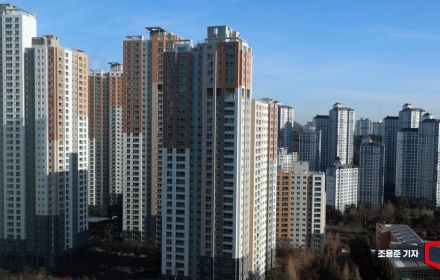
This year, the officially announced prices for multi-family housing (apartments, row houses, and multiplex housing) increased by an average of 9.13% nationwide, with Seoul recording an approximate 18% rise?the only double-digit increase among the 17 major cities and provinces. The number of opinion submissions regarding the preliminary announcement of the official prices surged to 3.5 times last year's figure, yet the acceptance rate was the lowest in the past five years. Nearly half of the opinions came from the three Gangnam districts (Gangnam, Seocho, and Songpa), where the burden of property holding taxes has grown, and most of them requested a reduction in the officially announced prices. The Ministry of Land, Infrastructure and Transport announced on the 29th that it had collected feedback from owners, stakeholders, and local governments on the preliminary official prices for 20 days, from March 18 to April 6, and would confirm and announce the final prices on the 30th. This yea
-
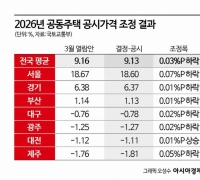
Official Multi-Unit Housing Prices to Be Announced on April 30... 9.13% Increase, 0.03%p Lower Than Provisional Figure
- Standard Market Price for Construction Projects in Second Half to Be Announced on May 8...Reflects War-Driven Price Changes
-
Public Urban Housing Projects to Bypass Feasibility Study, 34,000 Units Expected to Be Delivered a Year Earlier
-
MOLIT Launches Overhaul of Privately Financed Railways After Series of Fatal Accidents... Supervision, Design, and Subcontracting All to Be Reformed
-
Special Deduction: Abolishing Ownership and Unifying by Residency?... A Look at Past Revisions
-
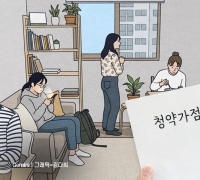
"How Do Six People Sleep in a 44㎡ Apartment?" Subscription Point System Controversy Sparked by Gangnam 'Lottery Subscription'
Housing Pre-Sale and Maintenance Project Guarantee Fees Cut by 30% Until May Next Year
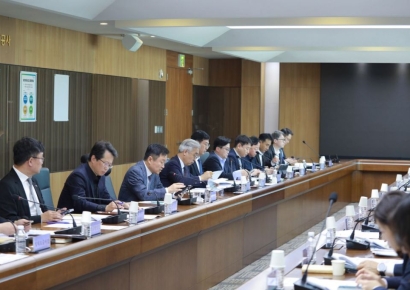
The Housing and Urban Guarantee Corporation has decided to reduce the housing pre-sale guarantee fee by 30% until May next year. This measure is intended to support construction companies facing difficulties as a result of the Middle East war. Choi Inho, President of the Housing and Urban Guarantee Corporation, held an emergency meeting on the 20th and announced the implementation of this public-interest reinforcement measure. Although the corporation has been in a situation where it needs to focus on strengthening its financial soundness due to accumulated losses and an increasing volume of subrogated claims, it stated that this decision was made in order to support the government’s housing policy. The housing pre-sale guarantee is a mandatory guarantee that all housing developers must obtain. It is designed to protect buyers in the event that the developer becomes insolvent or bankrupt. This guarantee applies to both general housing and residential-commercial complexes. For projects
Land Ministry to Disclose Construction Material Supply Trends to the Public
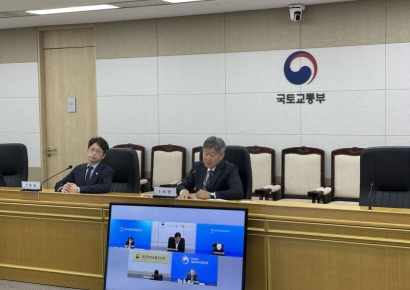
On April 20, Kim Itak, First Vice Minister of the Ministry of Land, Infrastructure and Transport, met with the heads of five regional land management offices (Seoul, Wonju, Daejeon, Iksan, and Busan) to discuss the current status of major construction material production and supply. The meeting was convened as a countermeasure in response to concerns over supply disruptions of finishing materials and other items due to the prolonged Middle East war, with a review of the production and supply situation as well as response plans. During the meeting, participants discussed establishing a real-time communication network among the Ministry's headquarters (Emergency Economic Task Force), each regional office, and the construction materials production industry, tailored to each type of construction material. The Ministry of Land, Infrastructure and Transport stated that they also discussed ways to obtain more detailed information on the supply and pricing trends of materials for quicker respo
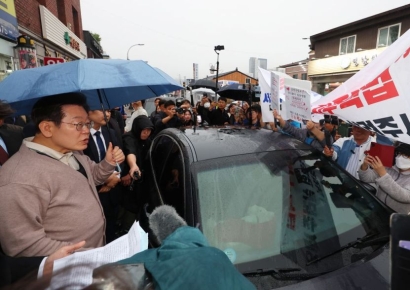
Regional Housing Cooperatives Can Proceed with Projects by Securing Only 80% of Land Ownership
The threshold for securing land ownership required for project plan approval in regional housing cooperative projects will be lowered from the current 95% to 80%. A registration system will be introduced to allow specialized companies to handle cooperative management work. In addition, when construction costs increase, verification by an external professional organization will become mandatory. Cooperatives will also be required to disclose details of fund usage to enhance transparency. The Ministry of Land, Infrastructure and Transport announced these measures on April 20 to prevent damage to members of regional housing cooperatives and to normalize project operations. Regional housing cooperatives have long faced criticism for having high land acquisition standards, slow project progress, low success rates, and significant member losses. Last October, the government strengthened initial entry requirements. This time, the focus is on accelerating the pace of already-approved projects
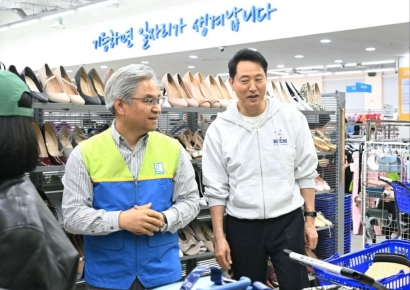
Mayor Oh Se-hoon: "Abolishing the Special Long-Term Holding Deduction Violates Property Rights"
Seoul Mayor Oh Se-hoon has openly criticized President Lee Jae-myung's plan to abolish the special long-term holding deduction (Jangteukgong) for single-homeowners. On April 20, in a Facebook post titled "After wrecking the market with regulations, is the answer another tax bomb?", Mayor Oh argued, "People who have owned and lived in their homes for a long time have nothing to do with short-term speculative gains," adding, "Abolishing the special long-term holding deduction is a clear violation of the people's property rights." Mayor Oh also stated, "In about 10 years, the prices of most goods and services generally rise," and added, "If you tax the capital gains just because home prices have gone up over time, it is essentially depriving people of their constitutional freedom to move residence." He further insisted that abolishing the deduction would "only lead to the unintended consequence of supply drying up." He explained that this is why countries such as the UK, France, Germany,
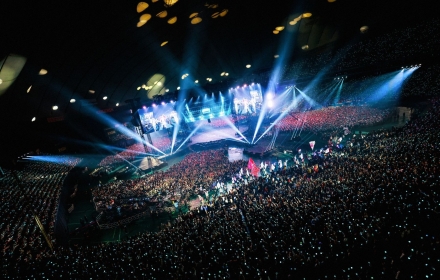
![[Why Did K-pop Leave Korea] Overseas Revenue Grows, But Less Returns Home... The Paradox of K-pop Globalization](https://cwcontent.asiae.co.kr/asiaresize/303/2026042415521039824_1777013531.jpg)
![[Why Did K-pop Leave Korea] The Era of Selling Only Songs Is Over... K-pop Competes with Four Key Survival Strategies](https://cwcontent.asiae.co.kr/asiaresize/303/2024050815595964978_1715151598.jpg)
In the News


- Chairman Ryu Jin's Decision on "Poongsan Headquarters Relocation": Will It Spur Other Major Corporations to Move Their Headquarters?
- Semiconductor Stocks Rally on Big Tech's Surprise Earnings... KOSPI Hits Intraday Record High
- "Running Into a Top CEO While Taking Out the Trash"...The Apartment Complex Where Executives Gather
- 146 Years of U.S.-UK Friendship Embodied in Trump's White House Desk... The Secret Behind King Charles III's Gift
- "South Korea as a Model"...The Country Looking to Korea for Low Birth Rate Solutions
- "Why Is Genesis Faster?" Surprised Ferrari... Promising First Results