Hospitals Maintain Syringe and Medical Product Inventories at 80-120% of Last Year's Levels
Ministry of Health and Welfare Finds Inventory Levels at 357 Medical Institutions "Normal"
Most Manufacturers Have Secured Raw Materials at Usual Levels
Although concerns persist over disruptions in the supply of pharmaceuticals due to the prolonged Middle East conflict, frontline hospitals and higher-level medical institutions are maintaining their stocks of medical products at 80 to 120 percent of normal levels.

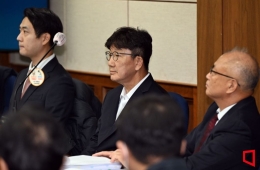
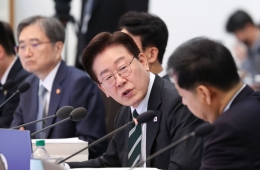
At the 5th Health and Medical Organizations Meeting held on the 28th at Conference House Dalgabi in Jung-gu, Seoul, Lee Hyun, Deputy Minister of Health and Welfare, is speaking. Ministry of Health and Welfare
View original imageOn April 28, the Ministry of Health and Welfare announced this during the 5th Health and Medical Organizations Meeting, which was held in the morning together with the Ministry of Trade, Industry and Energy, the Ministry of Food and Drug Safety, the Korean Medical Association, the Korean Hospital Association, and ten other organizations. Since the outbreak of the Middle East conflict, the government has been holding regular weekly meetings since the end of last month to stabilize the supply of medical products, checking the status and challenges at each stage of production, distribution, and inventory.
According to the Ministry of Health and Welfare, a survey conducted from April 14 to 20, in cooperation with public health centers in 17 cities and provinces, found that the inventory levels of eight key medical products at 357 medical institutions—including 25 tertiary general hospitals, 206 general hospitals, and 126 hospitals—were similar to those of the previous year.
For syringes, the current inventory of 3cc, 5cc, and 10cc types is approximately 4,086,000 units, which is 95.6 percent of last year's 4,276,000 units. Dedicated containers for medical waste stood at 114.4 percent compared to the same period last year, sterilized packaging at 91.3 percent, IV solution bags at 102.9 percent, IV sets at 116.9 percent, hemodialysis solution containers at 79.5 percent, catheters at 99.4 percent, and urine bags at 107.5 percent.
The Ministry explained that, in the case of prescription drug packaging and syrup bottles, many manufacturers have secured raw materials at normal levels this month. They confirmed that, through the use of existing stock and additional procurement of raw materials, production levels this year are expected to exceed those of last year. For example, the average monthly production of prescription drug packaging rolls was 329,000 last year, but this month, production is expected to reach 345,000 rolls.
During the meeting, each occupational group also shared updates on voluntary support projects and campaigns. The Korean Medical Association has been working with syringe manufacturers since April 15 to supply syringes to clinics specializing in hemodialysis, while the Association of Korean Medicine began supplying cupping cups to Korean medicine clinics in cooperation with producers. The Korean Hospital Association is running a campaign, via a voluntary action pledge, not to request larger-than-usual quantities of medical products from distributors.
Hot Picks Today
 "Pay for the Postpartum Care Center with My Car...
- "Skipping Diamond Rings... Gen Z in the US Opts for Finger Tattoos"
- "Forged IDs Easily Bypass Convenience Stores, Bars, and Motels... Delinquency En...
- Found a Cockroach in Tteokbokki Order... Headquarters Apologizes for Discomfort,...
- Back After 3 Years and 5 Months with a 'Shark Nose Surgery'... Hyundai Unveils T...
Lee Hyun-hoon, the 2nd Vice Minister of Health and Welfare, who presided over the meeting, stated, "The government places the health and lives of the people as its top priority and is supplying plastic raw materials to medical products ahead of other industries. As some vendors exploiting social anxiety have been caught, distribution order will also return to normal."
© The Asia Business Daily(www.asiae.co.kr). All rights reserved.