Court Restricts 'Samsung Biologics Union Strike': "Right to Strike Cannot Be Unlimited"
A court has issued its first ruling stating that, given the unique characteristics of biopharmaceutical production processes, essential work to prevent product spoilage must be maintained even during a strike. This decision prioritizes the protection of bio assets and public interest over the labor union's right to collective action, sending a significant message to the industry.
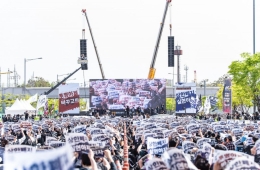
According to the industry on April 25, the Incheon District Court partially accepted a request for an injunction filed by Samsung Biologics against the labor union to prohibit industrial action. The court specified that, under Article 38, Paragraph 2 of the Trade Union and Labor Relations Adjustment Act, work necessary to prevent the deterioration or spoilage of raw materials or products must be carried out as usual even during a labor dispute. This marks the first case confirming the applicability of this provision in the bio industry.

The court stated, "Although the labor union's right to collective action is constitutionally protected, it may be restricted under certain circumstances if it conflicts with the values of corporate survival or the protection of core assets." The court emphasized, "In particular, if the production process for biopharmaceuticals is halted, irreversible material losses such as batch disposal or process contamination may occur, which not only lead to simple corporate losses but also directly affect patient treatment schedules and the global supply chain."
As a result of this decision, certain bio process facilities are now effectively considered 'essential maintenance facilities' that must remain operational even during a strike. The industry expects that this ruling will weaken the union’s leverage during strikes and place considerable psychological and practical pressure on the union regarding potential legal liabilities arising from future industrial actions.
The union's strategy of leveraging production disruptions to push for economic demands such as wages or bonuses has also been checked. The court partially accepted the company's concern that, due to the unique characteristics of bio processes, work stoppages could lead to quality certification risks from regulatory bodies.
While Samsung Biologics welcomed the decision, the company expressed a cautious stance. A company official stated, "We have received the decision and confirmed that it was partially granted." The official added, "However, since sufficient consideration must be given to biopharmaceutical quality risks in the remaining processes that were not included in the injunction, we have immediately filed an appeal."
Hot Picks Today
 Frozen Meals, Two Hours of Sleep... "I Wish I C...
- The Quoted 800,000 Won, the Bill Was 5 Million... Bereaved Families of 'No-Funer...
- "You Can Only Have This in Korea": Which National Museum Cafe Menu Is Captivatin...
- Tragedy in Luxury Apartment: Woman in Her 20s Found Dead, Suspect Identified
- "Never Hike Alone as a Woman" "Even Two Are at Risk"... Growing Fear of Crime on...
This ruling is expected to serve as an important milestone in defining the scope of labor relations and industrial action within the bio industry in the future. By clarifying the limits of the right to strike, it is seen as providing grounds for maintaining international trust in the bio sector, which is a national strategic industry.
© The Asia Business Daily(www.asiae.co.kr). All rights reserved.