[Issue] Jeonnam-Gwangju Integration's "First Step" 57.3 Billion Won Omitted... Calls for Supplementation Intensify
Essential Preparation Budget for Launch, Including Computer System Integration and Administrative Reorganization, Omitted from Supplementary Budget
Shin Junghoon, Kang Gijung, and Lee Junghyun: "Alternative Funding Such as Special Grants Needed"
Concerns are mounting over securing the minimum administrative foundation required for the launch of the Jeonnam-Gwangju Integrated Special City, scheduled for July, as the 57.3 billion won preparation budget was not included in the government's supplementary budget or in the National Assembly Budget and Accounts Committee's review process. This budget is essential for preparations prior to the launch of the integrated special city, covering costs such as the integration of computer systems, administrative system reorganization, and maintenance of public facilities.
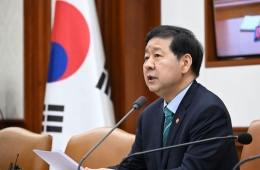
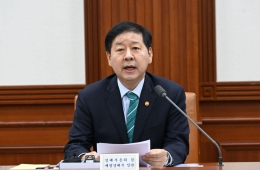
In response, Shin Jung-hoon, Chairman of the National Assembly's Public Administration and Security Committee, Kang Gi-jung, Mayor of Gwangju, and Lee Jung-hyun, a preliminary candidate for the Jeonnam-Gwangju Integrated Special City mayoral election, have each raised the need to secure alternative funding sources such as special grants. The issue of securing a minimum preparation budget has become a joint challenge for both the political sphere and the local community ahead of the launch of the integrated special city.

Ruling and Opposition Lawmakers Agree: "Minimum Preparation Budget Must Be Secured for Launch"
On April 20, Shin Jung-hoon, Chairman of the National Assembly's Public Administration and Security Committee, stated on Facebook, "It is disappointing that the budget for computer system integration and administrative preparations—most fundamental for the Jeonnam-Gwangju administrative integration—was not included in this supplementary budget. Since the July launch is a set commitment, all available financial means, including special grants, should be mobilized to ensure at least the minimum preparations." He added, "Although I understand the urgent need for emergency fiscal measures in response to unexpected economic crises such as the Iran war, the preparations for administrative integration cannot be delayed. Integration without sufficient preparation could lead to chaos."
On the same day, Mayor Kang Gi-jung of Gwangju also emphasized the need to support the preparation budget for the launch of the integrated special city. Mayor Kang said, "The minimum administrative costs of 57.3 billion won, including 16 billion won for computer system integration, were omitted from this government supplementary budget. We are requesting the reduced launch costs for the Jeonnam-Gwangju Integrated Special City to be covered by special grants." He continued, "While I understand the urgency of responding to worsening international conditions and economic crises, the launch of Korea's first integrated special city should not be jeopardized by a lack of budget."
Lee Jung-hyun, a preliminary candidate for the Jeonnam-Gwangju Integrated Special City mayoral election from the People Power Party, also expressed his full agreement with Chairman Shin's concerns. He stated, "This is not simply a matter of local budgeting or political advantage or disadvantage. The People Power Party should not block the initial 50 billion won budget." He added, "I will do my utmost to ensure that the launch of the Gwangju-Jeonnam integration begins as an opportunity—not as a source of confusion—by demanding and verifying what is required until the end."
"State-Led Integration, Yet Initial Costs Shifted to Local Governments"—Growing Concerns
Previously, Gwangju City and South Jeolla Province requested the government to include the minimum preparation funds of 57.3 billion won for the launch of the Jeonnam-Gwangju Integrated Special City in the supplementary budget, but it was not included in the government proposal. This budget is known to be for essential preparatory expenses such as integrating information systems, maintaining public facilities, reorganizing the administrative structure and changing titles, and updating signage required for the launch of the integrated special city.
The government reportedly excluded the integration preparation budget from the supplementary budget, citing its purpose as a so-called "war response supplementary budget." Instead, the authorities suggested self-funding options such as issuing local bonds or borrowing public funds, which has led to criticism in the local community that shifting the initial preparation costs to local governments is inappropriate, especially since the administrative integration is being promoted at the national level.
Hot Picks Today
![[Exclusive] Why Investors Are Flocking to the 'Forever Young Idols'... 7 Billion Won Poured In](https://cwcontent.asiae.co.kr/asiaresize/93/2026042308582537168_1776902305.png) [Exclusive] Why Investors Are Flocking to the '...
[Exclusive] Why Investors Are Flocking to the '...
- "Stage Set for Samsung and SK hynix: How High Can They Climb?... Semiconductor B...
- "Doctors Never Eat This": Foods Warned Against by Asan Medical Center Professor
- "We'll Give You 200,000 Won, Please Start Dating"... Japan Subsidizes Matchmakin...
- "I Can't Believe They're Real": Cockroaches Squirm Inside Transparent Jacket in ...
A representative of a Gwangju civic group pointed out, "Given that financial support of 5 trillion won annually and a total of 20 trillion won over four years has been discussed as an integration incentive, it is concerning that even the essential initial preparation budget has not been included." They added, "If there are setbacks in financial support from the initial preparation stage, it could also affect the effectiveness of the promised integration incentives in the future."
© The Asia Business Daily(www.asiae.co.kr). All rights reserved.