Holiday Overload of Drinking and Fatigue: Why Stroke Risk Soars and How to Spot Early Warning Signs
Use the "FAST" rule to quickly check for facial, arm, or speech abnormalities
If you have hypertension or diabetes, do not miss the warning signs
During the Lunar New Year holidays, the number of patients visiting emergency rooms increases as excessive drinking, overeating, and fatigue overlap. In particular, stroke accounts for the largest proportion among severe emergency conditions seen in emergency rooms. During the holidays, heavy drinking, overeating, accumulated fatigue, and stress can all increase the burden on blood vessels and raise the risk of stroke. On the 16th, we spoke with Woo Hogeol, Professor of Neurology at Kyung Hee University Hospital, about the warning signs of stroke and its treatments.

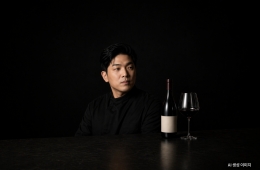
Woo Hogeol, Professor of Neurology at Kyung Hee University Hospital. Kyung Hee University Hospital
View original imageStroke is a condition in which a cerebral blood vessel becomes blocked or ruptures, cutting off the supply of oxygen to brain tissue. It is divided into ischemic stroke (cerebral infarction) and hemorrhagic stroke (cerebral hemorrhage. In addition to chronic diseases, lifestyle habits that cause vascular damage and stenosis, such as smoking, obesity, and eating salty foods, are major risk factors. A characteristic of stroke is that it often progresses without noticeable symptoms and then suddenly manifests when the blood vessel reaches a critical point.
Professor Woo said, "Typical symptoms of stroke include paralysis of one side of the face, arm, or leg, language impairment, sudden headache, and severe vomiting," adding, "If you recall the 'FAST rule,' you can quickly check for these symptoms."
The FAST rule means: F (Face) - whether one side of the face droops when smiling; A (Arm) - whether one arm drops when both arms are raised; S (Speech) - whether speech is slurred or words do not come out properly; T (Time) - if any of these symptoms appear, immediately call 119 and go to the emergency room.
Professor Woo Hogeol said, "Even if the symptoms disappear within 10 to 20 minutes after they first appear, you must not be reassured," and added, "It may be a transient ischemic attack (mini-stroke) that occurs before a severe stroke develops, so you should not dismiss it as simple fatigue or a temporary abnormal sensation and delay medical care. You must undergo a thorough examination immediately."
The treatment options for stroke vary depending on the time elapsed since onset. For ischemic stroke, if the patient arrives at the emergency room within 4.5 hours after symptom onset, administration of a thrombolytic agent is possible. If the blocked vessel is large or drug treatment is difficult, mechanical thrombectomy, in which the vessel is directly opened and the clot is removed, can be performed.
Professor Woo Hogeol said, "For hemorrhagic stroke, priority is given to controlling blood pressure and preventing the spread of bleeding, depending on the volume and location of the hemorrhage, and if necessary, the need for surgical treatment within 6 hours must be determined," emphasizing that "the golden time for stroke is not a period you can afford to wait, but the minimum time window that preserves life and makes treatment possible. The faster the treatment, the more we can minimize brain cell damage and long-term complications."
People at high risk of stroke need to pay even closer attention to lifestyle management during the holidays. Eating a lot of greasy and heavily seasoned foods increases the levels of sugar and fat in the blood, reduces blood flow within the vessels, and can raise the risk of stroke. It is also important to continue taking any regular medications consistently during the holiday period.
Hot Picks Today
!["What Should I Eat? Cooking at Home Is a Hassle... 10,000~20,000 Won 'Hotel-Level Catering' Spreads in Ultra-Luxury Apartments [Luxury World]"](https://cwcontent.asiae.co.kr/asiaresize/93/2026042610544940447_1777168490.png) "What Should I Eat? Cooking at Home Is a Hassle...
"What Should I Eat? Cooking at Home Is a Hassle...
- Elite Instructor and Prestigious University Engineering Graduate Identified as S...
- "Up to 600,000 Won Per Person, Finally Available"... Be Careful: Filling Up at Y...
- "I Have Received an Order": Kim Boo-kyum Reveals Letter from 25-Year Daegu Resid...
- No Work, No Inheritance for the Eldest... 30 Billion KRW in Shares Gifted to Sec...
Professor Woo said, "There is no way to manage stroke at home, and getting to the emergency room as quickly as possible is the only response," adding, "During holiday periods when medical institution operations are limited, it can be helpful to check in advance which emergency medical institutions are on duty and whether their emergency rooms are operating."
© The Asia Business Daily(www.asiae.co.kr). All rights reserved.