Modern Korean Language Dictionary Manuscripts and Naebanggasa Submitted for UNESCO Memory of the World Register
Cultural Heritage Administration Submits Application to UNESCO
Final Decision Expected in 2027

The Cultural Heritage Administration announced on the 24th that it had submitted applications for the inscription of the "Modern Korean Language Dictionary Manuscripts" and "Naebanggasa" on the UNESCO Memory of the World International Register to the UNESCO Memory of the World Secretariat on the 21st.
Both national heritage items were selected as inscription candidates through the deliberation of the Korean Committee for the Memory of the World on September 19. After review by the UNESCO International Advisory Committee for the Memory of the World, the final decision on inscription will be made at the UNESCO Executive Board meeting to be held in France in the first half of 2027.
The Modern Korean Language Dictionary Manuscripts comprise one volume of the "Malmoi" manuscript (1911-1914) and 18 volumes of the "Joseonmal Keunsajeon" manuscripts (1929-1957). As a product of the movement to preserve the mother tongue and establish national identity, these records contributed to the shift toward a Korean-centric language life, the eradication of illiteracy, and the expansion of educational opportunities.
Hot Picks Today
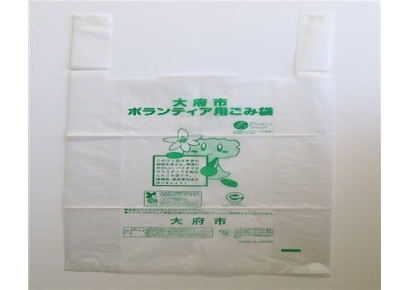 "Only Two Per Person" Garbage Bag Crisis Was Just Yesterday... Japan Also Faces Shortage Anxiety
- "Samsung Electronics Employee with 100 Million Won Salary Receiving 600 Million Won Bonus... Estimated Tax Revealed"
- Lived as Family for Over 30 Years... Daughter-in-Law Cast Aside After Husband's Death
- 'Will Demand Finally Decline Due to High Prices?'... "I'll Just Enjoy Nearby Trips" as Japan and China See a Surge
- "Wore It Once, Then This? White Spots All Over 4.15 Million Won Prada Jacket... 'Full Refund Ordered'"

Naebanggasa, meaning "songs sung in women's spaces," is a unique form of Korean literature written in Hangul, transcribed and passed down among gatherings of women. The records submitted for inscription this time include 567 pieces of lyrics created and enjoyed by generations of women from 1794 to the late 1960s. This demonstrates that women from various social classes formed literary communities and actively took the initiative in both the creation and transmission of this literary tradition.
© The Asia Business Daily(www.asiae.co.kr). All rights reserved.