"Housing Prices Will Not Drop Further"... 4 out of 10 Expect Stable Housing Market in Second Half of the Year
Four out of ten ordinary people predicted that housing prices would remain stable in the second half of this year. The number of respondents forecasting a decline in housing prices in the second half of the year also significantly decreased compared to the first half survey. In the case of jeonse and wolse, the most common responses were a decline in jeonse prices and a rise in wolse prices.
![View of apartment buildings in Seoul city from Lotte World Tower Seoul Sky Observatory. <br>[Photo by Yonhap News]](http://www.asiae.co.kr/news/img_view.htm?img=2023061110113459187_1686445893.jpg)
View of apartment buildings in Seoul city from Lotte World Tower Seoul Sky Observatory.
[Photo by Yonhap News]
According to a survey conducted by Real Estate R114 from the 9th to the 23rd of this month targeting 2,073 people nationwide for 15 days on the '2023 Second Half Housing Market Outlook,' four out of ten respondents expected housing transaction prices to remain stable in the second half of the year.
Responses forecasting a price decline accounted for 35%. Considering that in the previous survey targeting the first half of this year, the decline response was the highest at 65%, it is interpreted that the decline responses have shifted toward stability. Responses expecting a price increase were recorded at 24%, the lowest among the responses.
Among those who expected transaction prices to fall, one in two cited the possibility of an economic recession as the main reason for the decline. Since the beginning of the year, there has been a continuous downward revision of economic growth forecasts and sluggish exports, raising concerns about an economic recession compared to the past. Following this, the possibility of a loan interest rate hike (10.91%) was a significant response, followed by increased selling volume due to interest and tax burdens (8.56%) and worsening reverse jeonse issues in the second half (8.15%).
Respondents expecting transaction prices to rise selected reasons such as the price increase of high-end apartments in key areas (25.10%) and a sudden change in the base interest rate hike trend (23.47%). This is interpreted as being influenced by the recent upward trend in some areas of Seoul, led by high-priced areas such as the Gangnam 3 districts and Yongsan.

Regarding the rental market outlook, the most common response was stability at 40.52%. Similar to the sales market, the jeonse market showed a stronger expectation of decline (32.71%) than increase (26.77%). In contrast, for wolse price forecasts, stability was the highest at 44.72%, and the proportion expecting an increase was 42.45%, more than three times the number of respondents expecting a decline (12.83%).
Those who chose a decline in jeonse prices cited the risk of landlords returning tenant deposits (reverse jeonse) (44.40%) as the main reason. This is because the lease contracts signed at the peak in the second half of 2021 are nearing expiration. Next, the increase in jeonse listings due to gap investment (17.85%) and the burden of the sharp rise in jeonse prices from 2020 to 2021 (10.47%) were selected as reasons for the decline in jeonse prices.
Meanwhile, among the 555 respondents who expected jeonse prices to rise, 33.15% anticipated an increase in jeonse demand due to weakened buying sentiment. This means that the relatively weakened buying sentiment caused by price burdens and high interest rates could increase jeonse demand, raising price instability concerns. Following this were the landlord preference for wolse leading to a shortage of jeonse supply (22.70%) and a temporary increase in jeonse residence for subscription (pre-subscription) purposes (12.97%).
Hot Picks Today
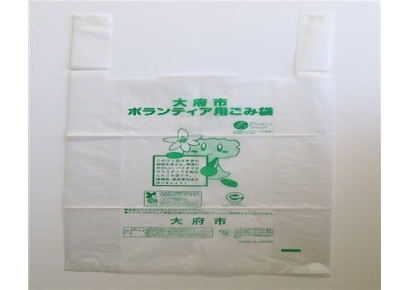 "Only Two Per Person" Garbage Bag Crisis Was Just Yesterday... Japan Also Faces Shortage Anxiety
- "Samsung Electronics Employee with 100 Million Won Salary Receiving 600 Million Won Bonus... Estimated Tax Revealed"
- Lived as Family for Over 30 Years... Daughter-in-Law Cast Aside After Husband's Death
- 'Will Demand Finally Decline Due to High Prices?'... "I'll Just Enjoy Nearby Trips" as Japan and China See a Surge
- "Wore It Once, Then This? White Spots All Over 4.15 Million Won Prada Jacket... 'Full Refund Ordered'"
As key variables for the second half of this year, four out of ten consumers selected 'external economic conditions such as the speed of domestic and international economic recovery (23.44%)' and 'whether the Bank of Korea will raise the base interest rate further (18.28%)'. Yoon Ji-hae, Senior Researcher at Real Estate R114, explained, “In the previous survey, responses regarding the base interest rate hike ranked first, but it seems consumers have become more sensitive to changes in economic conditions than to interest rate issues.” She added, “Besides this, changes in regulatory environments such as loans and taxes, and instability in the rental market will also act as variables.”
© The Asia Business Daily(www.asiae.co.kr). All rights reserved.