Investigation into Possible Involvement of Illegal Short Selling Forces in US Bank Stocks
U.S. regulators are investigating whether illegal short-selling forces were involved in the plunge of bank stocks triggered by the collapse of Silicon Valley Bank (SVB). Depending on the investigation results, there is a possibility that short-selling of bank-related stocks could be temporarily halted.
On the 10th (local time), major foreign media outlets reported, citing sources familiar with the matter, that the U.S. federal prosecutors are investigating whether short-selling forces were involved in the bank stock sell-off that has continued since March.
The U.S. federal prosecutors are conducting an investigation into the possibility that short-selling speculative forces contributed to the excessive volatility in bank stocks observed over the past two months. One source said, "An official investigation has not yet been launched," but if any allegations are found regarding the targeted stocks, it will be escalated to a formal investigation.
Earlier, the U.S. Securities and Exchange Commission (SEC) and the California state government also announced that they are strengthening monitoring of short-selling investors and examining whether any illegal activities have occurred. The American Bankers Association (ABA) identified signs of illegal short-selling forces intervening in regional bank stocks and sent a letter to the SEC requesting a halt to short-selling.
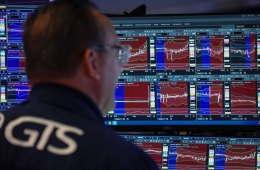
![[Image source=Reuters Yonhap News]](http://www.asiae.co.kr/news/img_view.htm?img=2023051020192926896_1683717569.jpeg)
Since the SVB incident, the stocks of U.S. regional banks caught in crisis rumors have shown a rollercoaster pattern with sharp fluctuations.
The KBW Regional Banking Index, which tracks major U.S. regional banks, has fallen about 24% from March 10, following the SVB collapse, until recently. After the bankruptcy of First Republic Bank, the scale of short-selling on regional bank stocks increased significantly, further accelerating the plunge of bank stocks.
Following news that the company was considering a sale, PacWest Bank’s stock, which had plunged about 50% on the 4th, surged more than 80% the next day, and Western Alliance Bank’s stock also rebounded nearly 50%. The stocks of Zions and Comerica rose more than 20% and 16%, respectively.
This has been analyzed as a result of excessive concentration of short-selling positions, leading short-selling investors to engage in profit-taking buying ahead of the weekend.
According to financial data firm Ortex, recent short-selling forces have bet on the decline of U.S. regional banks such as SVB and First Republic Bank, earning $1.2 billion (about 1.6 trillion KRW) in profits.
Hot Picks Today
!["Rather Than Endure a 1.5 Million KRW Stipend, I'd Rather Earn 500 Million in the U.S." Top Talent from SNU and KAIST Are Leaving [Scientists Are Disappearing] ①](https://cwcontent.asiae.co.kr/asiaresize/93/2026051414165763158_1778735817.jpg) "Rather Than Endure a 1.5 Million KRW Stipend, I'd Rather Earn 500 Million in the U.S." Top Talent from SNU and KAIST Are Leaving [Scientists Are Disappearing] ①
"Rather Than Endure a 1.5 Million KRW Stipend, I'd Rather Earn 500 Million in the U.S." Top Talent from SNU and KAIST Are Leaving [Scientists Are Disappearing] ①
- "I Hated Myself as Much as I Craved It"... Even a Mother's Tears and Brilliant Dreams Were Shattered [ChwiYakGukga] ⑦
- "Most Americans Didn't Want This"... Americans Lose 60 Trillion Won to Soaring Fuel Costs
- Mother of Three Gang-Raped on Bus in India... Outrage as Bus Driver Implicated
- "It's Only May, but Convenience Stores Know... Iced Americano at 24°C, Tube Ice Cream at 31°C: The Thermometer of the Summer Sales Boom"
Meanwhile, JP Morgan announced earlier this month that it may temporarily ban short-selling of bank stocks to prevent panic over bank failures. U.S. regulators have also imposed short-selling bans during the 2008 global financial crisis and the 2020 COVID-19 pandemic.
© The Asia Business Daily(www.asiae.co.kr). All rights reserved.