[Health Tip] Stomach Cancer Twice as Common in Men: "Quit Smoking and Eat Less Salty"
![[Image source=Pixabay]](http://www.asiae.co.kr/news/img_view.htm?img=2023031013151050208_1678421710.jpg)
For Koreans who enjoy spicy and salty foods and frequent drinking, stomach cancer is a type of cancer that requires caution. In the early stages, there are no special symptoms, and it is often mistaken for mild conditions such as indigestion, leading to missed treatment opportunities. Especially since male patients occur twice as often as female patients, men need to be particularly careful.
According to the 2020 cancer registration statistics, there were 17,869 male stomach cancer patients and 8,793 female patients. Regarding the higher number of males, Professor Choi Seong-il of the Department of Surgery at Gangdong Kyung Hee University Hospital explained, "There may be various causes such as more frequent drinking and smoking compared to women, as well as Helicobacter pylori infection," adding, "Since COVID-19, solo dining and drinking have become popular, and frequent consumption of delivery food and convenience meals is also presumed to have had an impact."
Being young does not guarantee safety. Stomach cancer occurring at a young age is relatively more often diffuse-type stomach cancer, which metastasizes quickly, spreads rapidly, and is difficult to treat. Due to its characteristic of spreading through the submucosa or muscle layer to surrounding areas, it is often not visible through gastroscopy and easily metastasizes to nearby lymph nodes and other organs. According to the 2021 cause of death statistics from Statistics Korea, among deaths from cancer in people in their 30s, stomach cancer and breast cancer had the highest mortality rates.
![Professor Choi Sung-il of the Department of Surgery at Gangdong Kyung Hee University Hospital is performing stomach cancer surgery. <br>[Photo by Gangdong Kyung Hee University Hospital]](http://www.asiae.co.kr/news/img_view.htm?img=2023031013163150211_1678421791.jpg)
Professor Choi Sung-il of the Department of Surgery at Gangdong Kyung Hee University Hospital is performing stomach cancer surgery.
[Photo by Gangdong Kyung Hee University Hospital]
Early stomach cancer generally has no special symptoms and is mostly discovered incidentally during health checkups. In cases of early stomach cancer accompanied by ulcers, symptoms such as heartburn may occur, but most digestive symptoms felt by patients are often non-ulcer dyspepsia. If weight loss, abdominal pain, nausea, vomiting, loss of appetite, difficulty swallowing, or gastrointestinal bleeding occur due to stomach cancer, it is likely that the cancer has already progressed to an advanced stage where surgery is not possible. Therefore, it is important to detect and treat it early through regular checkups.
The stomach cancer screening recommendation advises that after the age of 40, even without any symptoms, screening should be done every two years. Especially if there is a family history of stomach cancer or symptoms such as upper abdominal pain, indigestion, or weight loss, it is recommended to undergo gastroscopy. If stomach cancer is detected early through regular screening, more than 90% of cases can be cured.
Hot Picks Today
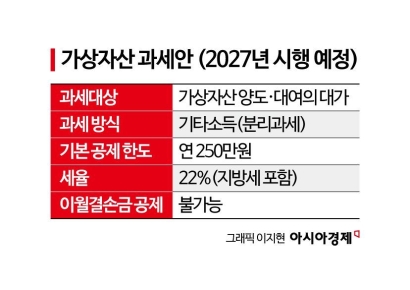 "Stocks Are Not Taxed, but Annual Crypto Gains Over 2.5 Million Won to Be Taxed Next Year... Investors Push Back"
- "Not Jealous of Winning the Lottery"... Entire Village Stunned as 200 Million Won Jackpot of Wild Ginseng Cluster Discovered at Jirisan
- "Even With a 90 Million Won Salary and Bonuses, It Doesn’t Feel Like Much"... A Latecomer Rookie Who Beat 70 to 1 Odds [Scientists Are Disappearing] ③
- "Rather Than Endure a 1.5 Million KRW Stipend, I'd Rather Earn 500 Million in the U.S." Top Talent from SNU and KAIST Are Leaving [Scientists Are Disappearing] ①
- "How Did an Employee Who Loved Samsung End Up Like This?"... Past Video of Samsung Electronics Union Chairman Resurfaces
Stomach cancer does not occur due to a specific cause, but poor eating habits are considered one of the major causes of stomach cancer. Professor Choi emphasized, "To prevent stomach cancer, it is essential to correct eating habits. Avoid eating salty foods and smoked foods high in nitrates and nitrites," adding, "People who consume a lot of salty food have been found to have a 4.5 times higher incidence of stomach cancer than those who consume less." Attention should also be paid to consuming fresh vegetables and fruits rich in vitamins. Quitting smoking is also important. It is already well known through many studies that smokers have a 2 to 3 times higher risk of developing stomach cancer compared to non-smokers.
© The Asia Business Daily(www.asiae.co.kr). All rights reserved.







