LG Chem's New Business Lifeline... Earning from Petroleum and Investing in Battery and Bio Sectors
Operating Profit Accounts for 33% Among 73 Group Affiliates
Weak Performance in Some Areas Offset by Other Businesses
![U.S. Treasury Secretary Janet Yellen is listening to Shin Hak-cheol, Vice Chairman of LG Chem, explaining next-generation electric vehicle batteries at the 'Sustainability Gallery' inside LG Science Park in Magok-dong, Gangseo-gu, Seoul, last July. <br>[Photo by Yonhap News]](http://www.asiae.co.kr/news/img_view.htm?img=2022111814585822134_1668751139.jpg)
U.S. Treasury Secretary Janet Yellen is listening to Shin Hak-cheol, Vice Chairman of LG Chem, explaining next-generation electric vehicle batteries at the 'Sustainability Gallery' inside LG Science Park in Magok-dong, Gangseo-gu, Seoul, last July.
[Photo by Yonhap News]
[Asia Economy Reporter Choi Seoyoon] Despite worsening profitability among major competitors, LG Chem is leading a solid performance thanks to business diversification and is steadily pioneering new businesses.
According to the Financial Supervisory Service on the 21st, among the total operating profit of 9.094 trillion KRW from 73 LG Group affiliates last year, LG Chem (3.0192 trillion KRW) accounted for 33%, ranking first in the group by operating profit. As of last year, more than 80% of the total operating profit (about 5 trillion KRW), including LG Energy Solution, was earned from the petrochemical business (about 4 trillion KRW).
This year, the company faced challenges due to the industry downturn. Operating profit in the petrochemical sector for the third quarter fell by about 90% compared to the previous year. However, thanks to early business diversification efforts, LG Chem's overall operating profit increased by 24% during the same period.
The new battery business handled by LG Energy Solution and the advanced materials sector used for manufacturing cathode materials performed well. LG Energy Solution succeeded in turning a profit, and the advanced materials sector increased by 749% compared to the previous year. An industry insider said, "Thanks to the diversified business portfolio, even if one business area underperforms, other businesses can partially offset it," adding, "This is a point of differentiation from competitors in crisis situations such as market downturns or oversupply."
In fact, based on a solid business portfolio, LG Chem is increasing new investments to pioneer new growth engines such as bio. A representative example is the 800 billion KRW investment made last month to acquire a U.S. oncology bio company. The ability to invest nearly 1 trillion KRW in a business that accounts for only about 2% of total sales was possible because the traditional core business, which is a cash cow, strongly supports it. Bio has high uncertainty and does not generate immediate profits despite large-scale investments, so securing stable funding is important.
Previously, LG Chem spun off its bio business as 'LG Life Sciences' in 2002 to grow it seriously but struggled with business profitability and securing investment funds, leading to reintegration into the company in 2017. LG Chem currently holds nine oncology pipelines including solid tumor cell therapies and a total of 20 drug development pipelines (preclinical and clinical) including treatments for gout and obesity.
In the battery sector, rumors of new investments worth trillions of KRW are circulating. Foreign media have reported that LG Chem is pushing to build a 1.69 million square meter cathode material plant in Tennessee, USA, with an investment of 3.2 billion USD (4.24 trillion KRW). Earlier, during the third-quarter conference call this year, LG Chem stated, "The plan to build cathode material capacity in North America to expand the battery materials business is nearing completion," and "We expect to announce it soon." Cathode materials are key components used in electric vehicle batteries and account for more than 40% of battery costs. However, LG Chem dismissed the Tennessee investment rumors, saying, "We are planning to build a North American cathode material plant, but nothing has been concretely decided yet."
Hot Picks Today
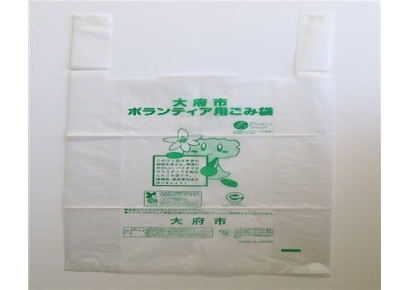 "Only Two Per Person" Garbage Bag Crisis Was Just Yesterday... Japan Also Faces Shortage Anxiety
- "Samsung Electronics Employee with 100 Million Won Salary Receiving 600 Million Won Bonus... Estimated Tax Revealed"
- Lived as Family for Over 30 Years... Daughter-in-Law Cast Aside After Husband's Death
- 'Will Demand Finally Decline Due to High Prices?'... "I'll Just Enjoy Nearby Trips" as Japan and China See a Surge
- "Wore It Once, Then This? White Spots All Over 4.15 Million Won Prada Jacket... 'Full Refund Ordered'"
Since LG Chem declared at the end of last year that it would increase corporate value through mergers and acquisitions (M&A), additional M&A is also anticipated. Cash holdings are also on the rise. LG Chem's cash and cash equivalents increased by 30.6%, from 3.7608 trillion KRW at the end of last year to 4.9119 trillion KRW at the end of the third quarter this year. Wi Jungwon, a researcher at Daishin Securities, said, "Considering LG Energy Solution's market capitalization recently rising to 140 trillion KRW, funding for additional investments will be stable," adding, "If the chemical industry rebounds following the secondary battery momentum, the company can simultaneously enjoy cyclical industry momentum."
© The Asia Business Daily(www.asiae.co.kr). All rights reserved.







