[Car Talk Forest] First Electric Vehicle Production by Chinese Automaker in Korea
Jiri Car, Joint Development, Manufacturing, and Sales with Korean Myeongshin
Tension over Concerns of Encroaching Commercial Electric Vehicle Market

[Asia Economy Reporter Sung Kiho] Although the overall industry has been unsettled due to the Russia-Ukraine situation, the automobile industry also faced many significant issues. Among them, the most notable was that a Chinese complete car manufacturer decided to start producing electric vehicles domestically for the first time.
According to the automobile industry and Chinese local media reports, Geely Automobile recently signed a joint development, manufacturing, and sales contract with Myoungshin at its headquarters in Hangzhou, China. The two companies agreed to jointly develop a customized model based on the small electric truck Xingxiang V and to cooperate in sales as well. The electric trucks will be produced from June next year at the former GM Korea Gunsan plant, with a goal of selling 12,000 units in the domestic market over three years.
The two companies announced ambitious goals. Starting with an annual production of 4,000 units, they plan to increase domestic sales to 30,000 units by 2025, aiming to raise the domestic market share of electric commercial vehicles to 38%. Since the price is cheaper compared to domestic electric vehicles, local companies cannot help but feel pressured.
The growth of the Chinese electric vehicle market is astonishing. Last year, 3.52 million electric vehicles were sold in China, 2.6 times the previous year. Particularly noteworthy is that, excluding Tesla, Chinese companies are actively leading electric vehicle sales. BYD, the number one Chinese company in the electric vehicle sector, sold 604,783 electric vehicles last year, an increase of 218.3% compared to the previous year. Additionally, Chinese companies such as Xpeng, NIO, and Li Auto each sold nearly 100,000 units last year, entering mass production tracks.
The bigger issue is that Chinese companies are targeting the domestic commercial vehicle market. The domestic electric bus market is already being dominated by Chinese brands. According to data received by Rep. Jeong Heeyong of the People Power Party from the Ministry of Land, Infrastructure and Transport, 2,838 new electric buses were registered domestically last year, of which 31.4%, or 890 units, were Chinese-made. This is the first time the share has exceeded 30%.
The strength of Chinese electric vehicles lies in their price. The price of domestic electric buses is in the mid-300 million KRW range per unit, while Chinese products can be purchased in the 200 million KRW range. With electric bus subsidies (up to 70 million KRW), they can be bought for around 100 million KRW. In the commercial vehicle market, which is more sensitive to price than passenger cars, this represents a competitiveness that cannot be ignored.
Major domestic manufacturers of electric buses include Hyundai Motor Company, Zyle Daewoo Bus, Edison Motors, and Woojin Industrial Systems. Among these, Edison Motors and Woojin Industrial Systems, excluding Hyundai, are experiencing sluggish growth. If this continues, our commercial electric vehicle market could be overtaken by China. BYD already holds over 70% market share in Japan’s electric bus market and accounts for about 80% of electric buses operating in central London.
There are calls for a comprehensive review of electric vehicle policies because of this. With the new government’s inauguration approaching, it is a good time to establish new policies. Moreover, regardless of the ruling or opposition presidential candidates, they have promised to spare no support for the development of the domestic electric vehicle industry. This is why we need to pay closer attention to the fulfillment of these pledges, no matter who becomes president.
Hot Picks Today
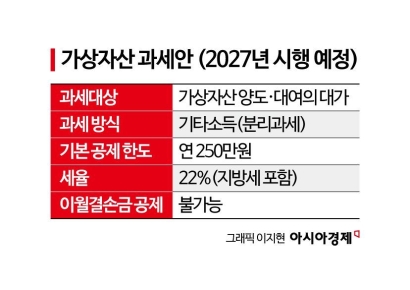 "Stocks Are Not Taxed, but Annual Crypto Gains Over 2.5 Million Won to Be Taxed Next Year... Investors Push Back"
- "Not Jealous of Winning the Lottery"... Entire Village Stunned as 200 Million Won Jackpot of Wild Ginseng Cluster Discovered at Jirisan
- "Jeong Yu-kyung Is a Neighbor"...Itaewon Standalone House with Record 23.2 Billion Won Appraisal Up for Auction [Real Estate AtoZ]
- "How Did an Employee Who Loved Samsung End Up Like This?"... Past Video of Samsung Electronics Union Chairman Resurfaces
- "Even With a 90 Million Won Salary and Bonuses, It Doesn’t Feel Like Much"... A Latecomer Rookie Who Beat 70 to 1 Odds [Scientists Are Disappearing] ③
© The Asia Business Daily(www.asiae.co.kr). All rights reserved.







