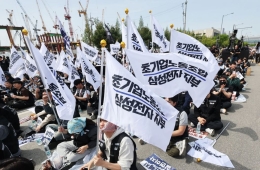
Instead of Loudspeakers, Shorts and Promotional Calls... Presidential Election Promotion 'Flood', Citizens See It as 'Pollution'
Phone Rings Several Times a Day
Pain for Those Uninterested
Some View SNS Promotion as Accelerating 'Political Hatred'

[Asia Economy Reporter Jeong Dong-hoon] "Hello, I am presidential candidate Heo Kyung-young.", "This is the polling specialist ***."
Sales representative Goseong-dong (33) from an insurance company said, "Due to the nature of my work, I am always waiting for customer calls, but I often get annoyed and bothered by the multiple presidential election promotion calls and polling calls I receive daily," adding, "For people who are not very interested in politics, it is nothing but pollution."
Citizens are complaining about the ‘pollution’ caused by random promotional and polling calls related to the 20th presidential election. With loudspeakers gone in this election, what newly irritates citizens’ ears are random promotional calls and social network service (SNS) promotional content.
The so-called ‘Heo Kyung-young calls,’ identified as the main culprit of this pollution, do not violate election laws. While they must not contain content supporting or opposing a specific candidate, anyone can encourage voter participation. Since phone numbers are not obtained from specific individuals but are randomly extracted through service companies in a polling-like manner, it is difficult to consider this an illegal use of personal information. Given this situation, methods to block promotional calls are being shared mainly on online communities. Because the numbers are not leaked but virtual numbers provided by telecom companies, there are different blocking methods depending on the telecom provider.
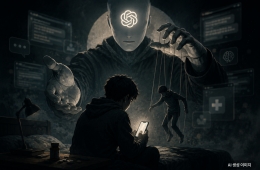
This election is taking place amid the COVID-19 spread phase, leading to a flood of non-face-to-face promotional content. SNS election campaigns targeting unspecified masses through mobile messengers or video platforms are replacing past outdoor rallies or gymnasium speeches. While offline distribution of campaign materials like pledge brochures is strictly regulated in terms of quantity, there are no restrictions on promotional materials using SNS, so political parties and politically related YouTubers are producing large volumes of short videos called ‘shorts.’ Especially in this election, rife with various allegations and issues such as real estate development favoritism and family corruption suspicions, there is a perspective that such content accelerates ‘political disgust’ rather than promoting policies.
Hot Picks Today
 No Bacteria Detected in Arisu After 24 Hours of Repeated Drinking from a Tumbler
- "I Feel Uncomfortable Being Filmed"... Cheerleaders Distressed by Commercial Fan Cam Practices
- Staring at Stock Charts Causes 'Hwabyeong'... "What Have I Even Been Doing?" FOMO Spreads Amid Soaring KOSPI
- High-Net-Worth Investors Increase Stock Holdings: "Samsung and SK hynix Are Basic, Now Searching for the Next Opportunity" [Investment Strategies of the Wealthy] ⑧
- Police Officer Cycling on Day Off Rescues Woman Attempting to Jump from Hangju Bridge
Job seeker Kim Seol-hee (28) said, "I enjoy shorts when using public transportation, but even if I try not to watch, there is too much presidential election-related content," adding, "Most presidential candidates are surrounded by various allegations, and videos where they smile and appeal for support are hard to accept."
© The Asia Business Daily(www.asiae.co.kr). All rights reserved.