"‘Oipul Root Extract Shows Superior Anticancer Effects... Tripled When Combined with Existing Drugs’"
Hanuiyeon Discovers Anti-Cancer Treatment Substance in 'Jiyu'
Effect Verified and Published in International Journal

[Asia Economy Reporter Kim Bong-su] An anti-cancer treatment substance has been discovered in the root of Oipul called 'Jiyu.' It shows a stronger cancer cell suppression effect than the previously discovered Bokbunja extract, and notably, when administered together with existing immune checkpoint inhibitors, it exhibits more than three times the anti-tumor effect, drawing attention.
The Korea Institute of Oriental Medicine announced on the 12th that Dr. Jeong Hwan-seok's research team at the Oriental Medicine Technology Application Center identified an additional candidate substance for an oriental medicine-based immune checkpoint inhibitor from the root of Oipul 'Jiyu' and verified its effects. The research results were published in the international journal Frontiers in Immunology (IF=7.561).
Immune checkpoint inhibitors are treatments that prevent cancer cells from evading the immune system or enhance immune cells' ability to attack cancer cells. These include immune checkpoint inhibitors, cancer vaccines, and immune cell therapies. Unlike conventional treatments that attack cancer cells directly, they are recognized as next-generation anti-cancer therapies that improve immune function to treat cancer.
Currently, immune checkpoint inhibitors are the most widely used immune-oncology treatments, with seven approved products. However, due to low response rates (2 out of 10 patients) and side effects such as immune hypersensitivity reactions, there is a need to discover new materials to complement these therapies.
The research team conducted a study on changes in tumor size according to administered drugs using a colorectal cancer animal model and found that the Jiyu extract effectively blocks PD-1/PD-L1 binding, thereby inhibiting tumor growth.
The team confirmed that the Jiyu extract induced over 60% tumor (cancer) cell death. Additionally, when combined with the existing immune checkpoint inhibitor Keytruda, the Jiyu extract showed more than three times the anti-tumor effect compared to each agent alone, demonstrating a strong synergistic anti-tumor effect.
In June, the research team also received approval for a phase 2a clinical trial plan for 'KIOM-ICI-1' (Bokbunja), an oriental medicine-based anti-cancer candidate substance with proven safety. It was confirmed that 'KIOM-ICI-1,' extracted from Bokbunja, enhances immune cell (T-cell) activity and suppresses tumor size by more than 50%.
This candidate substance discovery not only showed efficacy as a monotherapy but also revealed a therapeutic synergistic effect when combined with the immune checkpoint inhibitor Keytruda used in current clinical settings.
Dr. Lee Eun-ji of the Oriental Medicine Technology Application Center stated, “This anti-cancer immune candidate substance is based on the safe oriental medicine material ‘Jiyu.’ It has significant meaning as it shows excellent therapeutic synergy with the existing immune checkpoint inhibitor ‘Keytruda.’ Through continuous follow-up studies such as drug interaction research and clinical trials, we aim to contribute to public health by developing an anti-cancer treatment without side effects like hair loss or liver toxicity.”
Hot Picks Today
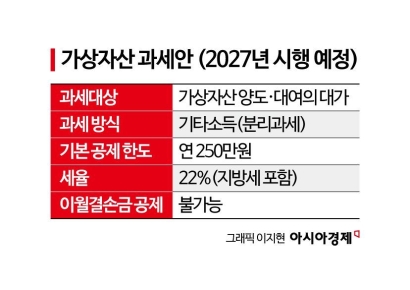 "Stocks Are Not Taxed, but Annual Crypto Gains Over 2.5 Million Won to Be Taxed Next Year... Investors Push Back"
- "Not Jealous of Winning the Lottery"... Entire Village Stunned as 200 Million Won Jackpot of Wild Ginseng Cluster Discovered at Jirisan
- "Even With a 90 Million Won Salary and Bonuses, It Doesn’t Feel Like Much"... A Latecomer Rookie Who Beat 70 to 1 Odds [Scientists Are Disappearing] ③
- "Rather Than Endure a 1.5 Million KRW Stipend, I'd Rather Earn 500 Million in the U.S." Top Talent from SNU and KAIST Are Leaving [Scientists Are Disappearing] ①
- "How Did an Employee Who Loved Samsung End Up Like This?"... Past Video of Samsung Electronics Union Chairman Resurfaces
Meanwhile, Oipul is a plant native to Korea, named because its leaves emit a cucumber-like smell when rubbed. It is also called 'Gwache' or 'Oeinamul' (cucumber greens).
© The Asia Business Daily(www.asiae.co.kr). All rights reserved.







