Aquaculture Seafood Mortality Rate at 16%... Strengthening Continuous Surveillance of Farms and More
Ministry of Oceans and Fisheries Establishes 3rd Fisheries Disease Management Plan
Legal Basic Plan Applicable from This Year to 2025
![[Image source=Yonhap News]](http://www.asiae.co.kr/news/img_view.htm?img=2021030109433199081_1614559412.jpg)
[Sejong=Asia Economy Reporter Moon Chaeseok] Amid mortality rates reaching up to 16% for species such as flatfish and spotted seabass, the government has decided to significantly strengthen continuous surveillance of fish farms and lakes. The target rate for continuous surveillance, currently at 23% this year, is planned to be increased to 27% by 2025.
The Ministry of Oceans and Fisheries announced the '3rd Fisheries Biological Disease Management Plan (2021?2025)' on the 3rd. According to the ministry, aquaculture production volume increased by 23.5% and production value by 23.9% over the five years from 2016 to last year. However, the mortality rate of domestically farmed aquatic species such as flatfish and spotted seabass ranged from 9% to 16%. Since the enactment of the 'Fisheries Biological Disease Control Act' in December 2007, the ministry has established statutory basic plans every five years. The third plan aims to establish a disease management system encompassing 'prevention-diagnosis-post management.'
First, to strengthen the prevention system, continuous surveillance of fish farms and lakes will be significantly enhanced, raising the rate from 23% this year to 27% by 2025. Next year, major diseases including amphibians will be added to quarantine targets. The ministry will evaluate the risk of new overseas diseases and consider adding quarantine standards accordingly. Additionally, rapid simple diagnostic kits that can be used on-site will be further developed and distributed. The number of kits, which was one type last year, will increase to eight by 2025, and diagnostic time will be reduced from five days to 20 minutes.
Furthermore, eco-friendly treatment methods for aquaculture water and low-cost, high-efficiency carcass disposal devices will be developed. Procedures and standards for the entry of aquatic organisms and equipment into fish farms will be established in accordance with international standards at each stage of disease occurrence. Fisheries biological disease information and quarantine and prevention information will be integrated to build scientific disease statistical data based on information and communication technology and big data. The introduction of an e-quarantine certification system, which allows electronic exchange of quarantine certificates between major seafood trading countries, will also be pursued.
Choi Hyun-ho, Director of the Fisheries and Aquaculture Policy Division at the Ministry of Oceans and Fisheries, said, "Through this 3rd plan, we will minimize damage to the aquaculture industry caused by fisheries biological diseases, create sustainable fisheries, and enhance our status as a nation ensuring the safety of aquatic organisms."
Hot Picks Today
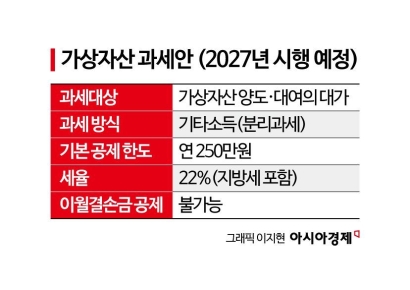 "Stocks Are Not Taxed, but Annual Crypto Gains Over 2.5 Million Won to Be Taxed Next Year... Investors Push Back"
- "Not Jealous of Winning the Lottery"... Entire Village Stunned as 200 Million Won Jackpot of Wild Ginseng Cluster Discovered at Jirisan
- "Even With a 90 Million Won Salary and Bonuses, It Doesn’t Feel Like Much"... A Latecomer Rookie Who Beat 70 to 1 Odds [Scientists Are Disappearing] ③
- "Rather Than Endure a 1.5 Million KRW Stipend, I'd Rather Earn 500 Million in the U.S." Top Talent from SNU and KAIST Are Leaving [Scientists Are Disappearing] ①
- "How Did an Employee Who Loved Samsung End Up Like This?"... Past Video of Samsung Electronics Union Chairman Resurfaces

The 3rd Vision and Promotion Tasks for Aquatic Animal Disease Management. (Source: Ministry of Oceans and Fisheries)
View original image© The Asia Business Daily(www.asiae.co.kr). All rights reserved.







