Gwangju Metropolitan Office of Education Supports Vulnerable Students with Customized Packages

[Asia Economy Honam Reporting Headquarters, Reporter Yoon Jamin] The Gwangju Metropolitan Office of Education (Superintendent Jang Hwikuk) announced on the 21st that since last month, it has been supporting vulnerable students affected by COVID-19 with ‘customized packages’ consisting of quarantine supplies, food, learning materials, and hygiene products.
The ‘customized package’ support project is being carried out as part of the Gwangju Office of Education’s Priority Support Project for Educational Welfare.
Schools including Gwangsan Middle School, Dongsin Middle School, and Sinyong Elementary School have been continuously identifying vulnerable students since last month and providing various ‘customized packages’ tailored to their situations to each household.
At Gwangsan Middle School, where 40% of the entire student body are educational welfare target students, educational welfare staff conducted first (March 25-27) and second (April 13-17) home visits to identify students’ needs and requests.
They provided items necessary for remote classes as well as essentials for daily life such as rice, ramen, toilet paper, stationery, and quarantine supplies.
Principal Lee Geum of Gwangsan Middle School said, “Having three meals a day is very important for students participating in remote classes while practicing social distancing,” adding, “We will continue to support educational welfare target students so that they can participate in remote classes in a stable environment and achieve balanced learning, creating a school where everyone lives together.”
Dongsin Middle School also delivered ‘customized packages’ for food ingredient support to vulnerable students’ homes on the 20th through visits by homeroom teachers and educational welfare staff.
In particular, during a home visit at Dongsin Middle School, they found a student living on one meal a day by eating instant food due to a broken rice cooker.
Judging that case management was necessary, after consultation with the Student Welfare Review Committee, they provided home appliances (rice cooker) to the student.
At Sinyong Elementary School, educational welfare staff listened to students’ opinions during home visits and then supported them by packing the most needed items such as rice, ramen, toilet paper, and stationery into packages.
An educational welfare staff member at Sinyong Elementary said, “During the process of supporting the ‘customized packages,’ natural communication with the parents of the target students was established,” adding, “Through this communication, we were able to understand more deeply the difficulties the students were experiencing.”
Superintendent Jang Hwikuk said, “Our Office of Education is doing its best to actively support students in educational welfare blind spots so that all vulnerable students can overcome COVID-19 healthily,” and added, “We will carry out more proactive administration to ensure that no child is left behind.”
Hot Picks Today
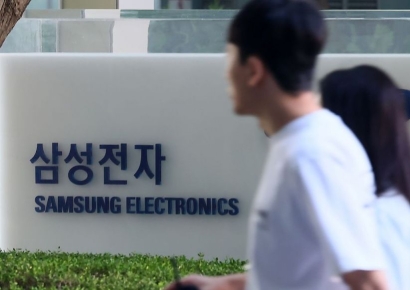 "Samsung Electronics Employee with 100 Million Won Salary Receiving 600 Million Won Bonus... Estimated Tax Revealed"
- At President Lee's Call to "Give Enough to Shock," Whistleblower Rewards Become a Real Lottery
- Lived as Family for Over 30 Years... Daughter-in-Law Cast Aside After Husband's Death
- "Is This Car Waterproof?" US Man in His 70s Makes Dramatic Escape After Driving Cybertruck Into Lake, Trusting Its Features
- Appearing in a Leather Jacket, Jensen Huang Hastily Eats $6 Noodles on the Street... Shop Instantly Becomes a Hotspot
Meanwhile, the Office of Education designates schools with many vulnerable students as ‘Priority Support Project Schools for Educational Welfare’ and operates them accordingly. There are 105 such schools in the jurisdiction (61 elementary schools, 40 middle schools, and 4 special schools), striving to support the educational growth of vulnerable groups and eliminate educational opportunity inequality.
© The Asia Business Daily(www.asiae.co.kr). All rights reserved.