Seoul City Supports Public Housing Move-in by Identifying Vulnerable Groups in Ssokbang and Gosiwon
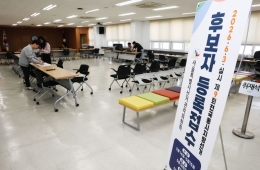
[Asia Economy Reporter Lim Onyu] On the 23rd, the Seoul Metropolitan Government announced that it will identify individuals living in poor conditions in non-residential types of housing such as jjokbang, gosiwon, and yeoinsuk, and provide close support throughout the entire process from moving into public rental housing to self-sufficiency and care.
First, the city plans to actively identify non-residential residents who meet the criteria for public rental housing admission through outreach counseling. For the identified non-residential residents, the city will support procedures such as finding public rental housing to move into and applying for admission. Economic burdens will also be reduced by offering zero deposit options.
The target group includes those who have lived in non-residential housing such as jjokbang, gosiwon, and yeoinsuk for more than three months. Support is available for non-homeowners whose income is 50% or less of the previous year's average monthly urban worker income, with total assets under 196 million KRW and automobiles valued under 25 million KRW.
Moving expenses, daily necessities, and cleaning services will also be provided. After moving in, the city plans to offer comprehensive support such as self-sufficiency services including vocational training, care services, and the formation of local communities to help residents settle stably in their new areas.
The target areas for identifying candidates are five non-residential dense areas within Seoul: ▲Jung-gu (Hoehyeon-dong, Jungnim-dong, Hwanghak-dong) ▲Yongsan-gu (Dongja-dong, Galwol-dong) ▲Dongjak-gu (Noryangjin-dong, Sangdo-dong) ▲Gwanak-gu (Daehak-dong, Seorim-dong) ▲Guro-gu (Garibong-dong, Guro 2, 3, and 4-dong).
Hot Picks Today
 "Do We Need to Panic Buy Again?" War Drives 30% Price Surge... Even the Bedroom Feels the Impact
- "Suspicious Timing?"...Trump Traded Stocks After Praising Wartime Capabilities
- Trump: "U.S. and Nigerian Forces Eliminate IS Number Two Worldwide"
- "Anyone Who Visited the Room Salon, Come Forward"… Gangnam Police Station Launches Full Staff Investigation After New Scandal
- "Contact Me First If Houses Are Built": Wealthy Clients Eyeing... Will Ultra-High-End Residences Worth 20 Billion Won Be Developed? [Real Estate AtoZ]
The Seoul Metropolitan Government stated, "Through this project, we will actively support the housing upgrade of non-residential residents, who are considered the last residential space for the impoverished class." The plan is to provide practical support for those who want to move into public housing but have been excluded from information, faced economic difficulties, or had to give up moving due to fears of environmental changes after relocation.
© The Asia Business Daily(www.asiae.co.kr). All rights reserved.