US Considers Expanding 'Investment Immigration' to Mitigate Economic Impact of COVID-19
[Asia Economy Reporter Naju-seok] The United States is reportedly considering expanding investment immigration for wealthy immigrants to improve the economic situation, which has been hit hard by the spread of the novel coronavirus infection (COVID-19).
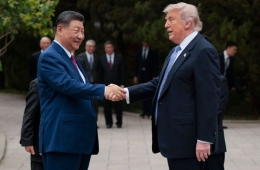
On the 18th (local time), the U.S. political media outlet Politico reported that the U.S. government is reviewing plans to expand the investment immigration (EB-5 visa) program. According to sources cited in the report, the U.S. government aims to increase the number of visas provided annually from 10,000 to 75,000 and lower the legal residence requirement from the current $900,000 to $450,000.
However, it is known that there are concerns within the Trump administration about a possible surge in Chinese immigrants. RJ Hauman, director of the Federation for American Immigration Reform (FAIR), pointed out, "Giving more immigration opportunities to people from where COVID-19 started (referring to China) while citing COVID-19 as a reason would be the worst choice in American politics."
Hot Picks Today
 "Do We Need to Panic Buy Again?" War Drives 30% Price Surge... Even the Bedroom Feels the Impact
- "Is a 10,000 KOSPI Breakthrough Possible?" Target Index Raised by 40%... Securities Firms Release Outlook [Weekend Money]
- "Contact Me First If Houses Are Built": Wealthy Clients Eyeing... Will Ultra-High-End Residences Worth 20 Billion Won Be Developed? [Real Estate AtoZ]
- "Anyone Who Visited the Room Salon, Come Forward"… Gangnam Police Station Launches Full Staff Investigation After New Scandal
- Trump's Remark on "Detailed Talks with Xi Jinping on Taiwan Arms Sales" Sparks Controversy... Taiwan Moves to Defuse Tensions (Comprehensive)
The investment immigration visa system was introduced to revitalize rural and economically distressed urban areas. Initially, the minimum investment amount was $500,000, but during Donald Trump's presidency, the investment amount increased and the requirements became more stringent.
© The Asia Business Daily(www.asiae.co.kr). All rights reserved.