
According to Seoul National University Hospital on May 19, a joint research team led by Professor Park Minseon of the Department of Family Medicine at Seoul National University Hospital and Professor Seo Minjeong of the Department of Family Medicine at Seoul Metropolitan Boramae Hospital analyzed the association between energy intake-expenditure balance (EIEB) and sleep duration among 13,164 adults who participated in the Korea National Health and Nutrition Examination Survey in 2019, 2020, and 2022.
The researchers calculated an "energy intake-expenditure balance" indicator by subtracting the amount of energy expended through basal metabolic rate and physical activity from the daily caloric intake. The closer this value is to zero, the more balanced one's caloric intake and expenditure are. A negative value indicates insufficient caloric intake, while a positive value means the individual consumed more calories than expended.

'Caloric Balance' Is More Important Than Simply Fasting
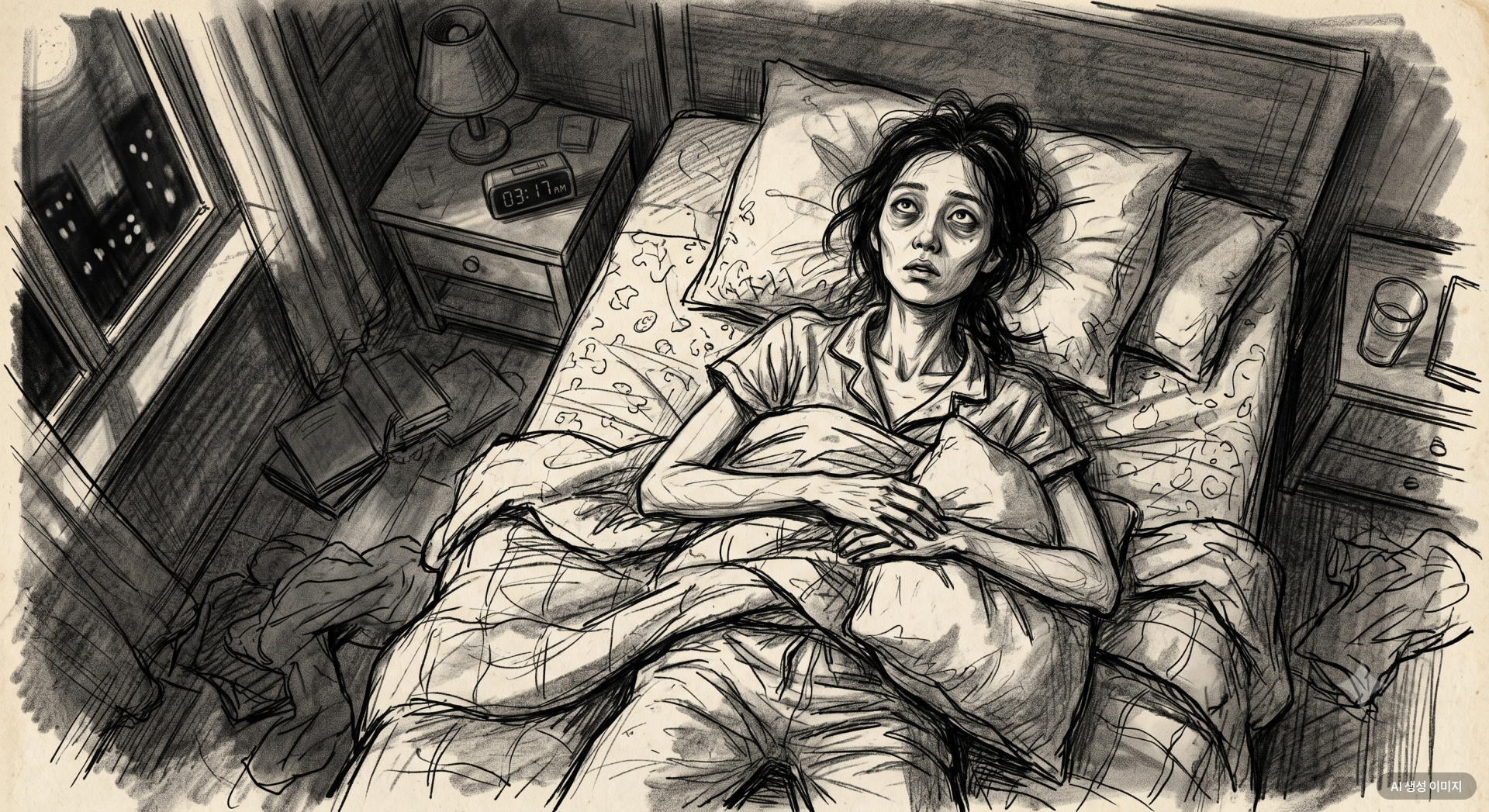
The analysis showed a clear association between energy balance and sleep duration among women. Compared to the group with the most severe energy deficit (the first quartile), the group with a relatively balanced intake and expenditure (the second quartile) had a 29% lower risk of short sleep duration. In this study, short sleep was defined as six hours or less per night.
Even the third quartile (with surplus energy) and the fourth quartile (with excessive intake) had 25% and 24% lower risks of short sleep, respectively, compared to the first quartile. However, the improvement in sleep was most pronounced in the second quartile group, which had the best balance, rather than in the fourth quartile, which consumed the most energy.
This means that it is not simply eating more that leads to better sleep, but rather that consuming an appropriate amount of energy matched to one's activity level is more important for quality sleep. The researchers explained that dieting methods focused solely on eating less or only increasing exercise may actually interfere with women's sleep.


Greater Impact on Women's Sleep Than Men's
In contrast, this association was not observed in men. The research team pointed to sex-based differences in neuroendocrine-immune regulation as the underlying reason for this result appearing only in women.
Our bodies use about 400 kcal of energy during sleep to activate immune cells and regulate inflammation. If energy is excessively lacking at this time, the HPA axis related to stress response is activated, which can interfere with quality sleep.

Women, in particular, are known to be more sensitive to changes in hormones related to metabolism and immunity, such as cortisol (a stress hormone) and leptin (an appetite-regulating hormone). The research team suggested that if women lack the energy needed for nighttime recovery, their sleep may be more affected than men's.
Professor Park stated, "This study confirmed that dieting by simply eating less or only increasing exercise can actually harm sleep," adding, "For women, maintaining a balance by eating appropriately according to their activity level is a key factor for quality sleep."
-

Reporter Park Eunseo rloseo8@asiae.co.kr
-
Edit Choo Myeonghoon chox2mh@asiae.co.kr
© The Asia Business Daily(www.asiae.co.kr). All rights reserved.