

People with larger Seonjoche font tend to have stronger impulsive and thrill-seeking tendencies
It has been found that individuals with psychopathic tendencies have a larger brain region responsible for reward and motivation compared to the general population. The research team suggested that impulsivity and sensation-seeking tendencies may be related to structural differences in the brain.
According to scientific media outlet Science Daily on May 10, a joint research team from Nanyang Technological University in Singapore and Pennsylvania State University and California State University in the United States published a paper in the Journal of Psychiatric Research, stating, "People with strong psychopathic tendencies have a striatum—an area of the brain involved in reward and motivation—that is on average about 10% larger."
The research team conducted MRI scans and Psychopathy Checklist-Revised (PCL-R) interviews on 120 adults in the United States.
The results showed that people with strong psychopathic tendencies had, on average, a larger striatum than the control group. The striatum is located deep within the forebrain and is involved in motor planning, decision-making, motivation, and reward response.
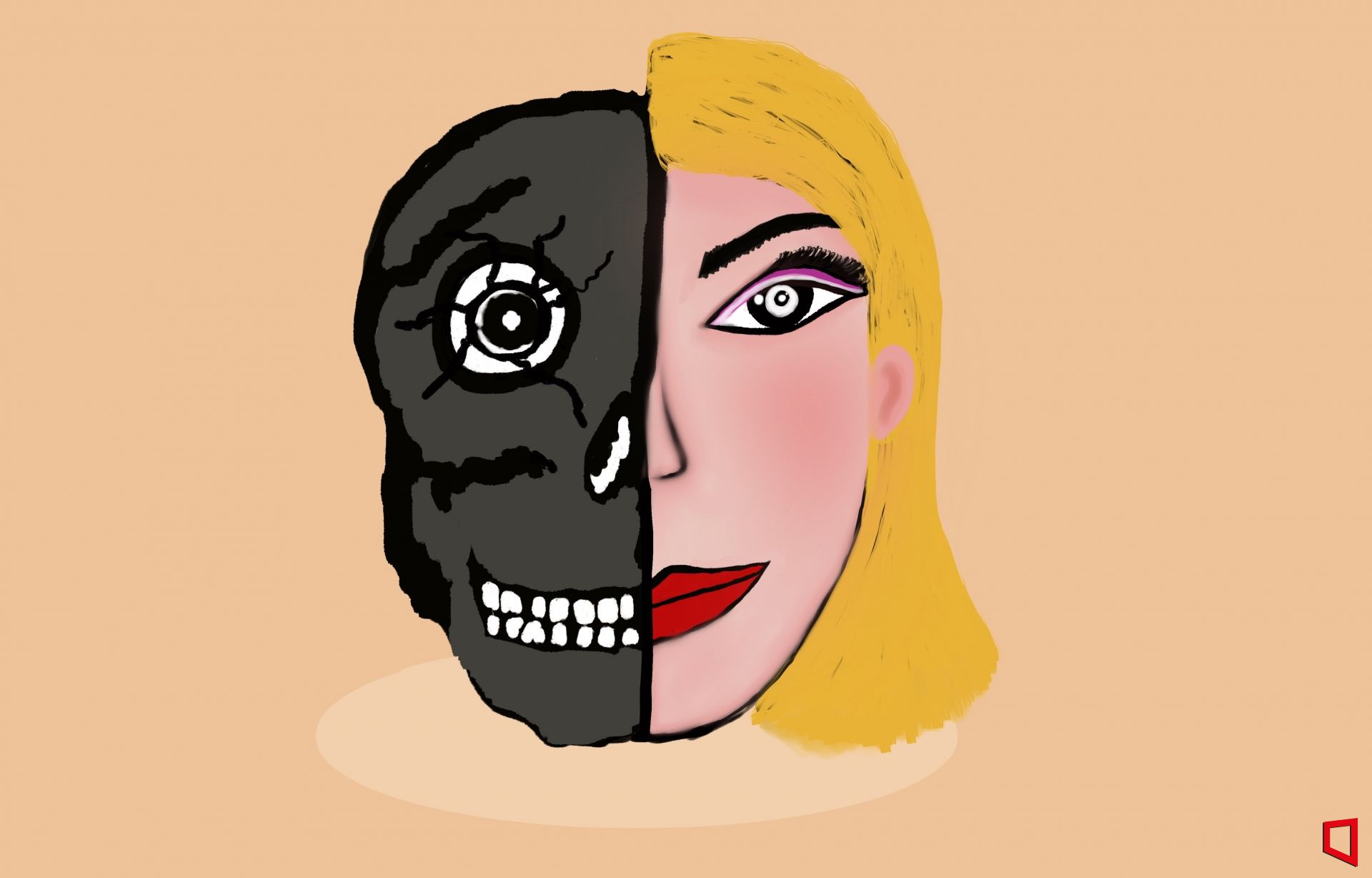
MRI analysis shows it is on average 10% larger than that of the general public
Psychopathy is generally associated with egocentric and antisocial tendencies. People with these traits lack empathy and typically do not feel guilt for actions that harm others.
The researchers explained that these findings suggest that psychopathic tendencies are not formed solely through social or environmental factors. Co-author Olivia Choy, a professor at Nanyang Technological University, said, "This is a result that helps us understand the underlying causes of antisocial behavior," adding, "It is necessary to consider not only social and environmental influences but also biological differences such as brain structure size."
The team also explained that the striatum may be involved not only in motor and reward functions but also in social behavior and social dysfunction. When comparing MRI results with psychopathy assessments, they found that the larger the striatum, the stronger the tendency for thrill-seeking, excitement-seeking, and impulsive behavior. The study analyzed that sensation-seeking and impulsivity account for about 49.4% of the association between striatum size and psychopathy.
Co-author Adrian Raine, a professor at the University of Pennsylvania, stated, "Biological characteristics such as striatum size can be inherited from parents," and "This supports the possibility that the brains of people with psychopathic tendencies may not have developed normally during childhood and adolescence."
This study is also noteworthy for focusing on members of the general community rather than correctional facility inmates. Co-author Robert Schug, a professor at California State University, Long Beach, explained, "This is an approach that helps us understand psychopathic tendencies in people living their everyday lives outside of prison."
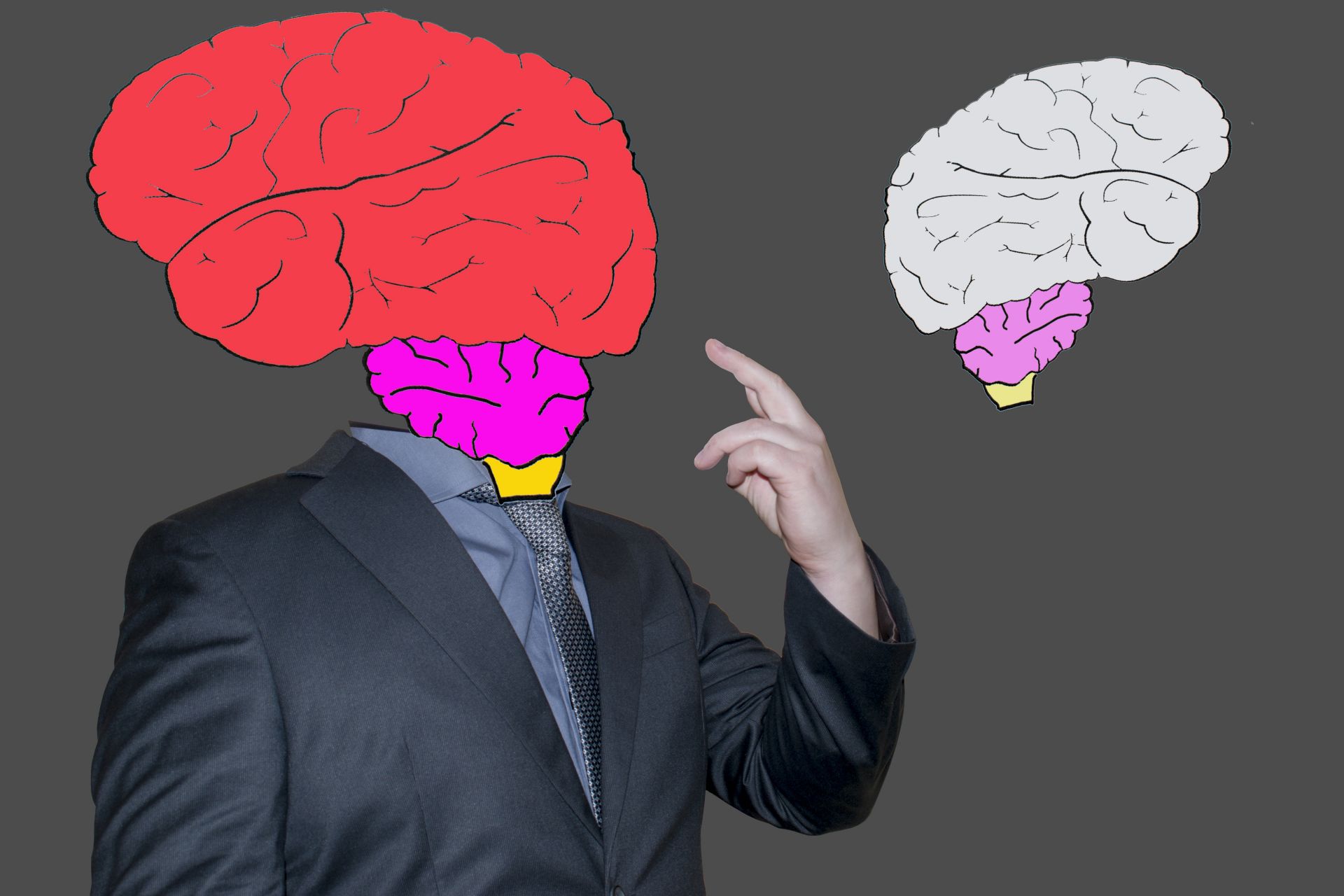
Expert: "Psychopaths are influenced not only by environment but also by brain structure"
"Attention should also be paid to the connection with brain development during childhood and adolescence"
The research team also analyzed data from 12 female participants. As a result, the association between enlarged striatum and psychopathic tendencies was found not only in men but also in women. However, they noted that due to the small sample size of women, further research is needed.
The team also highlighted that, in general developmental processes, the size of the striatum tends to decrease with age. Accordingly, they explained that psychopathic tendencies may be related to differences in brain development during childhood and adolescence. Professor Choy said, "Psychopathic tendencies may be associated with structural abnormalities in the brain that appear during development," but added, "It is also important to consider that the environment can influence the structure of the striatum."
Professor Raine stated, "It is well known that people with psychopathic tendencies are extremely driven to pursue actions for rewards, such as property crimes, sex offenses, and substance abuse," and explained, "This study presents a neurobiological basis for such impulsive and sensation-seeking behavior."
-

Reporter Yun Seulgi seul97@asiae.co.kr
-
Edit Kang Dongwon kangdw76@asiae.co.kr
© The Asia Business Daily(www.asiae.co.kr). All rights reserved.