U.S. Brand Development and Revenue Collection in Japan: The Dual Strategy
K-pop’s “most lucrative stage” is now Japan. While the U.S. serves as a market for building global recognition and symbolic status, Japan is a key hub where concerts, album sales, and merchandise consumption are organically linked to generate substantial profits. As the core axis of the fandom economy shifts toward live performances, Japan has established itself as the most stable revenue market for the K-pop industry.
BTS World Tour 'BTS WORLD TOUR 'ARIRANG' IN TOKYO' performance held at Tokyo Dome, Japan. Big Hit Music
TVXQ, aespa, and Twice Fill Japan’s Largest Venues
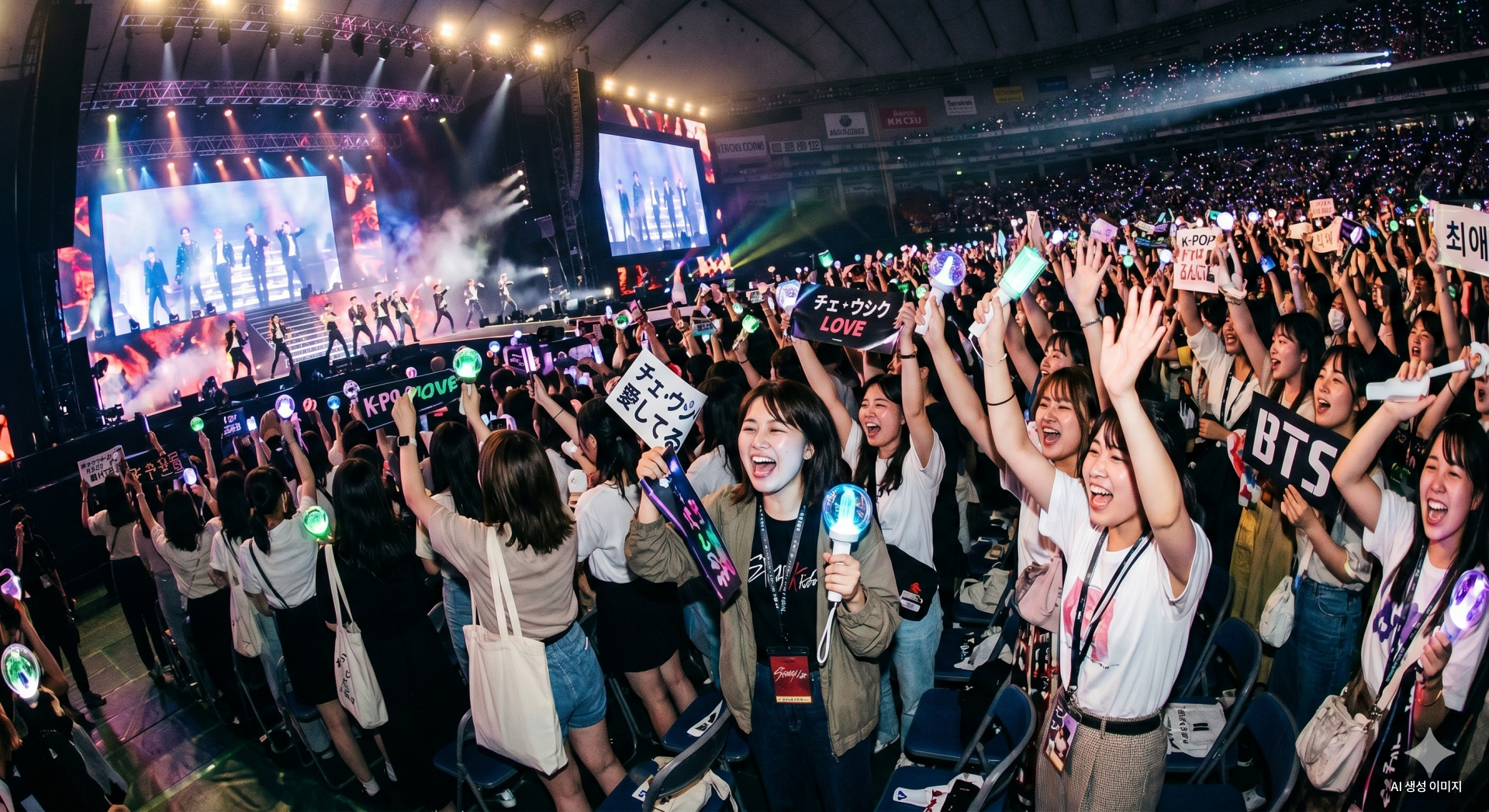
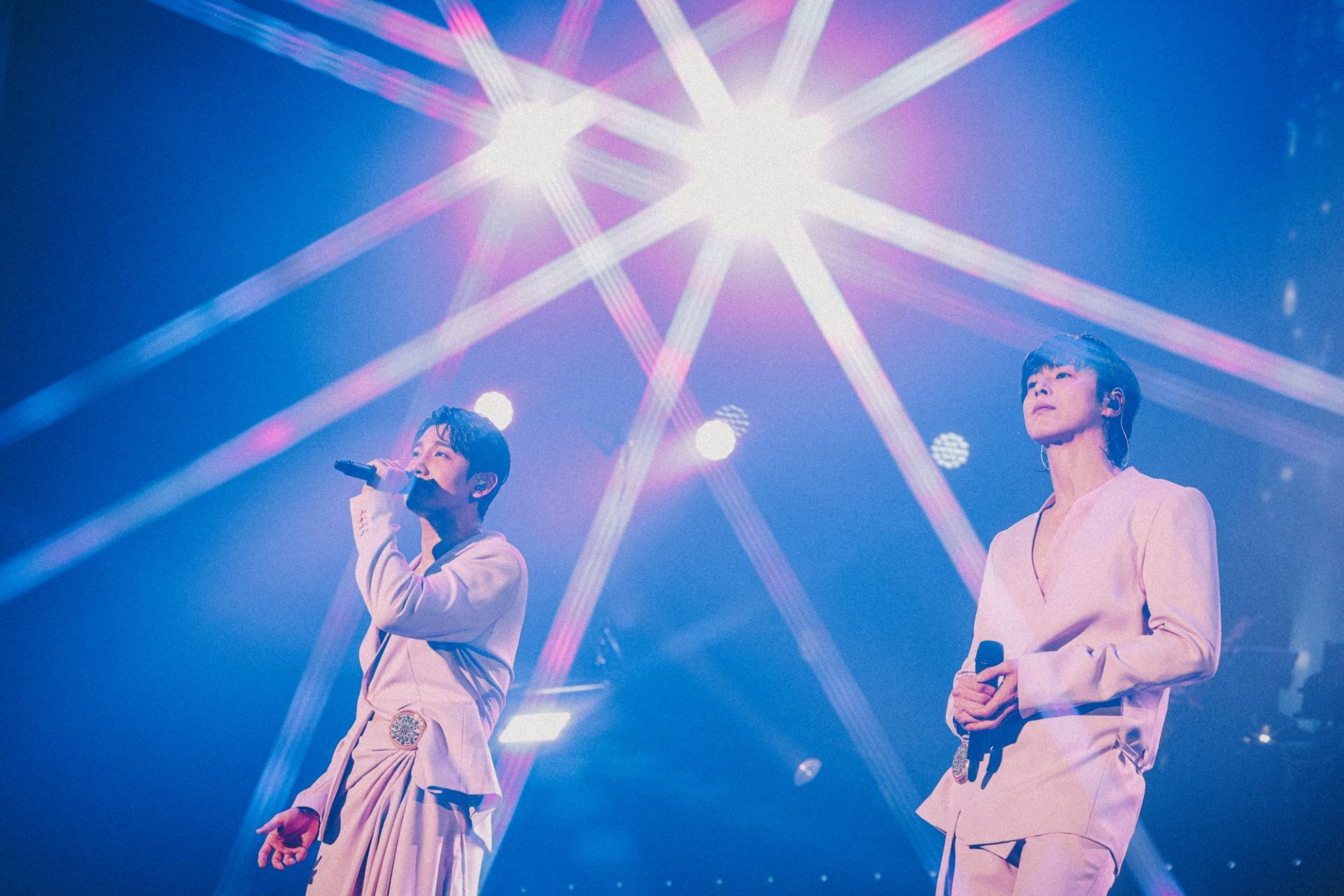
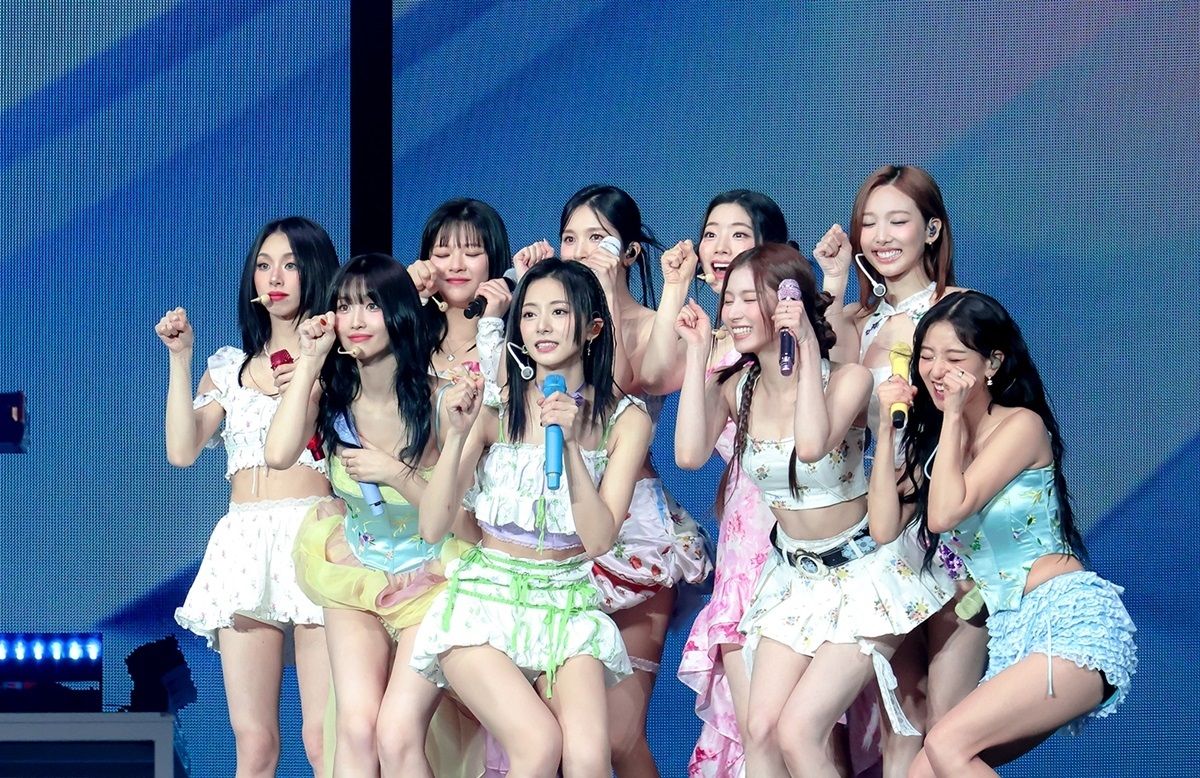
According to the music industry on May 11, at the end of last month, major concert venues in the Tokyo metropolitan area of Japan continued to attract K-pop fans. TVXQ performed at Nissan Stadium in Yokohama, aespa at Tokyo Dome, Twice at Tokyo National Stadium, and Day6 took the stage at Keio Arena. From 2nd-generation TVXQ to 4th-generation aespa, K-pop artists across generations are filling Japan’s largest venues, proving their local influence.
Even 20 years after their Japanese debut in 2005, TVXQ still stands on the stage of Nissan Stadium. Their concerts on April 25–26 drew 130,000 attendees over two days. Since 2006, they have held 265 solo tours in Japan, accumulating a total audience of 6.31 million. With a capacity of up to 75,000 per event, Nissan Stadium is one of Japan’s premier mega-venues.
aespa is also quickly scaling up in Japan. Their Osaka Kyocera Dome concert last month drew 76,000 attendees, while their Tokyo Dome show attracted 94,000. The two dome concerts alone brought in a total of 170,000 fans.
Twice’s presence is equally commanding. Last month, they held a three-day concert at Tokyo National Stadium, attracting 240,000 attendees. Not only among K-pop groups, but among all overseas artists, Twice became the first to hold a solo concert at Japan’s National Stadium.
TVXQ 130,000 attendees over two-day performances last month 265 solo tours in Japan since 2006 Total cumulative audience of 6.31 million
aespa 76,000 attendees at last month's Osaka Kyocera Dome concert 94,000 attendees at Tokyo Dome concert
Twice 240,000 attendees over three days last month at Tokyo National Stadium First overseas artist to hold a solo concert at Japan's National Stadium
Infrastructure Strength: Domes, Arenas, and Stadiums in Series
Japan is now expanding beyond concerts to become a consumption hub for all of K-culture. CJ ENM hosted ‘KCON JAPAN 2026’ from May 8–10 at Makuhari Messe in Chiba Prefecture. This year’s event evolved into a festival-style platform, featuring experiential zones for K-beauty, K-food, and K-content. Last year, the same venue saw 110,000 attendees over three days, and cumulative local audience numbers have surpassed 2 million.
Japan’s biggest strength is its scale. According to the International Federation of the Phonographic Industry (IFPI), Japan was the world’s second-largest music market as of 2025. The market grew by 8.9% year-on-year. Notably, Japan remains one of the world’s most active countries for physical album (CD) sales. Unlike the U.S., where streaming dominates, in Japan, purchasing physical albums still functions as a key indicator of fandom loyalty.
An executive from a major entertainment company commented, “Japan is a highly profitable market because album and video sales outweigh digital music sales. Another advantage is the stable and repeated consumption by the fandom.”
From Tickets to Albums, Merchandise, and Fan Club Sales
Japan’s robust concert infrastructure is also cited as a competitive advantage. Large venues such as Tokyo Dome, Kyocera Dome Osaka, Vantelin Dome Nagoya, Fukuoka PayPay Dome, and Nissan Stadium are evenly distributed across major cities, enabling stable tour operations. The growth model—starting with arena tours to gauge fandom size, then expanding to domes and stadiums—has become firmly established.
In particular, Japan has an abundance of arena-level venues accommodating 10,000 to 30,000 people. According to Japan’s Ministry of Economy, Trade and Industry, arenas attracted the most concertgoers last year. With around 30 arenas nationwide, Japan’s tiered venue structure—from small clubs to domes and stadiums—supports both domestic and international tours.
In contrast, South Korea continues to face criticism for its lack of performance infrastructure relative to the size of its K-pop market. Only KSPO DOME (formerly Gymnastics Arena) and Gocheok Sky Dome can accommodate over 10,000 people. Seoul World Cup Stadium is difficult to book due to turf maintenance, and Jamsil Main Stadium is under renovation. Additionally, sports schedules and weather conditions further limit the hosting of large-scale concerts.
An entertainment agency representative said, “There is plenty of domestic fandom demand, but the shortage of suitable venues forces many artists to turn to overseas tours. Japanese tours are a realistic solution to this limitation.”
Scenes from 'KCON JAPAN 2026' held at Makuhari Messe, Chiba Prefecture, Japan, from the 8th to the 10th. Photo by UPI News Agency
The financial sector is also paying close attention to the Japanese market. In a recent report, Goldman Sachs noted that artists under HYBE, JYP, and SM accounted for about 7% of Japan’s live music market, with this share expected to potentially double this year. Despite the weak yen, concert ticket prices continue to rise, supporting revenue growth for entertainment companies.
Lee Kihoon, a researcher at Hana Securities, explained, “While U.S. tours focus on elevating global stature, Japanese tours serve as cash cows, generating tangible operating profit through high audience turnout and merchandise sales. Whether an entertainment company has artists capable of dome tours has become a key metric for corporate valuation.”
Kim Jinwoo, chief research fellow at Circle Chart, also stated, “The Japanese market is characterized by a strong ‘long-tail’ effect, where fandoms, once established, are maintained over long periods. The combination of infrastructure and fan culture that allows veteran artists to continue performing in stadiums is creating a stable revenue model for K-pop.”








![[Real-life Finance] Jeonse Shortage Persists...Tenants Should Secure Renewal Rights and Apply for Phase 3 New Town Housing](https://cwcontent.asiae.co.kr/asiaresize/304/2025062709264424349_1750984005.jpg)