▶"Is the 'No Japan' Era Over?"...Japanese Beer Makes a Comeback

Despite being priced about 30 to 60% higher than Korean beer, sales of Japanese Sapporo Beer in Korea increased by 83% compared to the previous year. The Asia Business Daily Database
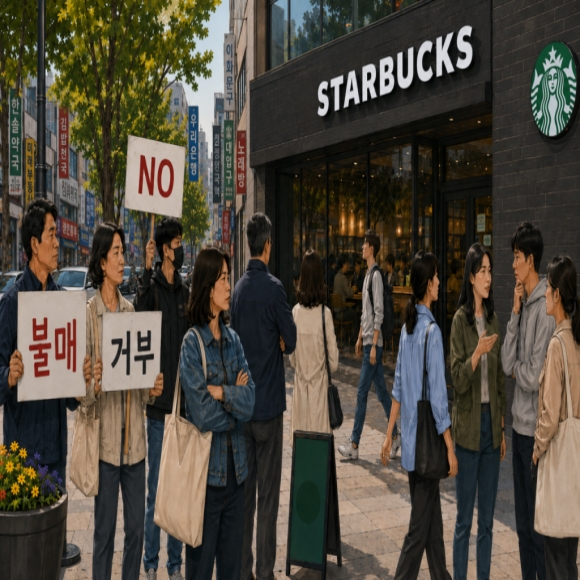
원본보기 아이콘In 2019, the "No Japan" movement shook Korean society.
At the heart of it was Japanese beer.
Japanese beer, once disappeared from convenience store shelves and saw a sharp decline in consumption, is now regaining attention.
As Korea-Japan relations improve and exchanges between the two countries increase,
more young Koreans have come to prefer Japanese beer.
▶How much is Japanese beer selling again?

After the Japanese government's export restrictions in 2019, the boycott movement spread,
causing import volumes to plummet. At one point, some convenience stores even removed Japanese beer from their shelves.
Since 2021, partly due to the impact of COVID-19, there has been a recovery trend,
and last year, Japanese beer imports reached their highest level in seven years.
▶Why is it popular again?

Travel is changing consumption patterns.
After the easing of COVID-19 restrictions, exchanges between the two countries surged,
reaching a record high of 12 million in 2024 and surpassing 13 million last year.
After experiencing beer locally in Japan,
many Koreans want to drink it again in Korea.
In other words, local experiences are directly leading to domestic consumption.
Japanese beer is about 30% to 60% more expensive than Korean beer.
Nevertheless, last year, Sapporo Beer's sales in Korea increased by 83% compared to the previous year.

The number of Koreans who have a positive perception of Japan is also increasing.
According to a survey conducted last year by the East Asia Institute,
the percentage of positive perceptions of Japan reached 52.4% (an all-time high).
In the past, attitudes were primarily driven by politics and emotions,
but now they are shifting toward culture and experience.
▶Japanese Food Is Also Spreading

Not only beer, but also Japanese food consumption is on the rise.
A prime example is the Japanese izakaya franchise Torikizoku.
After opening its first store in Hongdae, Seoul, in 2024, a new branch was launched just six months later.
On weekends, the waiting time reportedly exceeds 100 minutes.
A representative of Torikizoku Korea said, "The Korean market now accepts Japanese styles as they are."
Whereas localization was once essential, now authenticity is becoming a competitive edge.
Now, it is an era of 'consumption through experience.'
This is not just a passing trend for Japanese beer, but a sign of changing lifestyles.
-

Reporter Yun Seulgi seul97@asiae.co.kr
-
Edit Kong Sumin hyunhj@asiae.co.kr
© The Asia Business Daily(www.asiae.co.kr). All rights reserved.
!["Please Help Us": How Much Do Those Bowing Deeply for Your Vote Really Earn? [Data Pick]](https://cwcontent.asiae.co.kr/asiaresize/323/2026052010120870131_1779239528.png)