
Experts have issued a warning that some common side dishes on the Korean dining table may increase the risk of cancer. In particular, they advise minimizing the consumption of fermented seafood (jeotgal), bracken ferns, and very hot soups.
According to industry sources on March 19, Professor Choi Seokjae, an emergency medicine specialist with 20 years of experience at Yeouido St. Mary's Hospital, recently appeared on the YouTube channel "The Taste of Knowledge" and commented, "Certain foods commonly found on the Korean table can raise the risk of cancer," adding, "It is better to reduce consumption of these foods whenever possible."
Fermented Seafood: Carcinogen Formation During Fermentation
Professor Choi first pointed to fermented seafood (jeotgal). Jeotgal, which is made by fermenting animal protein with salt over long periods, can generate carcinogenic substances during the process. In particular, when the food additive sodium nitrite interacts with protein, it forms nitrosamines, which are a major cause of stomach and esophageal cancers. In fact, the International Agency for Research on Cancer (IARC) under the World Health Organization (WHO) classifies jeotgal as a Group 1 carcinogen.

Raw Bracken Fern: Eating It Raw Can Be Fatal
The second item is raw bracken fern. Raw bracken contains a toxic substance called "ptaquiloside," which can be harmful to health if consumed without proper preparation. There have even been reports overseas of livestock collapsing or dying after eating raw bracken.
However, this toxic substance is vulnerable to heat and water. If you blanch bracken for about five minutes, discard the water, and then soak it in clean water for at least half a day (about 12 hours), most of the toxin is removed. Likewise, dried bracken should be thoroughly boiled and soaked in water before consumption to ensure safety. Professor Choi emphasized, "Eating raw bracken is dangerous," and stressed the need to boil it and repeatedly change the water to leach out the toxins sufficiently.
Hot Foods: Repeated Damage to the Esophageal and Gastric Mucosa

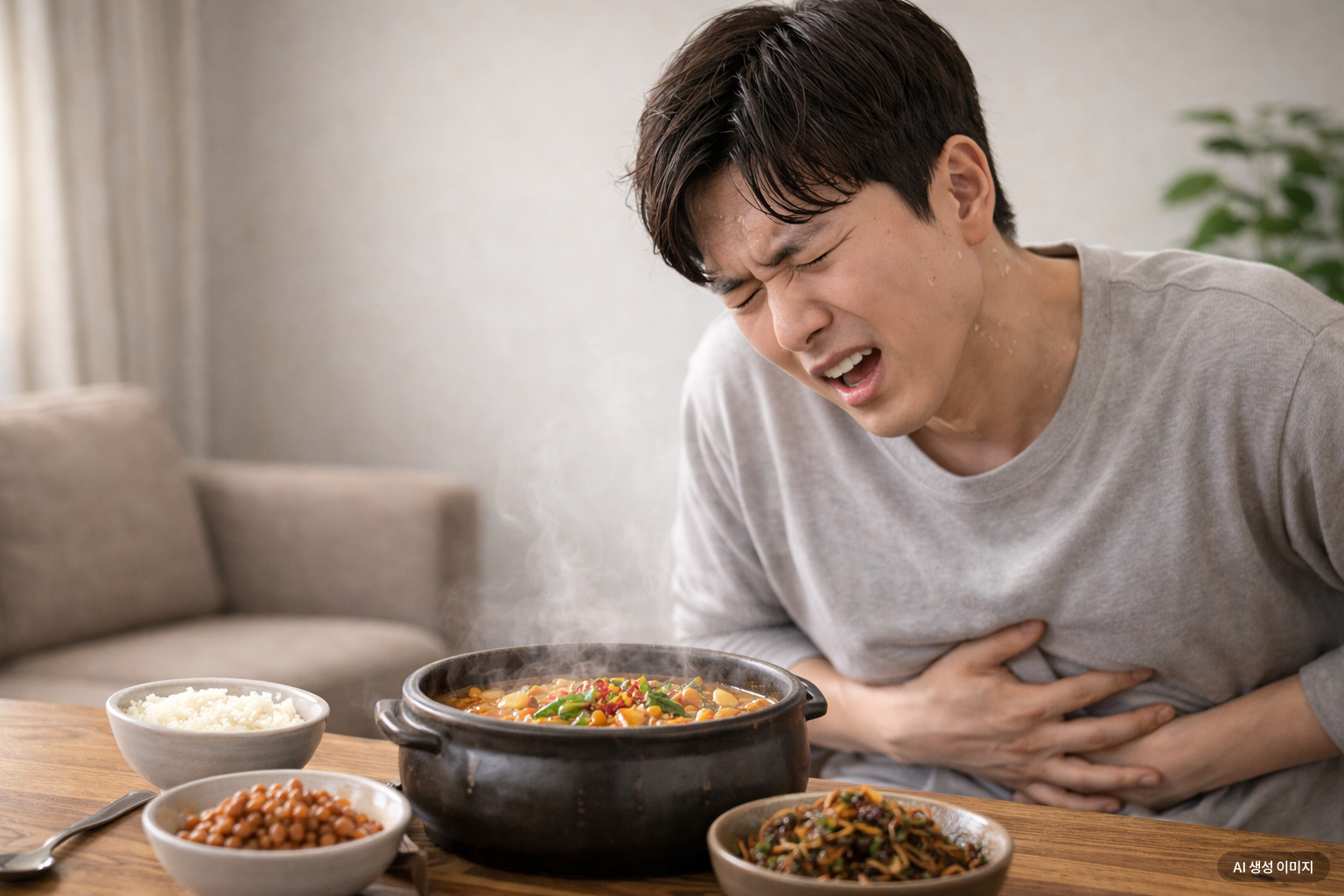
Lastly, Professor Choi identified very hot foods as a risk factor. The habit of eating soup or stew while it is hot enough to burn the roof of the mouth can cause repeated damage to the mucous membranes of the esophagus and stomach. If such irritation persists, the risk of cancer may increase. In fact, studies have shown that people who frequently consume beverages hotter than 60 degrees Celsius face a significantly higher risk of esophageal cancer. Experts stress that when eating soups and other dishes served at high temperatures, it is important to let them cool sufficiently before consumption.
Professor Choi said, "Health is determined more by daily eating habits than by any special food," emphasizing, "It is important to avoid foods that are excessively salty or hot and to consume foods only after they have been fully cooked."
-

Reporter Seo Jiyeong zo2zo2zo2@asiae.co.kr
-
Edit Bae Byoungmin wuhaha@asiae.co.kr
© The Asia Business Daily(www.asiae.co.kr). All rights reserved.




![[Real-life Finance] Jeonse Shortage Persists...Tenants Should Secure Renewal Rights and Apply for Phase 3 New Town Housing](https://cwcontent.asiae.co.kr/asiaresize/304/2025062709264424349_1750984005.jpg)