

President Lee indicated the possibility of reforming the basic pension on the 16th on X (formerly Twitter), pointing to poverty as the cause of elderly suicides, suggesting that improvements to the system are likely to accelerate.
The couple reduction system, which reduces the amount of basic pension by 20% for couples who receive it together, will gradually disappear, particularly for vulnerable groups.
With President Lee Jae-myung stating, "Being a couple and growing old together should not be a disadvantage," the pace of basic pension reform is expected to accelerate.
Ministry of Health and Welfare to Ease '20% Couple Reduction' Focusing on Vulnerable Groups
According to the National Assembly's Health and Welfare Committee on March 16, the Ministry of Health and Welfare reported its key work progress, including this matter, at the full meeting of the National Assembly Standing Committee held on March 10. The Ministry has announced plans to increase the security of existing pension systems to ensure a stable retirement for the public in the era of super-aging. In particular, the Ministry intends to prioritize the improvement of the couple reduction system, which used to cut each spouse's pension by 20% if both received the basic pension, with a focus on vulnerable groups.
The current basic pension couple reduction system applies to couples aged 65 or older who both fall into the bottom 70% income bracket, reducing each spouse's pension amount by 20% if both are recipients. This system was designed based on the so-called "economies of scale" logic, which assumes that couples sharing living or housing costs save money. It was also intended to ensure fairness with single-person elderly households and to reduce the government's fiscal burden. However, there have been ongoing criticisms that this reduction threatens the livelihood of low-income elderly couples who are already struggling financially.
If couples receive the pension together, it's cut by 20%...Threatening the livelihoods of vulnerable groups
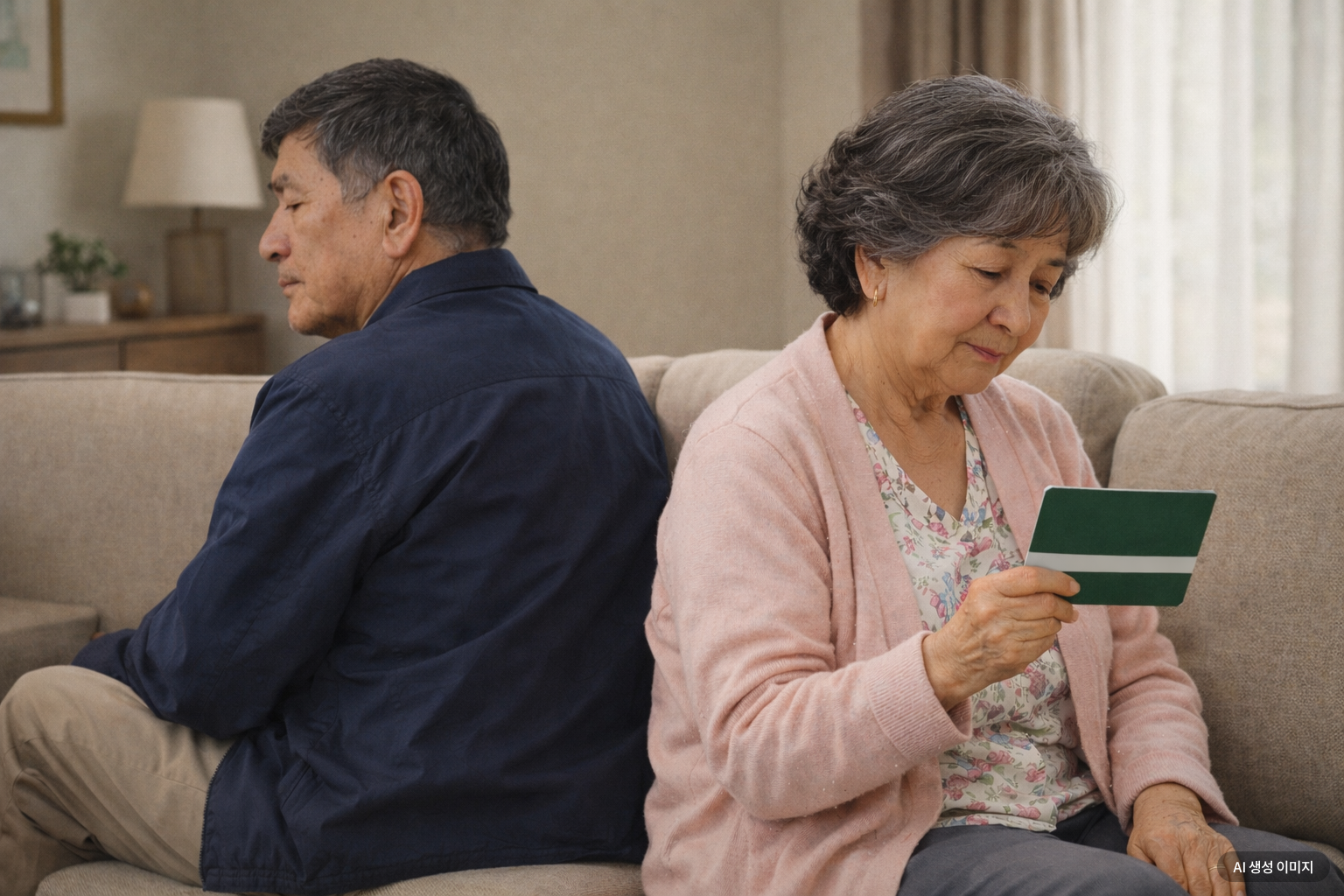
Is growing old together a disadvantage? Elderly couples consider fake divorces
In fact, a report by the National Pension Research Institute found that the actual living expense burden, depending on income level, was significantly different from the situation assumed in the system. According to the report, the average monthly expenditure of elderly couples in the bottom 20% income group was 1.74 times higher than that of single-person elderly households. This figure far exceeds the system's reference of 1.6 times, indicating that a 20% reduction in basic pension imposes a much harsher financial burden on these households than on the average household.
Gradual Reduction to 10% by 2030...Lawmakers Propose Complete Abolition by 2028
Previously, in a plan submitted to the National Assembly, the Ministry of Health and Welfare disclosed its intention to lower the couple reduction rate for elderly couples in the bottom 40% income bracket from the current 20% to 15% by 2027 and to further reduce it to 10% by 2030. This is interpreted as a targeted measure to first protect vulnerable groups who are most in need of support from the basic pension, rather than a uniform reduction across the board.
The political sector is also moving to improve the system. The Health and Welfare Committee of the National Assembly is currently discussing a bill that would completely abolish the couple reduction system over three years. The proposed bill includes a roadmap to lower the reduction rate to 10% in 2026, 5% in 2027, and fully abolish it by 2028.
Korea has the highest elderly suicide rate...Poverty is the biggest cause
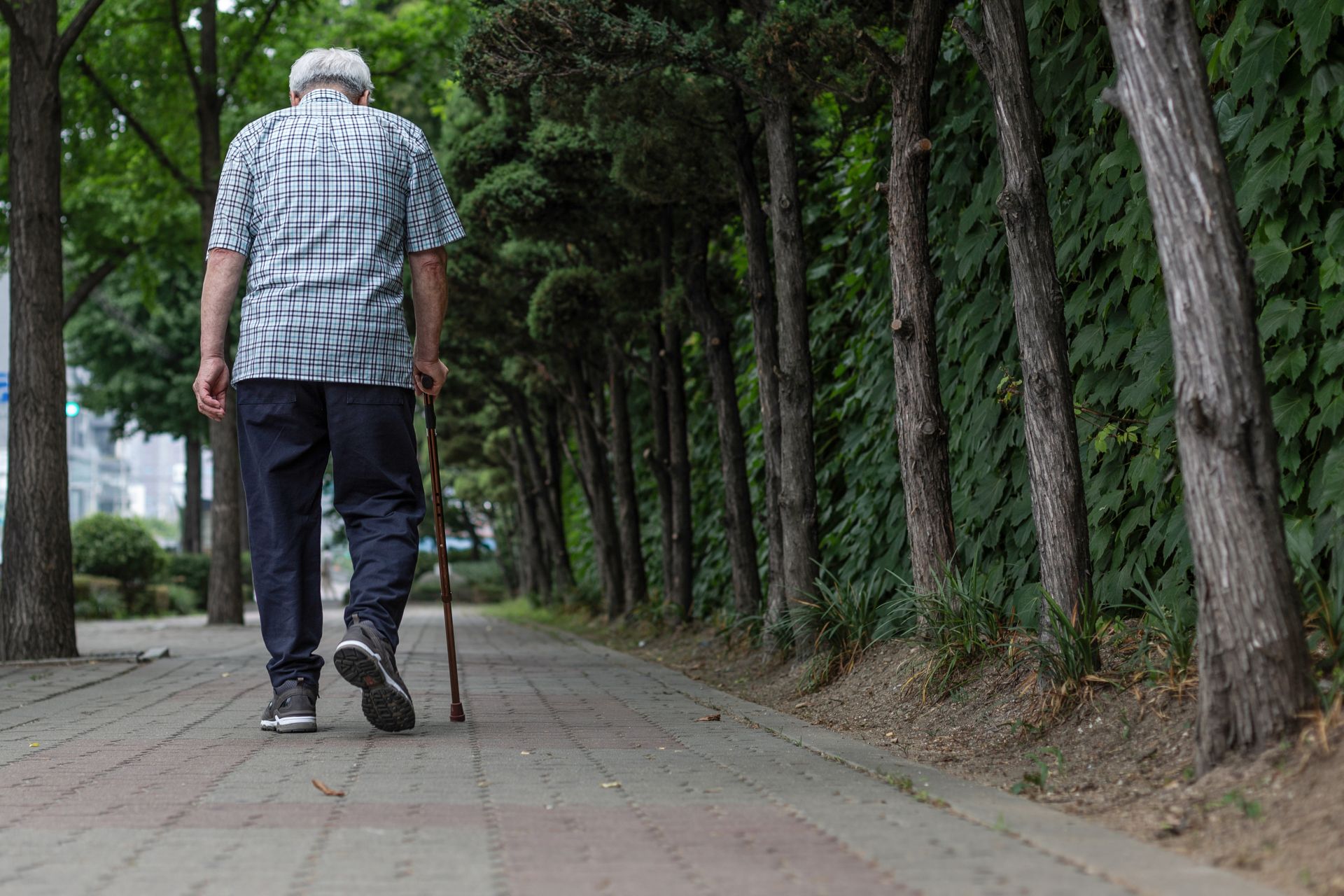
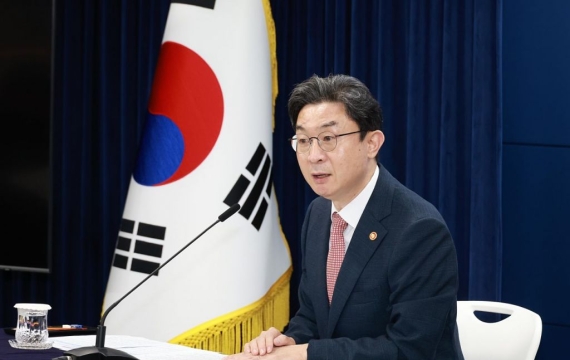
President Lee explained, "There are even cases of fake divorces to avoid pension reductions," and said, "The reduction in payments is due to financial shortages, so it should be corrected as much as possible."
He continued, "In our country, which has one of the highest overall and elderly suicide rates in the world, poverty is the biggest cause of elderly suicides," adding, "To reduce elderly poverty that leads even to suicide, it seems we need to change the basic pension somewhat."
President Lee: "To reduce elderly poverty, we need to change the basic pension" - Reform expected to accelerate
Enormous Fiscal Cost...Average of 3.3 Trillion Won Annually, 16.7 Trillion Won in Total Additional Funding Needed
However, the enormous fiscal cost resulting from these reforms is a challenge that must be addressed. According to an analysis by the National Assembly Budget Office, if the couple reduction system is phased out, an additional 3.3 trillion won per year on average, totaling 16.7 trillion won over five years, will be needed by 2030. The Ministry of Health and Welfare is carefully reviewing detailed measures, considering both the fiscal burden and the fairness of the system. It is also taking into account the fact that advanced welfare states such as Norway and Sweden operate similar reduction systems for couples. Experts emphasize that, for the basic pension to function as a true public assistance program, discussions should concentrate on strengthening support for vulnerable groups, such as low-income and low-asset elderly couples.