Washing Immediately After Exercise Causes More Odor
Sweat Should Evaporate Before Putting Clothes in the Washing Machine
Sweat Should Evaporate Before Putting Clothes in the Washing Machine
by Seo Jiyeong
by Choi Yujeong
Published 27 Feb.2026 15:10(KST)
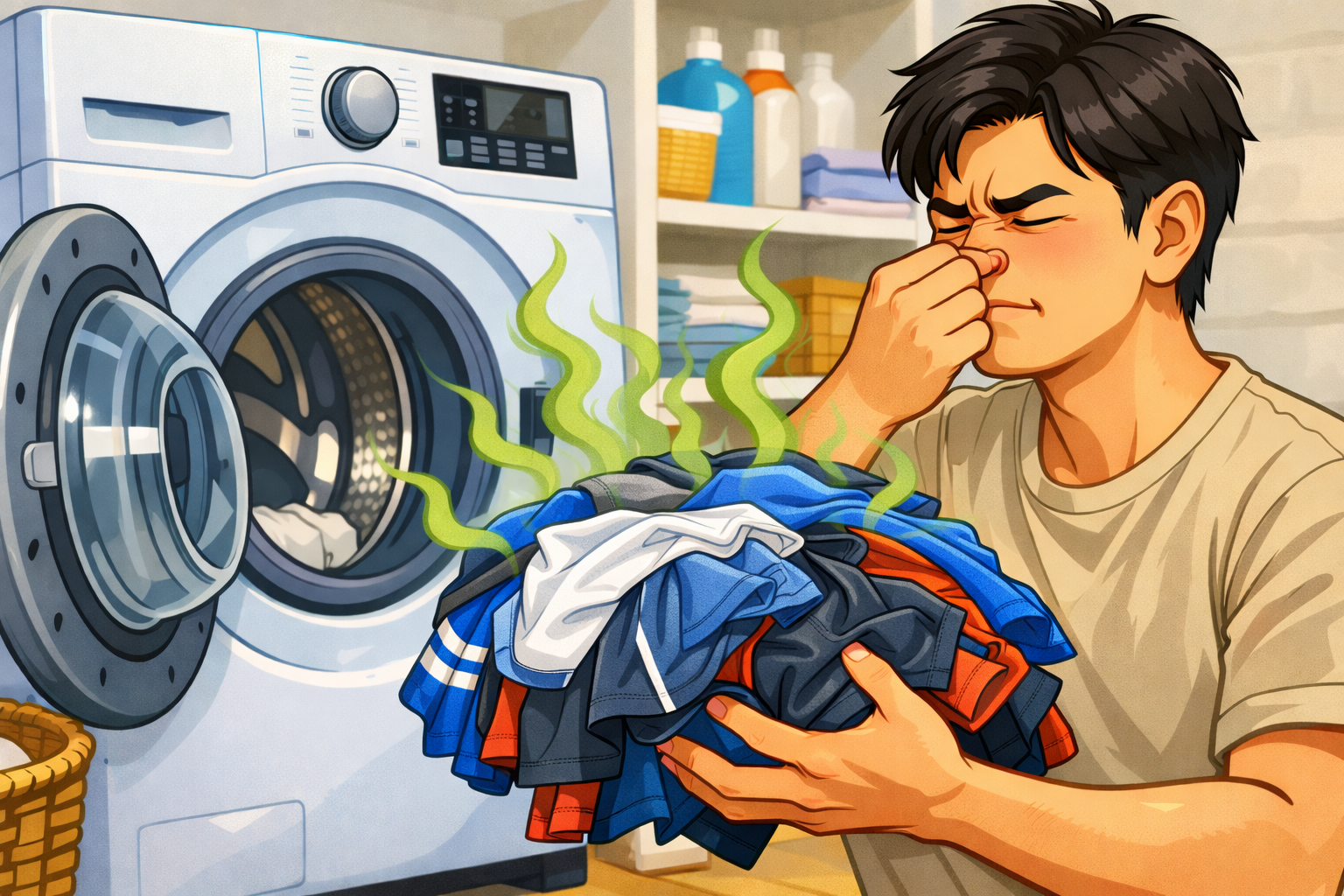
It has been analyzed that the habit of putting workout clothes directly into the washing machine right after exercise can actually cause more odor. This is because if you wash the clothes before the sweat has fully evaporated, bacteria and odor molecules remaining in the fibers may not be completely removed.
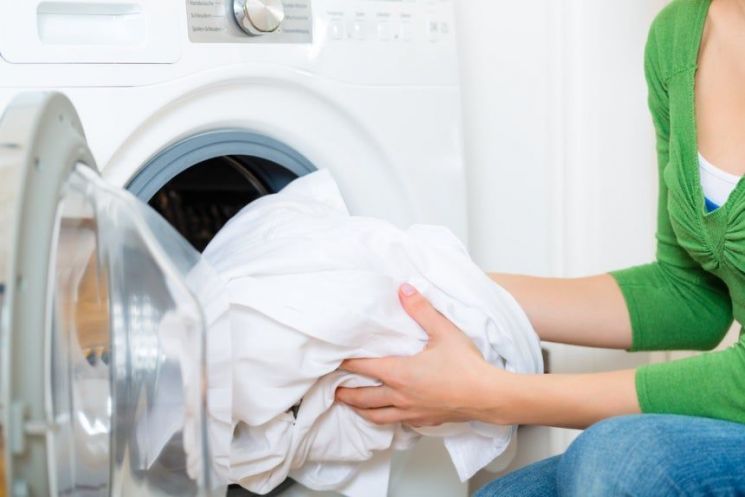
Rebecca Jakeman, chief researcher at the UK consumer group 'Which', recently explained in an interview with the Daily Mail, "If you don't give sweat a chance to evaporate, bacteria and odors remain in the fibers and unpleasant smells can persist even after washing."
Functional materials widely used in workout clothing are designed to absorb sebum, which is secreted along with sweat, into the inner fibers. While this structure helps maintain comfort during exercise, it also makes it easier for odors to accumulate if the clothes are not properly cared for after use.
In particular, if you pile up wet clothes with other laundry right after exercise, the remaining moisture creates an environment where bacteria can thrive. If odor molecules become deeply embedded in the fibers during this process, they become difficult to remove with ordinary washing.
Although the problem may not be apparent immediately after washing, odors can return when the clothes become damp from body heat and sweat again. This phenomenon is interpreted as resulting from microbial activity remaining in the fibers.
The first care method recommended by experts is "ventilation." Before washing, hang workout clothes in a well-ventilated area to allow sweat to evaporate fully. This is considered the simplest and most effective way to reduce internal moisture in the fibers and suppress bacterial growth.
When washing, it is also best to turn the clothes inside out so that the inner side faces outward. This is because sweat and sebum are most heavily concentrated on the inside. By doing this, the soiled area comes into direct contact with water and detergent, which increases cleaning effectiveness.
The amount of detergent used is also an important factor. Experts advise using roughly half the usual amount. Excessive use of detergent can leave residue in the fibers, which in turn creates an environment that traps bacteria.
In addition, it is best to avoid using fabric softener. This is because fabric softeners can coat the fine structure of functional fibers and reduce their ability to absorb sweat and allow air circulation. In fact, many sportswear brands prohibit the use of fabric softener on their washing labels for this very reason.
Washing temperature is another important care factor. Experts generally recommend washing at low temperatures below 30°C, and in some cases, 20°C is sufficient to achieve a cleaning effect. Excessively high temperatures can damage the structure of functional fibers. It is especially advisable to use washing machine settings specifically for synthetic fibers or sportswear.
It is also best to avoid using a dryer. Spandex materials found in leggings or cycling shorts can lose their elasticity when exposed to high heat. This not only reduces comfort but can also compromise the functionality of the clothing itself. For this reason, experts strongly recommend air drying as the most reliable method. Drying in a well-ventilated area helps minimize fiber damage while also reducing the occurrence of unpleasant odors.

Seo Jiyeong zo2zo2zo2@asiae.co.kr
Choi Yujeong yjchoi@asiae.co.kr
© The Asia Business Daily(www.asiae.co.kr). All rights reserved.

!['WHO Declares International Public Health Emergency' Why the Untreatable 'Variant Ebola' Is More Deadly Than COVID-19 [Reading Science]](https://cwcontent.asiae.co.kr/asiaresize/323/2026052110164072055_1779326201.png)
!["Please Help Us": How Much Do Those Bowing 90 Degrees These Days Actually Earn? [Data Pick]](https://cwcontent.asiae.co.kr/asiaresize/323/2026052010120870131_1779239528.png)