Seoul Introduces 'Night Extended Care'
Extended from 8:00 PM up to midnight
Provided at 52 locations including community child centers
Extended from 8:00 PM up to midnight
Provided at 52 locations including community child centers

by Bae Kyunghwan
by Choi Yujeong
Published 23 Feb.2026 15:05(KST)
The Seoul Metropolitan Government is introducing a "Night Extended Care" program that will operate until midnight. Taking into account care gaps for dual-income families and reflecting demand in the early morning hours, the city will also increase the number of areas offering "Morning Care" to 30 locations.
On the 23rd, the Seoul Metropolitan Government announced its "Elementary School Gap Care Safety Net Establishment Plan," centered on three main measures: the introduction of new night care services, the expansion of morning care services, and the expansion of Kiwoom Centers.
First, the existing care hours, which previously ran until 8:00 p.m., will be extended to as late as midnight. This service is provided at 49 community child centers and 3 Our Neighborhood Kiwoom Centers, and is expected to significantly ease the childcare burden on parents who work late hours. Earlier, in January, the city began fully rolling out the "Night Extended Care" service at 52 locations, including community child centers and Our Neighborhood Kiwoom Centers, for households needing care due to late work hours or emergencies.
Operating hours will be adjusted flexibly by each center. Among the 50 locations (47 community child centers and 3 Our Neighborhood Kiwoom Centers) that provide night extended care services, most will operate until 10:00 p.m., while 2 community child centers will extend their hours to midnight.
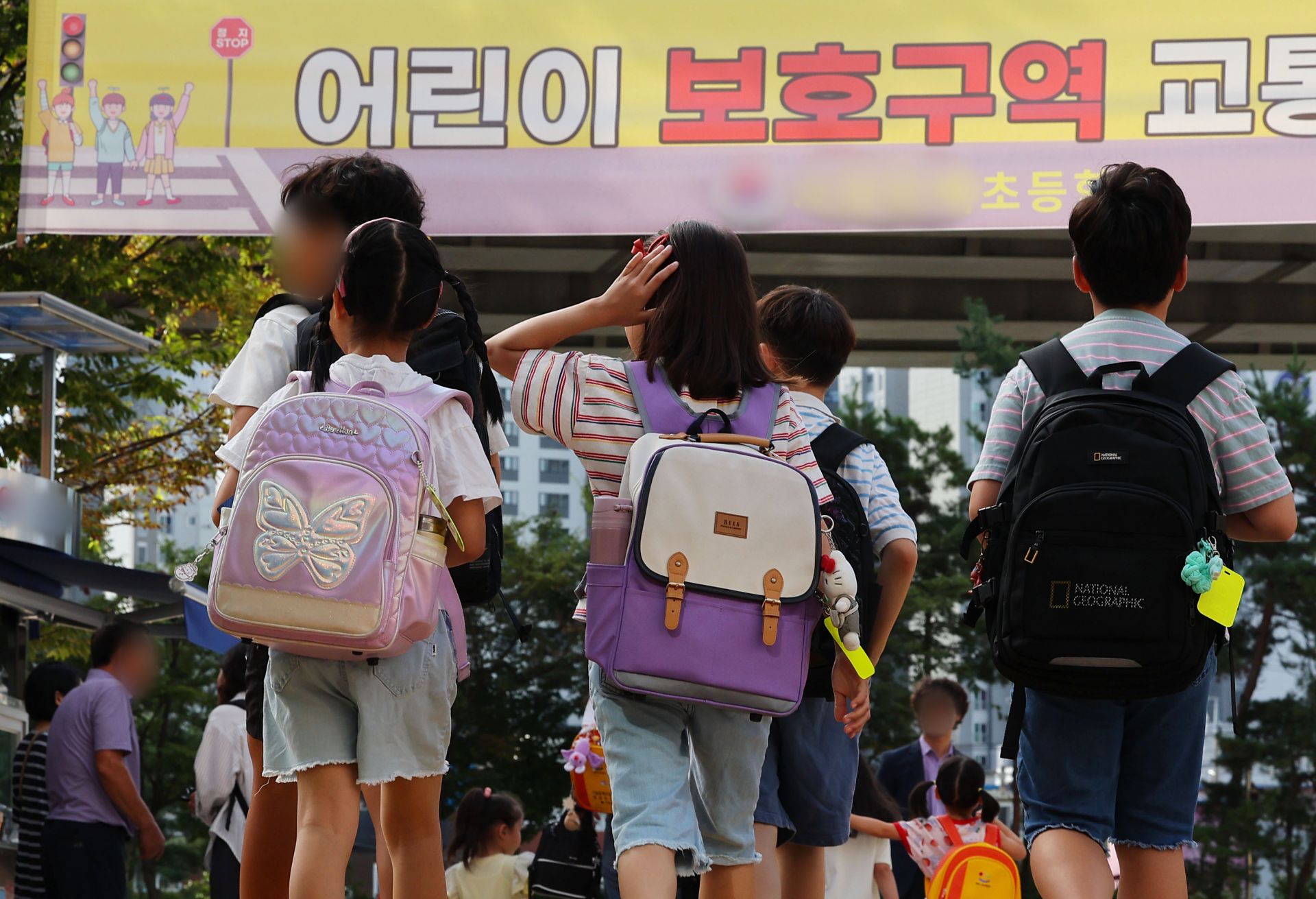
The city will also work to close childcare gaps not only at night but also in the early morning hours. Since January, the number of "Seoul-Type Morning Care Kiwoom Centers" has been increased from 25 to 30, focusing on areas with high demand. They operate from 7:00 a.m. to 9:00 a.m., before school starts. The five additional districts, all of which have high demand for morning care, are Jungnang-gu, Eunpyeong-gu, Seodaemun-gu, Yangcheon-gu, and Dongjak-gu.
Morning and night care services are available free of charge to all children, even if they are not registered at a community child center or an Our Neighborhood Kiwoom Center. Applications can be submitted via the "Our Neighborhood Childcare Portal" website, or by visiting or calling a nearby center.
In addition, by the end of the year, the city will add four more public Our Neighborhood Kiwoom Centers, expanding the total number of Our Neighborhood Kiwoom Centers to 282. By newly establishing Kiwoom Centers mainly in areas with high demand for childcare, the city aims to further strengthen the elementary school care safety net in a way that parents can tangibly feel.
As of the end of January 2026, a total of 278 Our Neighborhood Kiwoom Centers have been confirmed for installation: 237 general-type centers, 33 convergence-type centers, and 8 hub-type centers. Currently, 275 centers are in operation. Of the remaining three centers still under installation, two locations including Guro-gu will begin operations within this year, while construction at the one location in Songpa-gu will resume as soon as the cultural heritage excavation survey is completed.




![[Culture Interview] "Unifying the Fragmented Music Market... Super Fans Are the Next Competitive Edge"](https://cwcontent.asiae.co.kr/asiaresize/304/2026042817051344090_1777363513.jpg)