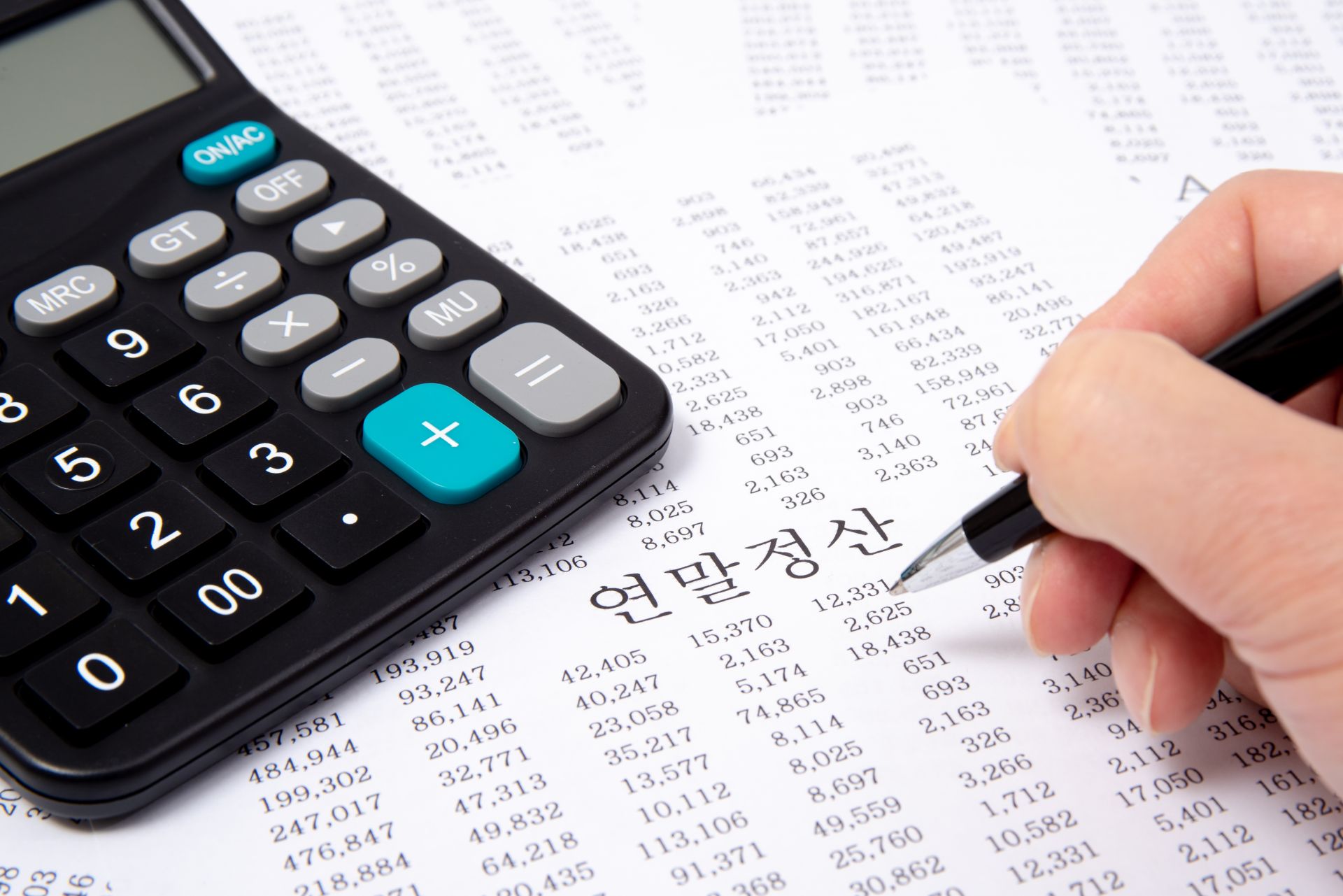
Year-end Tax Settlement Mistakes Targeted by the National Tax Service
Photo by Getty Images Bank
by Ju Sangdon
by Hong Jayeon
Published 23 Jan.2026 15:25(KST)
Updated 26 Mar.2026 15:25(KST)

Year-end Tax Settlement Mistakes Targeted by the National Tax Service
Dependents whose income in 2025 exceeds 1 million KRW are not eligible for the basic deduction. In addition, only one person among dual-income couples or siblings can claim the basic deduction for parents, so this must be kept in mind.
On January 23, the National Tax Service provided guidance on common mistakes for each deduction and tax credit category during the year-end tax settlement period.
An official from the National Tax Service explained, "If you claim excessive deductions without accurately checking the requirements, you may have to file and pay additional taxes," and added, "You may also be subject to heavy penalties, so it is important to carefully check the deduction criteria in advance."
First of all, the income requirements for dependents must be reviewed again. If a dependent's income last year exceeded 1 million KRW (or total wage income of 5 million KRW for those with only wage income), they are not eligible for the basic deduction. Also, be sure that parents are not claimed for the basic deduction by more than one person among dual-income couples or siblings. For example, a spouse who earned 2 million KRW from transferring land last year cannot receive the basic deduction. If both an older and younger sibling report their father as a basic deduction recipient, a revised filing is required so that only one person can claim the deduction. Dependents whose income exceeds the threshold are not only ineligible for additional deductions such as for seniors or people with disabilities, but also cannot receive deductions for credit card spending, insurance premiums, education expenses, or charitable contributions.
To receive a monthly rent tax credit, you must check from homeownership to resident registration status. If, as of December 31 last year, the employee's household owned one or more homes, or if the employee did not file a resident registration for the rented house, resulting in a mismatch between the address on the resident registration and the address on the lease contract, the monthly rent tax credit cannot be claimed. In addition, if the employee does not actually reside in the rented house, the tax credit cannot be received regardless of whether monthly rent was paid.
Only the actual amount of medical expenses paid by the employee can be deducted. If you paid medical expenses and received indemnity insurance payouts, or received reimbursements under the medical expense ceiling system, those refunded amounts must be excluded from the deductible medical expenses. However, if you file a revised year-end tax settlement due to additional reimbursements received after the settlement, a penalty will not be imposed.
An official from the National Tax Service said, "The National Tax Service analyzes year-end tax settlements and comprehensive income tax filings to inspect employees suspected of excessive deductions. In fact, last year, 80,000 people were subject to such checks," and added, "We hope you pay close attention to the listed mistake types to avoid inconvenience caused by excessive deductions during year-end tax settlement."

Ju Sangdon don@asiae.co.kr
Hong Jayeon hongzaa@asiae.co.kr
© The Asia Business Daily(www.asiae.co.kr). All rights reserved.