British Antarctic Survey’s Bold Recruitment Notice Draws Attention
A job posting from a research institute in Antarctica is drawing significant attention. In addition to a high salary of up to 60 million won per year, the position offers exceptional benefits, including full coverage of accommodation, meals, and travel expenses. Even considering the extreme working environment, the substantial compensation is expected to attract many applicants who are seriously considering a move to Antarctica.
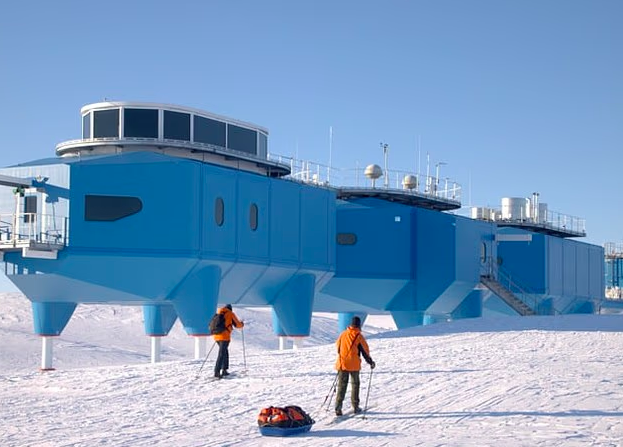
According to the Daily Mail on January 21 (local time), the British Antarctic Survey (BAS) recently announced on its official website that it is recruiting staff to work at its Antarctic research stations. The positions cover a wide range of roles, including chefs, plumbers, carpenters, plant operators, boat operators, weather observers, and radio operators, encompassing all aspects of research, maintenance, and operations.
Hiring for all areas including chefs, plumbers, carpenters, boat operators, weather observers, radio operators, and more covering research, maintenance, and operations
More than half the year in complete darkness temperatures dropping to minus 89.2 degrees Celsius extreme environment matched by high compensation
"A workplace, home, and family-like space worked for 6 years... no intention to quit" high satisfaction among local staff
British Antarctic Survey (BAS). BAS
The contract period is relatively flexible, ranging from a minimum of 6 months to a maximum of 18 months. The annual salary starts at 30,000 pounds (approximately 59 million won), and all accommodation, meals, and travel costs are fully covered, as well as special workwear and equipment. With virtually no living expenses incurred locally, the actual take-home compensation is considered to be quite high.
Mike Bryan, Head of Operations at the British Antarctic Survey, explained, "To maintain a community, we need a variety of professions such as chefs, plumbers, carpenters, and technicians. The people working at our bases do ordinary jobs, but the place itself is extraordinary."
However, this high compensation comes with clear trade-offs. Antarctica remains in complete darkness for more than half the year, and temperatures can drop as low as minus 89.2 degrees Celsius. At minus 43 degrees, at least three layers of thermal clothing are required, and at temperatures below minus 50 degrees, five or more layers are essential. Food and drinks left outside even briefly freeze instantly in these conditions.
Nevertheless, local staff report high levels of satisfaction. Phil Coleman, a carpenter working at the Halley VI Antarctic Research Station, said, "The experience and skills I have gained here are a great asset in the real world." He added, "The Antarctic base is not just a research facility, but a team, a home, and a family-like space. I originally came planning to work just one season, but I have returned every season for the past six years, and I have no intention of quitting," expressing his affection for the job.