There were differences not only in appearance but also in ingredients. The two perfume products had distinctly different scents from the genuine products, and the three basic and color cosmetics products had ingredient compositions that differed from the authentic ones. In the case of cosmetics, differences in ingredients can cause safety issues such as dermatitis or allergies, so consumer caution is necessary.
An analysis of some brand products sold at prices lower than the normal price on overseas online platforms confirmed that they were all counterfeit.
The Seoul Metropolitan Government announced on December 24 that it had commissioned the Korea Apparel Testing & Research Institute (KATRI), a nationally accredited testing agency, to analyze 10 products from 8 brands sold on platforms such as Aliexpress and Temu, and found that none of them matched the genuine items.

An analysis of some brand products sold at prices lower than the normal price on overseas online platforms confirmed that they were all counterfeit. The scents of two perfume products were distinctly different from the genuine ones. Getty Images
원본보기 아이콘The products inspected included five cosmetics, three kitchenware items, one small home appliance, and one fashion accessory. The selection focused on cosmetics, which have recently been the subject of counterfeiting controversies, and kitchenware, which is frequently used in daily life. These products were being sold at prices averaging 65% lower than the regular price, with discounts reaching up to 91%.
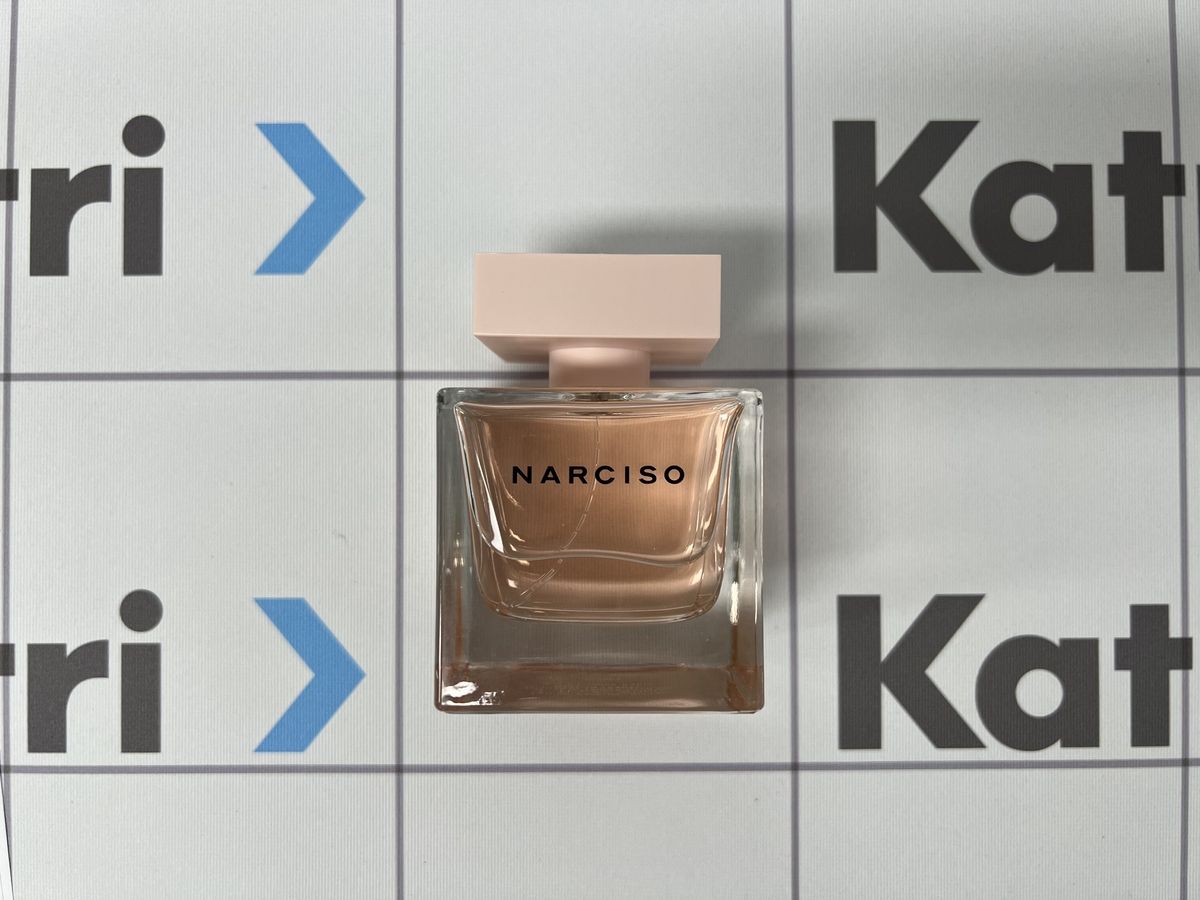
In the case of cosmetics, all five products from four brands (two perfumes, two basic skincare products, and one color cosmetic) differed from the genuine items. The container design and color were different in appearance, and the logo placement and labeling did not match the originals.
For kitchenware, all three products from two brands (one scrubber, one water purifier, and one water filter) failed to match the genuine items. Overall, the design and color were different, and there was no product logo. The water purifier filter had a different structural design compared to the genuine product, making it difficult to guarantee filtration performance, and there is also a risk that harmful substances could be detected in the filter itself, requiring special caution.
The single small home appliance (headphones) also differed from the genuine product in color, logo font, and other design details. The stitching on the leather cover was not precise, and the leather material itself was different from the authentic version. In addition, the one fashion accessory (a phone case) did not match the genuine product. The item did not have a genuine label, and both the color and design differed from the original. The font used for the copyright notice at the bottom of the product also did not match the genuine item.

The Seoul Metropolitan Government explained that, on online platforms, sellers often use brand names or genuine product images without authorization, making it difficult for consumers to determine whether an item is counterfeit in advance. The city also advised consumers to check registered trademarks and logo designs through the Korean Intellectual Property Rights Information Service (KIPRIS), and to carefully compare product descriptions, reviews, and images posted on official websites before making a purchase.
Based on the results of this inspection, the Seoul Metropolitan Government has requested overseas online platforms to suspend sales of the relevant products. The city also plans to continue monitoring the distribution of counterfeit goods and conducting safety inspections to prevent consumer damage. Kim Myungseon, Director of the Fair Economy Division at the Seoul Metropolitan Government, stated, "This inspection focused on ultra-low-priced products and confirmed that purchasing based solely on price can lead to significant safety and quality risks. In particular, for products that come into close contact with the body, such as cosmetics and kitchenware, we urge consumers to prioritize safety over price and to carefully check whether the seller is an official distributor and to verify product information before purchasing."