A teenage boy in the United Kingdom has reportedly saved his own life by correctly diagnosing himself with a rare neurological disorder using the artificial intelligence chatbot ChatGPT, after a local hospital doctor misdiagnosed his condition. It was reported that the hospital medical staff later confirmed the final diagnosis and began treatment.
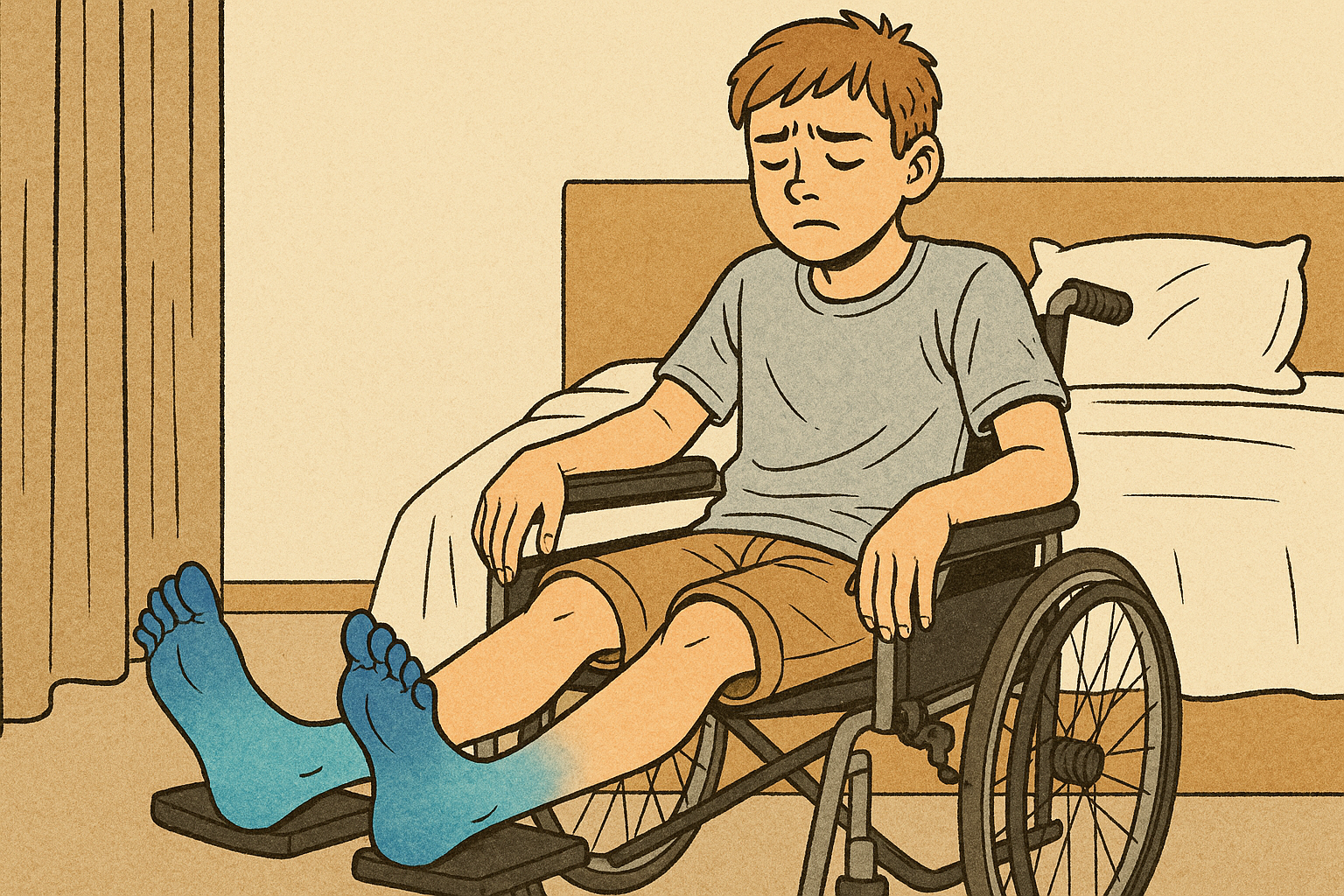
According to The Sun on December 7 (local time), Karlan Ils, a 17-year-old resident of Cirencester, Gloucestershire, recently visited a local hospital after his cold symptoms did not improve and the strength in his arms and legs rapidly weakened. Although Karlan complained of abnormal symptoms such as his feet turning blue and difficulty moving, the attending physician diagnosed him with Raynaud's Syndrome, a type of blood circulation disorder, and recommended keeping warm and wearing gloves.
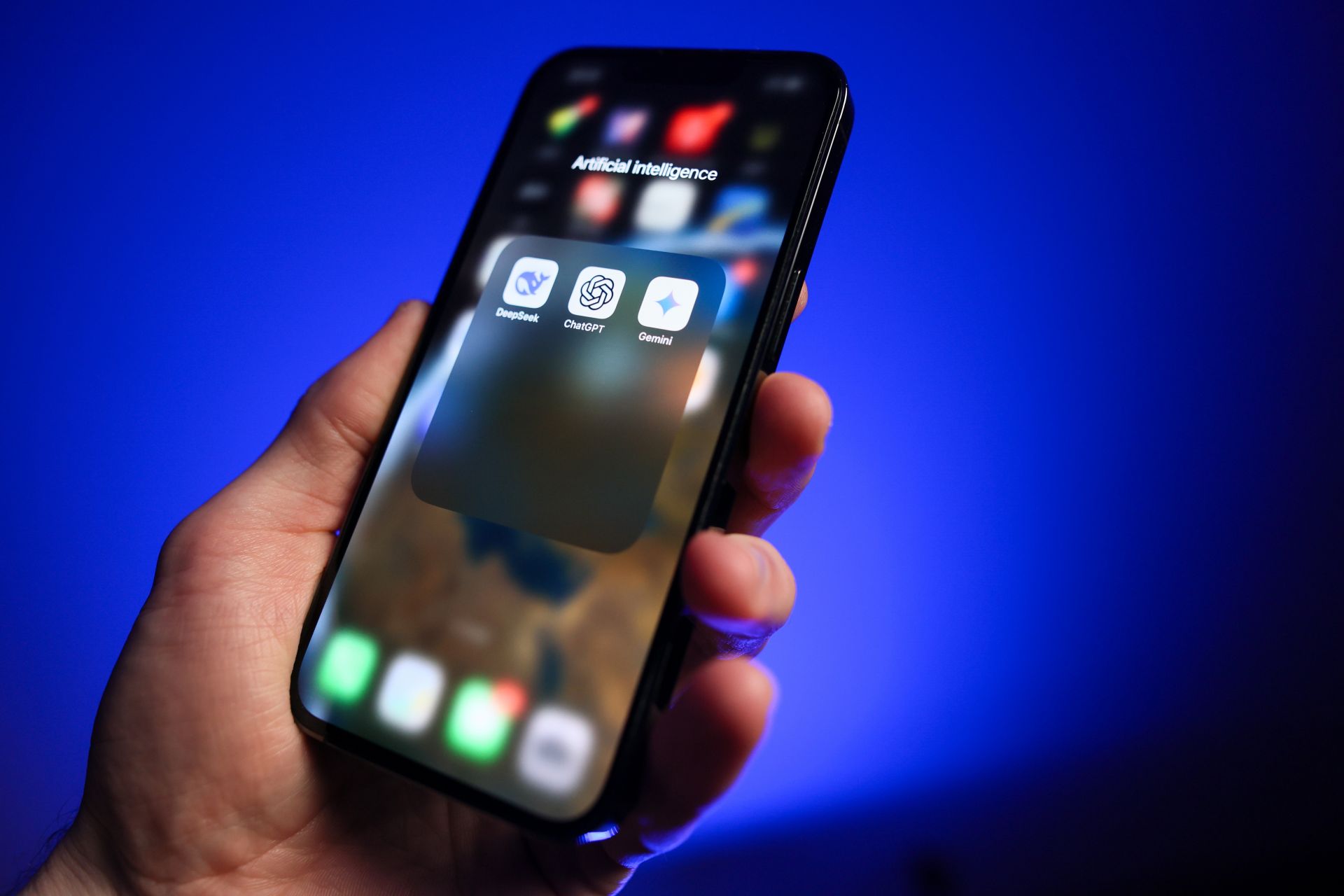
However, sensing that something much more serious was happening to his body, he entered his symptoms in detail into ChatGPT, which he had previously used for his studies. The AI suggested that he might have Guillain-Barr? Syndrome (GBS).
GBS is a rare and intractable disease in which the immune system attacks the peripheral nerves, causing paralysis. If the paralysis spreads upward, there is a risk of respiratory muscle failure, so prompt treatment is essential.
Shocked by the AI's diagnosis, Karlan and his mother, Lynn Constantine, immediately went to the emergency room. After further tests, the medical staff confirmed GBS and transferred Karlan to a royal hospital, where he underwent emergency treatments such as plasma exchange. Karlan is currently recovering and is expected to be discharged soon.

A photo of Callan Ils, who was diagnosed with the rare disease GBS and is undergoing treatment through ChatGPT. The Sun
원본보기 아이콘In an interview with local media, Karlan said, "My symptoms kept getting worse, so I anxiously entered them into the AI, and it came back with a diagnosis of GBS. When the hospital told me, 'You were right,' I could hardly believe it myself." He added, "It's crazy that I had to rely on AI to get the right diagnosis. My trust in the NHS as a whole hasn't been shaken, but from the perspective of local GPs, it will have an impact."
This case has demonstrated the potential for AI to be used as a diagnostic support tool in medical settings, while also raising concerns that the response system at the primary care level needs to be reviewed and improved.
-

Reporter Park Eunseo rloseo8@asiae.co.kr
-
Edit Choi Yujeong yjchoi@asiae.co.kr
© The Asia Business Daily(www.asiae.co.kr). All rights reserved.
!['WHO Declares International Public Health Emergency' Why the Untreatable 'Variant Ebola' Is More Deadly Than COVID-19 [Reading Science]](https://cwcontent.asiae.co.kr/asiaresize/323/2026052110164072055_1779326201.png)
!["Please Help Us": How Much Do Those Bowing 90 Degrees These Days Actually Earn? [Data Pick]](https://cwcontent.asiae.co.kr/asiaresize/323/2026052010120870131_1779239528.png)