Measures to Address Shrinkflation in the Food Sector Announced on December 2
Mandatory labeling of total chicken weight before cooking
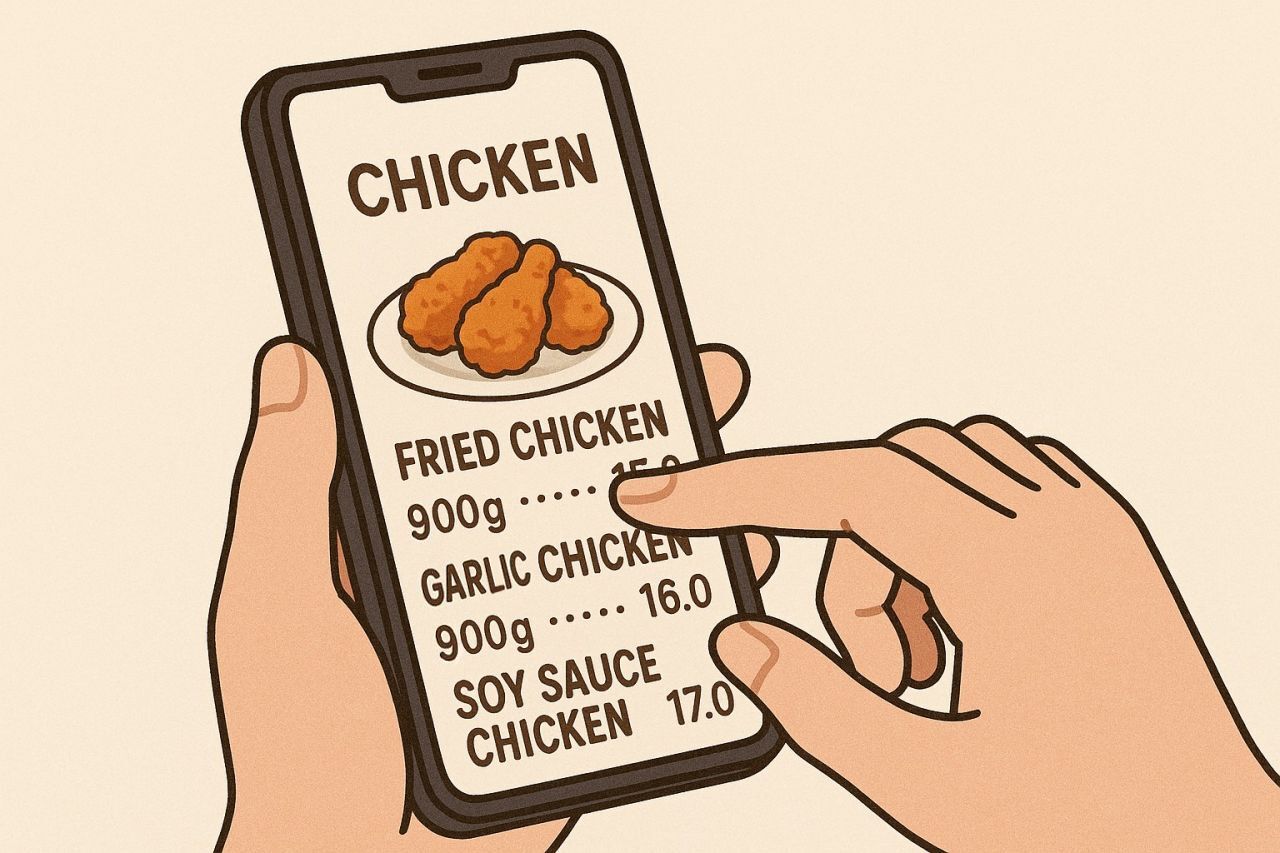
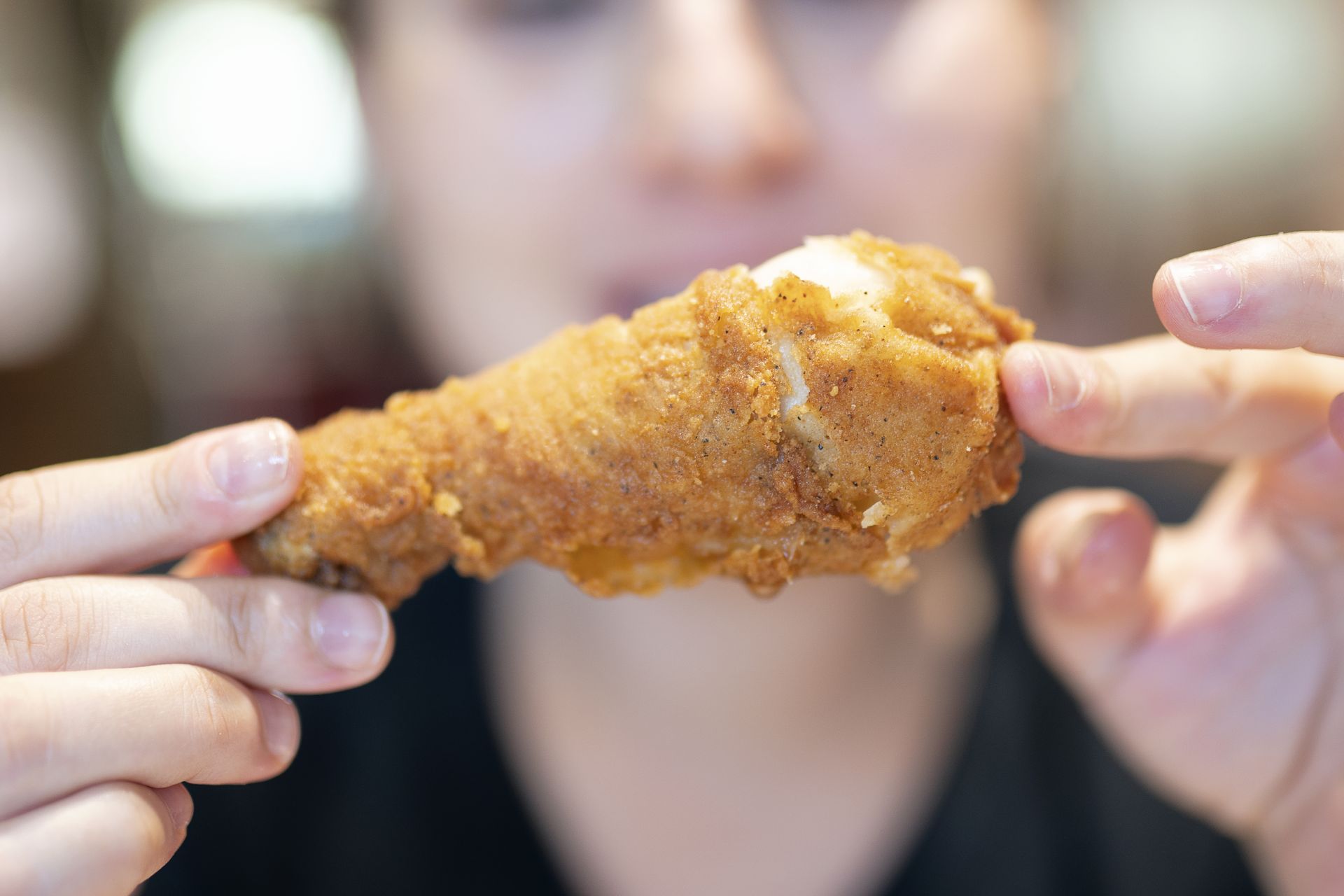
The government has decided to introduce a system that requires chicken menus to display weight, in response to concerns that “shrinkflation”-reducing product weight while keeping prices unchanged-is increasing the cost burden on consumers. This is the first time that weight disclosure regulations have been introduced in the restaurant sector.

The Ministry of Economy and Finance, the Fair Trade Commission, and the Ministry of Food and Drug Safety announced on December 2 their “Countermeasures Against Shrinkflation in the Food Sector,” stating that 12,560 franchise outlets of the 10 major chicken franchises will be required to display the “total weight before cooking.”
The government explained that this measure is intended “to provide a psychological deterrent against businesses arbitrarily reducing product weight,” and that “the requirement to explicitly display weight will serve as a factor in discouraging weight reductions.” The weight labeling system will be implemented through an authoritative interpretation of the Enforcement Regulations of the Food Sanitation Act.
Weight Labeling on Menus and Delivery Apps Starting from the 15th... First Weight Disclosure Regulation in the Restaurant Sector
Starting from the 15th, major chicken restaurants must display the “total weight before cooking” of chicken, in grams (g) or in units, next to the price on their menus. The same information must also be shown on online order pages and delivery apps.
However, to alleviate the cost burden on small businesses, the government has limited the requirement to outlets affiliated with the 10 major franchise headquarters. The targeted brands are BHC, BBQ Chicken, Kyochon Chicken, Cheogajip Yangnyeom Chicken, Goobne Chicken, Pelicana, Nene Chicken, Mexicana Chicken, Gcova Chicken, and Hosigi Two Chicken.

Recognizing that updating menus will take time, the government will operate a guidance period until June 30 next year, during which violations will be met with instructions on how to comply rather than penalties. After the guidance period, administrative actions such as correction orders may be imposed.
Public Comparison of Chicken Brands and Operation of Reporting Centers... Enhanced Market Surveillance
Self-regulation will also be promoted, focusing on large franchises. The government plans to encourage franchise headquarters to voluntarily disclose to the market whenever prices are raised or product weight is reduced, resulting in an effective price increase. Agreements between relevant ministries and major franchises are also being pursued.
“Order to Suspend Production” for Failure to Disclose Weight of Processed Foods
Surveillance in the processed food sector will also be strengthened. If the weight of a processed food product is reduced by 5% or more without disclosure, the level of sanctions will be increased in accordance with the Enforcement Regulations of the Food Labeling and Advertising Act. Currently, when undisclosed weight reductions are identified, the Ministry of Food and Drug Safety issues correction orders or business suspensions. In the future, the level of sanctions will be raised to include “orders to suspend production of the item.”

Starting this month, the government will form a public-private consultative body (tentative name) with the participation of relevant ministries, major restaurant operators, and major processed food manufacturers to discuss measures for price stabilization in the food sector and to monitor the implementation of self-regulation in the restaurant industry. In particular, to prevent violations of the newly introduced chicken weight labeling system due to lack of awareness, the government will focus on promoting the system by distributing separate guidelines and conducting outreach activities.
-

Reporter Lee Eunjoo golden@asiae.co.kr
-
Edit Kim Yumi ymkim91@asiae.co.kr
© The Asia Business Daily(www.asiae.co.kr). All rights reserved.
!['WHO Declares International Public Health Emergency' Why the Untreatable 'Variant Ebola' Is More Deadly Than COVID-19 [Reading Science]](https://cwcontent.asiae.co.kr/asiaresize/323/2026052110164072055_1779326201.png)
!["Please Help Us": How Much Do Those Bowing 90 Degrees These Days Actually Earn? [Data Pick]](https://cwcontent.asiae.co.kr/asiaresize/323/2026052010120870131_1779239528.png)