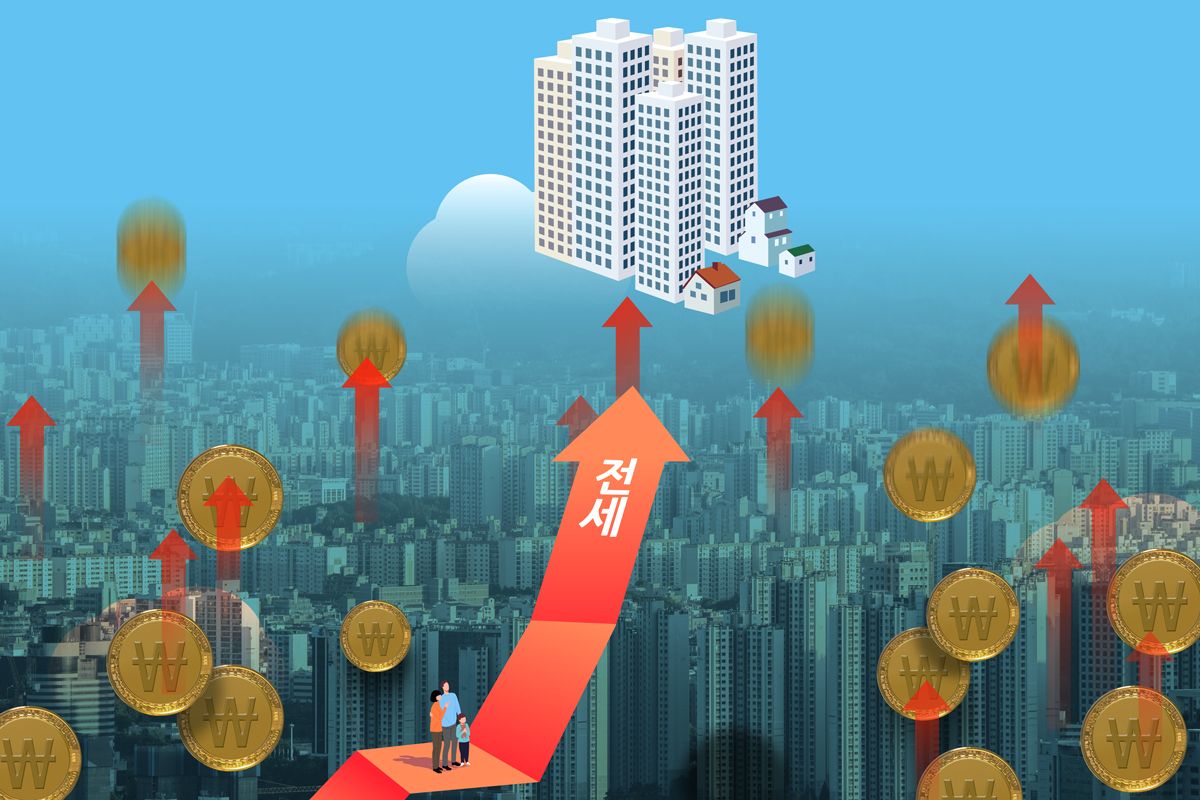
With government regulations, gap investments are virtually blocked, leading to a
sharp decline in the supply of rental listings
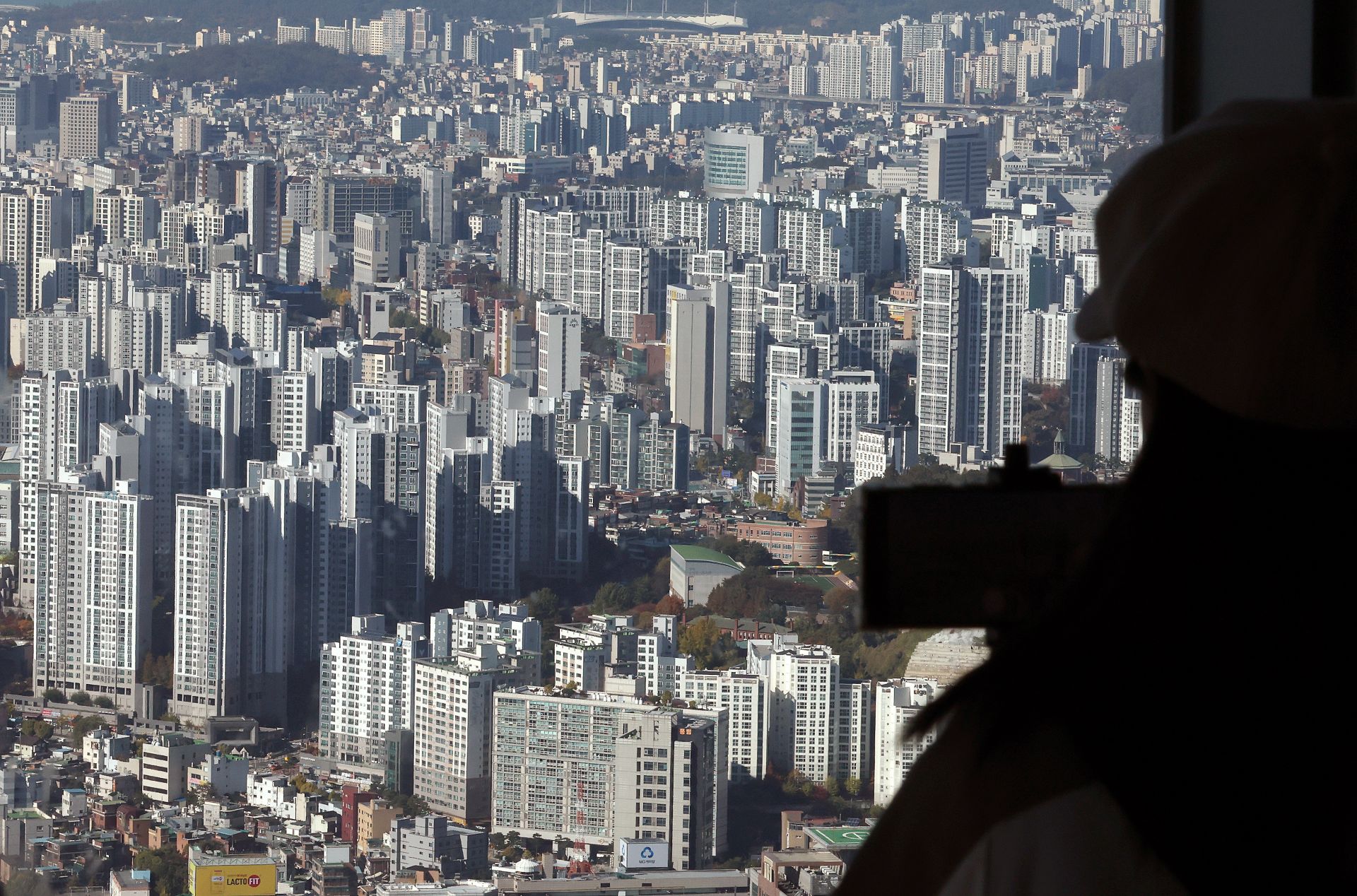
The rental supply-demand index rose to 105.0, intensifying the supply shortage.
Rental demand is concentrated in the Northeastern area of Gangbuk, where rents are lower than in Gangnam.
"Concerns over a sharp rise in rents next year are spreading"
Recently, a shortage of jeonse rental listings has been spreading in the Seoul apartment market. As gap investing (purchasing properties with existing jeonse tenants) has been blocked, the supply of jeonse rentals continues to decrease, resulting in a landlord-favored market. This trend is particularly pronounced in Gangbuk, where jeonse prices are relatively lower than in Gangnam. Concerns over a sharp rise in jeonse prices next year are growing.
Seoul’s Jeonse Supply-Demand Index at 105... 5.3 Points Higher Than the National Average of 99.7
According to the Korea Real Estate Board on November 24, last month, the jeonse supply-demand index for Seoul apartments was 105.0, which is 5.3 points higher than the national average of 99.7. In June, the index for Seoul was 102.4, but it has been steadily rising. This index ranges from 0 to 200; a value above 100 indicates demand exceeds supply, while a value below 100 signals an oversupply of jeonse rentals.


The shortage of jeonse rentals in Seoul is gradually intensifying. Due to the June 27 and October 15 measures, moving-in requirements were imposed when purchasing Seoul apartments, and gap investing was blocked. As the demand for buying homes with existing jeonse tenants has decreased, the supply of jeonse rentals has also fallen. Rising home prices have led to higher jeonse prices, prompting more tenants to renew their contracts, which has further reduced the number of available jeonse listings. Jeonse prices in Seoul continue to rise, increasing from 573.72 million won in June to 579.26 million won in September, and reaching 582.99 million won last month.
Demand Concentrated in Gangbuk Due to Lower Financial Burden... Northeastern Gangbuk Index at 106.4
Demand for jeonse apartments is particularly high in the northeastern area of Gangbuk (Seongdong, Gwangjin, Dongdaemun, Jungnang, Seongbuk, Gangbuk, Dobong, and Nowon districts) compared to other parts of Seoul. Last month, the jeonse supply-demand index for the northeastern Gangbuk area was 106.4, higher than the Seoul average. The southeastern Gangnam area (Seocho, Gangnam, Songpa, and Gangdong districts) recorded a lower index of 104.4.
The reduction in policy loan limits for jeonse support has had a significant impact. As available funds have decreased, young people starting their careers and newlyweds seeking to settle in Seoul are choosing areas with lower financial burdens, causing demand to concentrate in Gangbuk. Under the June 27 measures, the loan limit for the “Buttress” jeonse loan for young people was reduced from 200 million won to 150 million won, and for newlyweds, from 300 million won to 250 million won. The newborn jeonse loan limit also decreased from 300 million won to 240 million won. Last month, the average apartment price in the northeastern Gangbuk area was the lowest at 452.25 million won. In contrast, the southeastern Gangnam area was nearly twice as expensive at 883.86 million won.
"Landlord Dominance May Deepen Next Year"
Yoon Sumin, Real Estate Specialist at NH Nonghyup Bank, said, "As the decrease in Seoul apartment supply becomes more pronounced and restrictions on gap investing continue to reduce jeonse availability, we expect the landlord-favored market to intensify further next year." He added, "Since the apartment market in the northeastern Gangbuk area is relatively focused on rentals, anxiety in this region is even greater."
-

Reporter Lee Jungyun leejuyoo@asiae.co.kr
-
Edit Hong Jayeon hongzaa@asiae.co.kr
© The Asia Business Daily(www.asiae.co.kr). All rights reserved.
!["Please Help Us": How Much Do Those Bowing Deeply for Your Vote Really Earn? [Data Pick]](https://cwcontent.asiae.co.kr/asiaresize/323/2026052010120870131_1779239528.png)