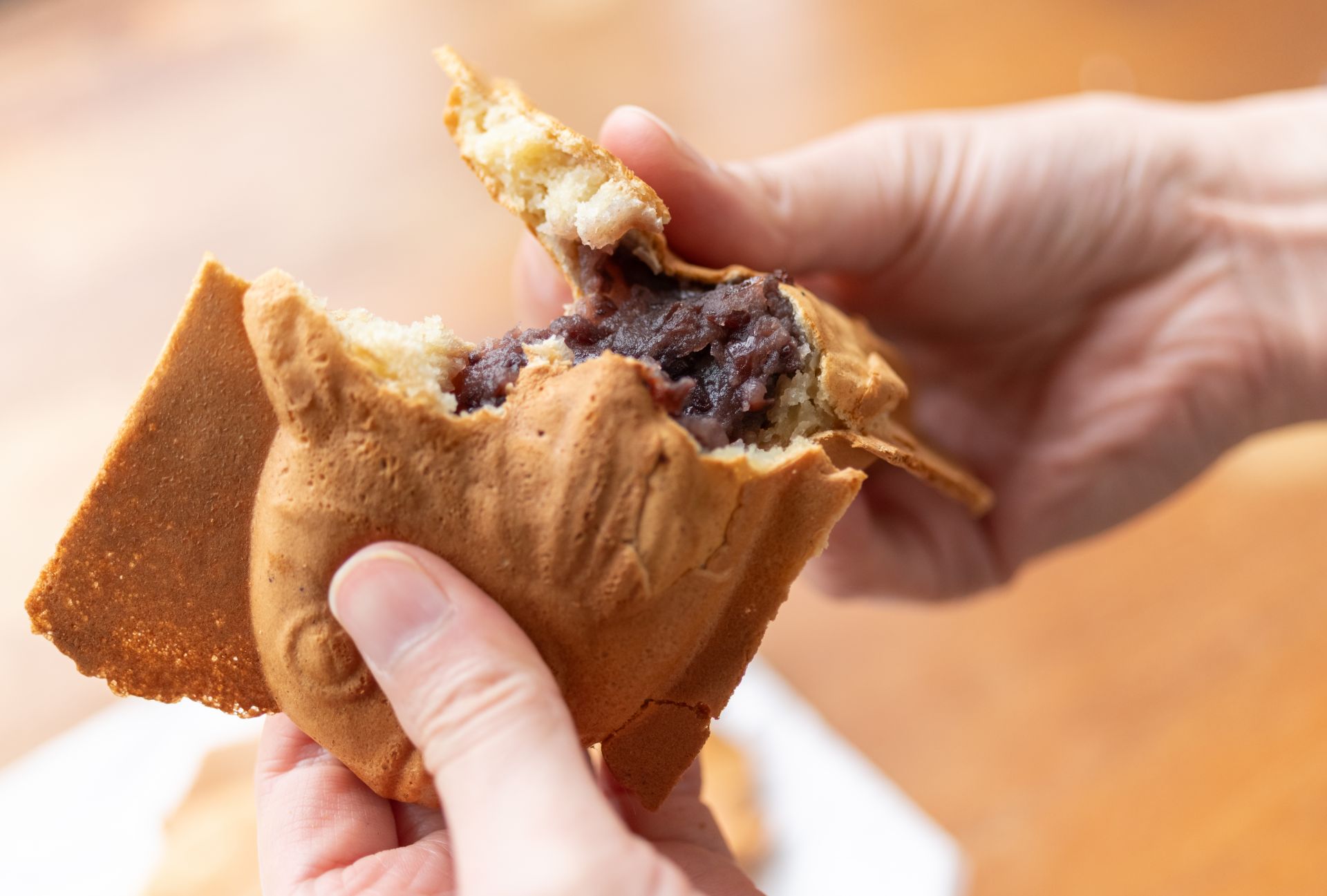
Bungeoppang, once a seasonal snack sold at winter street stalls, is now emerging as a strategic product in the global bakery market that goes beyond being just a Korean-style street food. Thanks to advancements in frozen food technology and the spread of Korean pop culture content, this snack has successfully entered major overseas distribution channels and is rapidly becoming a new growth driver for exports.
Bungeoppang Becomes a 'Convenient Dessert'... Growing Interest from Overseas Consumers

According to the Korea Customs Service on November 19, bakery exports-including bread and confectionery-reached 383.57 million dollars from January to October this year, an 8.5% increase compared to the same period last year (353.49 million dollars). Last year, annual exports hit a record high of 431.74 million dollars, and this year is expected to set another new record.
Industry experts attribute this growth to Korean-style bakery products such as Bungeoppang and steamed buns. With the improvement in frozen food quality, the convenience of preparation has significantly increased, allowing Bungeoppang to be reinterpreted as a "convenient dessert (HMR Dessert)." As a result, interest from overseas consumers has grown rapidly.
Korean Food Companies Position Bungeoppang as a New Global Growth Engine

Ottogi's four types of fish-shaped bread products with matcha, sweet potato, red bean, and cream filling, scheduled to be launched in the U.S. market in December. Provided by Ottogi
원본보기 아이콘In fact, Korean food companies have begun to develop Bungeoppang as a year-round global product. Starting next month, Ottogi will launch four types of Bungeoppang in the U.S. market, featuring matcha, sweet potato, red bean, and cream fillings. An Ottogi representative explained, "We have included not only the original red bean and cream flavors, but also matcha and sweet potato to reflect local preferences and trends. We have recreated the signature texture of Bungeoppang, with a crispy exterior and moist interior."

CJ CheilJedang recently collaborated with the organic matcha brand "Super Matcha" to launch "Bibigo Matcha Bungeoppang" in South Korea. Photo by CJ CheilJedang
원본보기 아이콘CJ CheilJedang is also nurturing Bungeoppang as part of its next-generation K-food lineup. The company has designated six strategic products in the K-street food category: tteokbokki, hot dogs, gimbap, fried seaweed rolls, Bungeoppang, and hotteok. Bibigo Bungeoppang began exports in August 2023 and is now sold in major markets such as the United States, Japan, the Philippines, and Vietnam.
Exported products include three types of Bibigo Bungeoppang: red bean, cream, and chocolate. Recently, the company collaborated with the organic matcha brand 'Super Matcha' to launch 'Bibigo Matcha Bungeoppang' in Korea, and is considering expanding the product category. A CJ CheilJedang representative stated, "Although it is difficult to disclose specific overseas sales or performance figures at this time, sales began in the U.S. ethnic channels in January last year and have received a positive response."

Snacks that replicate the shape of Bungeoppang are also enjoying high popularity. Orion's 'Chambung-eo Bread' established a local production system based on demand from Chinese tourists, and after being stocked in Costco in the United States this year, export sales have increased nearly tenfold compared to the previous year.
A Must-Try Snack in Korea... Its Cute Appearance Also Plays a Role

Industry experts point to the familiarity created by Korean pop culture content as the main factor accelerating Bungeoppang's global spread. The fish-shaped bread, which has repeatedly appeared in Korean travel vlogs, K-dramas, and variety shows, has instilled in foreign consumers the perception that it is a "must-eat street food when visiting Korea." The trend of rising prices is also supporting the spread of Bungeoppang. As coffee and bakery prices increase in major markets such as the United States and Japan, Bungeoppang is gaining attention as an affordable yet satisfying alternative dessert. Furthermore, its cute fish shape makes it photogenic and easy to share on social media, which is also cited as a factor in its popularity.
Experts note that the export structure of K-food is rapidly expanding beyond ramen and dumplings to include general frozen foods, bakery items, and even street food categories. Bungeoppang is recognized for its competitive edge in price, preparation convenience, and visual appeal, playing a key role in broadening the dessert segment.
An industry insider commented, "Bungeoppang is a product that naturally attracts overseas consumers who want to experience Korean culture, not just for its taste. In the future, diversifying the product lineup, expanding sales channels, and securing price competitiveness will be key tasks for long-term growth."
-

Reporter Han Yeju dpwngks@asiae.co.kr
-
Edit Kim Boram kbram6457@asiae.co.kr
© The Asia Business Daily(www.asiae.co.kr). All rights reserved.
!['WHO Declares International Public Health Emergency' Why the Untreatable 'Variant Ebola' Is More Deadly Than COVID-19 [Reading Science]](https://cwcontent.asiae.co.kr/asiaresize/323/2026052110164072055_1779326201.png)
!["Please Help Us": How Much Do Those Bowing 90 Degrees These Days Actually Earn? [Data Pick]](https://cwcontent.asiae.co.kr/asiaresize/323/2026052010120870131_1779239528.png)