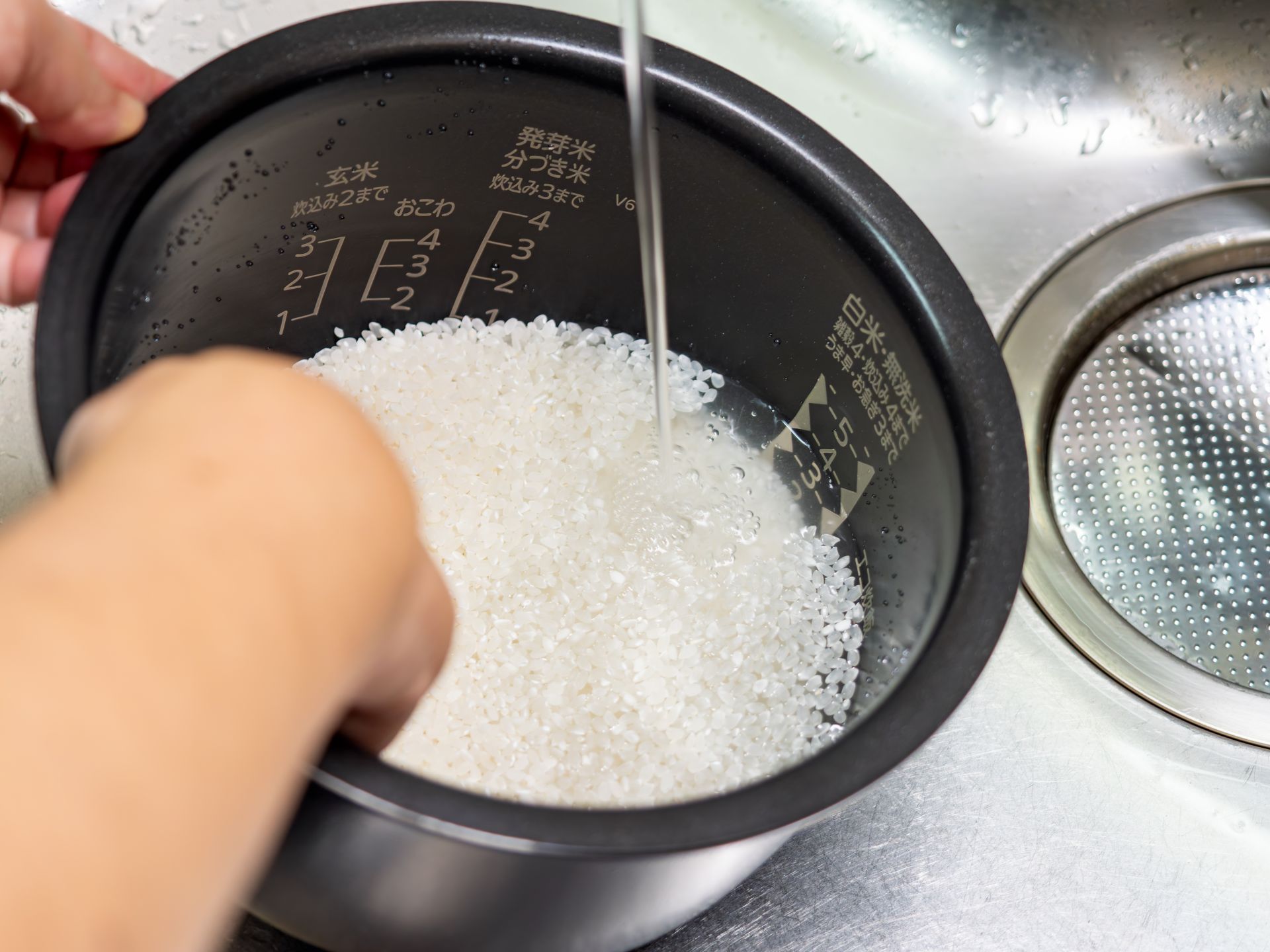
Sangwook Kang, professor of Chemical Energy Engineering at Sangmyung University, warned, "When washing rice in an inner pot, the coating can be scratched and peeled off. In the case of an inner pot coated with aluminum material, if the coating peels off, aluminum is exposed," adding, "If you cook rice in that state, aluminum particles can leach out and be ingested along with the rice."
Many people wash rice directly in the inner pot of an electric rice cooker out of convenience. Although it is easier since you do not need to transfer the washed rice, experts have warned that this seemingly trivial habit can increase the risk of kidney damage and even dementia.
"If the inner pot's coating peels off, aluminum is exposed... Risk of ingesting it with rice"
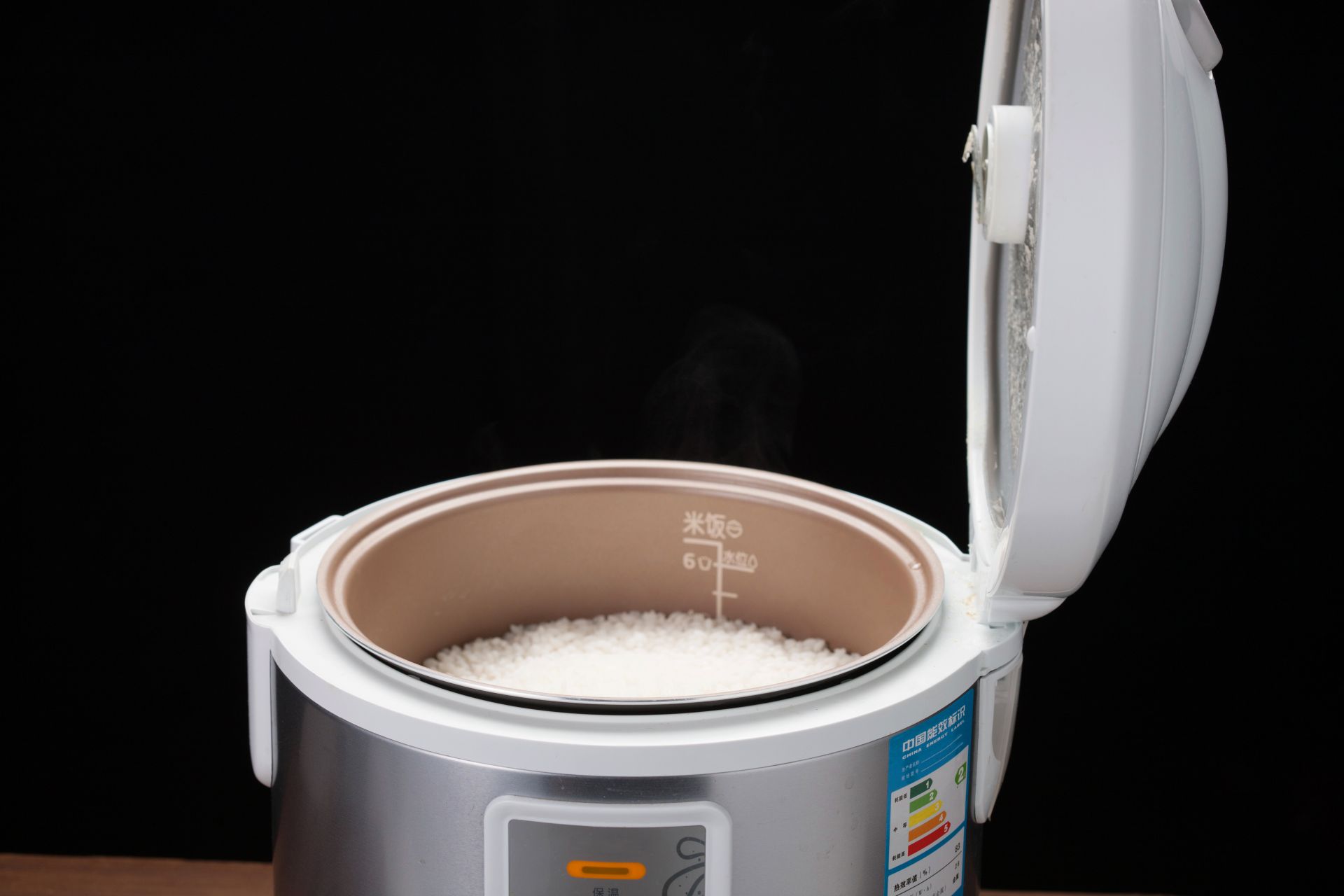
He said, "Even if aluminum is ingested, most people excrete it through their kidneys. However, if kidney function declines, it circulates in the body and gradually accumulates," and added, "There are research findings that particularly when it accumulates in the brain, it is associated with dementia."
He also emphasized, "When cleaning, it is better to use a sponge or microfiber mesh rather than a steel scrubber, and when serving rice, it is preferable to use a dedicated rice paddle instead of a metal spoon."
Sangwook Kang, professor of Chemical Energy Engineering at Sangmyung University, recently warned on the YouTube channel 'DoctorChin', "(When you wash rice in the inner pot, the coating gets scratched and peeled off.) In the case of an inner pot coated with aluminum, if the coating peels off, aluminum is exposed," adding, "If you cook rice in that state, aluminum particles can leach out and be ingested along with the rice."
He explained, "Even if aluminum is ingested, most people excrete it through the kidneys. However, if kidney function declines, it circulates in the body and gradually accumulates," and added, "Research shows that accumulation in the brain is particularly associated with dementia." The government also recommends not storing acidic foods in aluminum containers to prevent aluminum intake.
In fact, the inner pots of electric rice cookers are often coated with fluororesin (Teflon) or similar materials to prevent rice from sticking. When rice is washed in the inner pot, the grains can scratch the surface, making it easy for the coating to be damaged. During this process, exposed metal components are more likely to seep into food in the high-temperature environment of rice cooking.
The harmful effects of aluminum on the human body have already been pointed out several times in academia. Dr. Virginie Rondeau of the French National Institute of Health and Medical Research warned that "if daily aluminum intake exceeds 0.1 mg, it can cause cognitive impairment." Researchers at Keele University in the United Kingdom also reported that "high concentrations of aluminum were detected in 42% of patients with familial Alzheimer's disease." In other words, even small amounts of aluminum, if accumulated over a long period, can negatively affect the nervous system.
"You cannot be assured just because it is a stainless steel inner pot"

Professor Kang said, "You cannot be assured just because it is a stainless steel product." YouTube channel 'DoctorChin'
원본보기 아이콘Recently, inner pots coated with stainless steel instead of aluminum have become more common. However, you cannot be assured just because it is a stainless steel product. Professor Kang said, "If the coating peels off, this time stainless steel is exposed. Stainless steel is not immune to corrosion forever."
He explained, "In the case of stainless steel products, the appearance of a reddish color indicates corrosion. If you cook in that state, nickel and chromium can leach out. Washing rice in the inner pot accelerates the peeling of the coating," he said. He also advised, "If residue is left and the pot is dried in that state, stainless steel will corrode more quickly. It is important to clean thoroughly, dry before use, and if you see a reddish color, replace the pot without hesitation."
He further emphasized, "When cleaning, it is better to use a sponge or microfiber mesh rather than a steel scrubber, and when serving rice, use a dedicated rice paddle instead of a metal spoon," adding, "If residue is left and the pot is dried, corrosion will progress more quickly, so it is crucial to ensure complete drying after each use."
-

Reporter Seo Jiyeong zo2zo2zo2@asiae.co.kr
-
Edit Kwon Sooyoun afineday75@asiae.co.kr
© The Asia Business Daily(www.asiae.co.kr). All rights reserved.
!["Please Help Us": How Much Do Those Bowing 90 Degrees These Days Actually Earn? [Data Pick]](https://cwcontent.asiae.co.kr/asiaresize/323/2026052010120870131_1779239528.png)