
Jo Kyung-tae, a member of the National Assembly's Agriculture, Forestry, Livestock, Food, and Maritime Affairs Committee from the People Power Party, pointed out during this year's National Assembly audit that based on an analysis of data from the Board of Audit and Inspection, large supermarkets unfairly gained profits by raising the price of spinach by 33.8% on the morning of the day the government's 20% discount support event started, then deceptively selling it at a discount.
The government has taken decisive action to address the soaring food prices. After years of continuous food price hikes attributed to rising raw material costs during the COVID-19 pandemic, and with agricultural product prices fluctuating under the pretext of climate change, authorities have now uncovered evidence that distribution companies have been making unfair profits in the process. As international commodity prices have recently been declining, attention is focused on whether the Lee Jaemyung administration’s unexpected crackdown will increase pressure across the distribution industry to lower prices.
According to industry sources on October 17, the government is currently investigating the overall market for food ingredients such as wheat, sugar, and eggs, which make up the "cost of bread." On the previous day, the Fair Trade Commission conducted on-site inspections at seven flour milling companies, including CJ CheilJedang, Sajo DongA One, Daesun Flour Mills, Samyang Corporation, Samhwa Mills, and Hantap. The purpose was to determine whether these companies had engaged in collusion by pre-arranging prices or adjusting shipment volumes. As flour is a basic ingredient for major processed foods such as bread, ramen, and snacks, its price fluctuations are directly reflected in consumer prices.
Fair Trade Commission Investigates Prices of Sugar, Flour, and Eggs
Previously, the Fair Trade Commission also announced the initiation of sanctions procedures regarding allegations of sugar price collusion. Major sugar manufacturers, including CJ CheilJedang, Samyang Corporation, and Korea Sugar, which together account for over 90% of the domestic market share, are under investigation. The distribution structure of eggs has also been included in the probe to determine why retail prices remain high despite relatively stable farm prices.
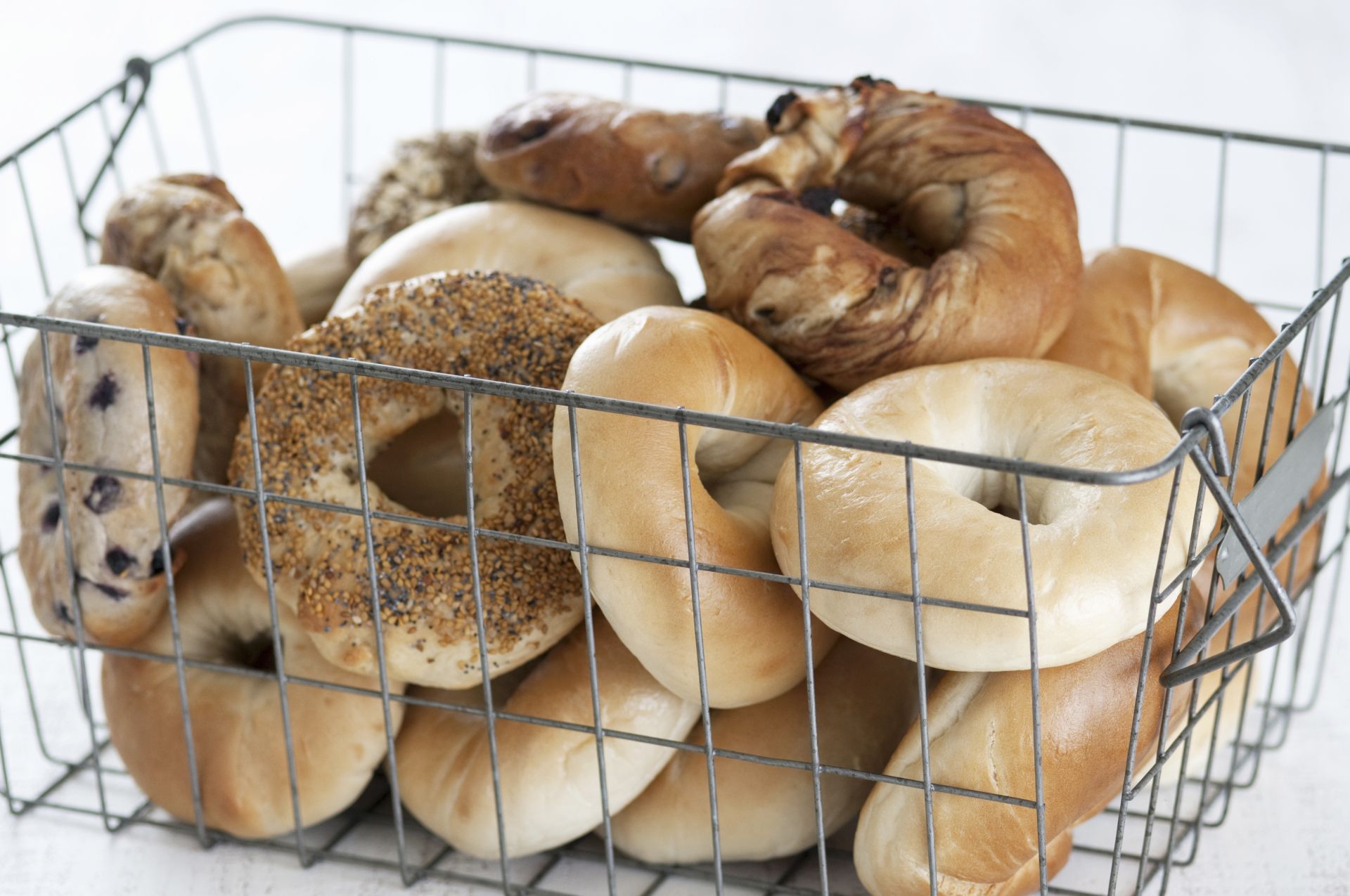
The key issue for the Fair Trade Commission is "price rigidity"-the phenomenon where domestic food prices remain high even when international raw material prices fall. For example, according to the New York Mercantile Exchange, the price of raw sugar dropped by about 40%, from $593 per ton in October 2023 to $357 per ton in October 2024. The price of wheat also fell from $210 to $185 during the same period. However, the prices of bread and confectionery products in Korea remain elevated. According to Korea Credit Data, the price of bagels-a popular item-has surged by 44% over the past three years, while salt bread and sandwiches have each increased by more than 30%.
Allegations of “Deceptive Discounts” at Major Supermarkets
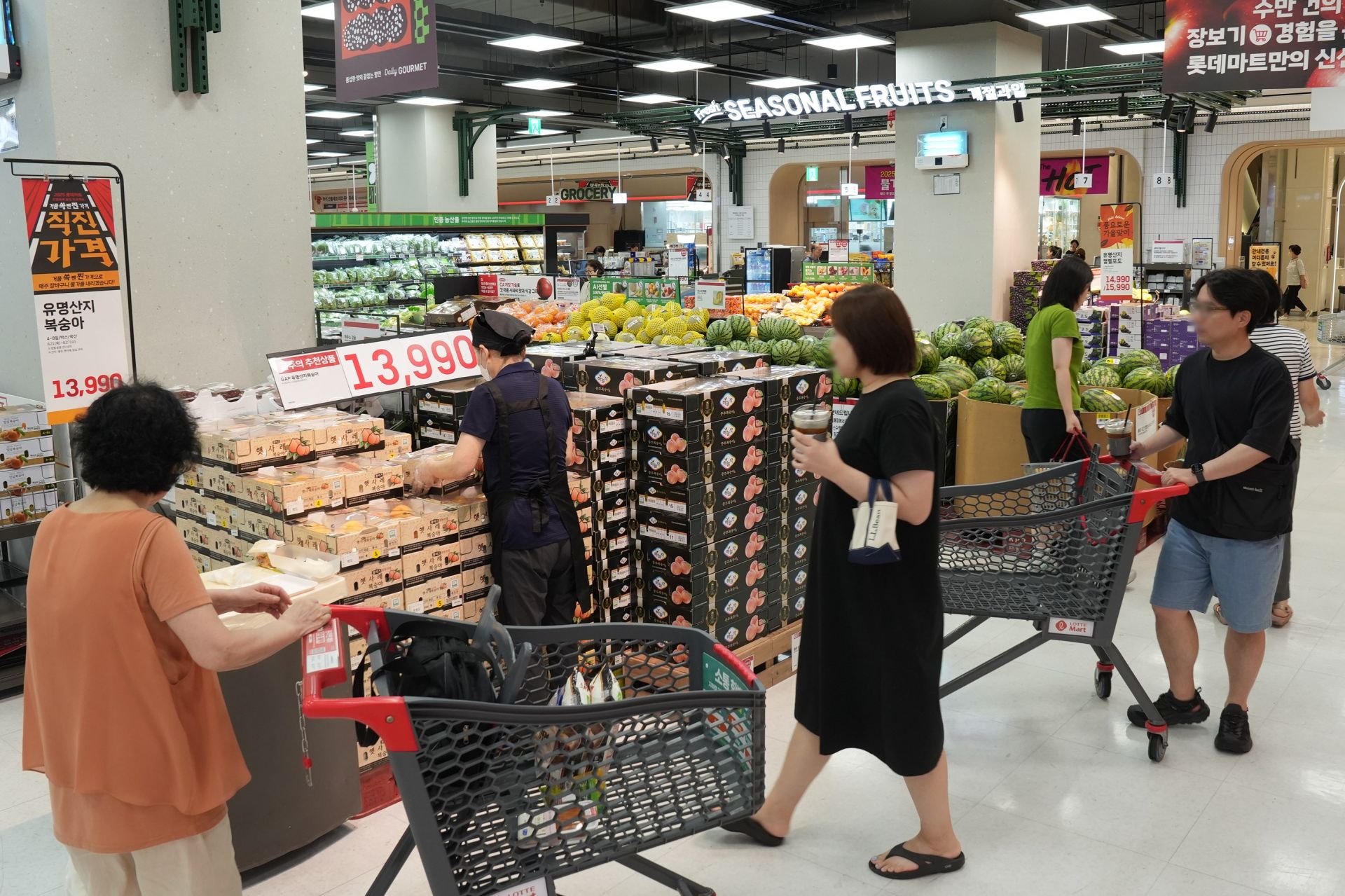
The Fair Trade Commission has also launched an investigation into major supermarkets for allegedly inflating prices by exploiting the government’s agricultural product discount support program. Last month, investigators were dispatched to the headquarters of Emart and Lotte Mart to secure price-related data, and other retailers, including Homeplus, were asked to submit relevant materials. This action follows the Board of Audit and Inspection’s recent report on the Ministry of Agriculture, Food and Rural Affairs, which pointed out that six major distribution companies raised the prices of 132 out of 313 items eligible for discounts immediately before the events between June and December 2023, in line with the government’s discount support program.
The agricultural product discount support program, introduced in July 2020, is a policy whereby the government reimburses retailers for 20% discounts on agricultural products, up to a maximum of 10,000 won per purchaser. A total budget of 600 billion won was allocated for this program through last year, with an additional 228 billion won for this year and 108 billion won for next year. However, there have been criticisms that, contrary to the original intent of stabilizing grocery prices, the program has been exploited by large retailers to artificially inflate prices.
Similar suspicions have arisen regarding discount events for livestock products. Last month, the Price Monitoring Center of the Korea Consumer Organizations Council conducted a survey on Chuseok holiday food prices and stated, "Despite the government’s efforts to stabilize prices during Chuseok by increasing slaughter and supply and providing discount support, and despite the lack of any special issues with livestock products, prices continue to rise every year." The council further questioned, "Are major supermarkets setting high prices and then applying steep discounts to create the illusion for consumers that they are purchasing products at a bargain?"
Supporting this claim, the council pointed out that the price of beef for skewers and general use at major supermarkets was 59,732 won, 5,720 won more expensive than at department stores (54,012 won), and the price of beef for soup and brisket at major supermarkets (53,223 won) was 1.6 times higher than at traditional markets (32,613 won). In addition, in the fisheries sector, 73% (164.8 billion won) of the government’s approximately 226 billion won support budget for the "Korea Fisheries Grand Sale" over the past three years has been concentrated in major retailers such as Emart and Coupang, highlighting ongoing issues. An industry representative responded to these criticisms by stating, "We are cooperating fully with the Fair Trade Commission’s ongoing investigation, including the submission of relevant data."

This comprehensive investigation by the Fair Trade Commission was initiated under the direct orders of President Lee Jaemyung. At a Cabinet meeting on September 30, President Lee criticized, "The sharp rise in food prices began in early 2023, and we must fundamentally question why prices started to increase at that time. It should be seen as a failure of the government’s ability to control prices." He then asked Fair Trade Commission Chairman Joo Byungki, "Is there a possibility of collusion? Is it possible to issue a price adjustment order?" thus urging the commission to intervene proactively.
Following this, the Fair Trade Commission has been thoroughly examining the state of competition in the raw material market, the distribution structure, and the possibility of price collusion. The commission’s approach goes beyond investigating individual items for collusion, aiming to structurally assess whether an "implicit cartel" across the distribution industry is distorting everyday prices.
However, the distribution industry argues that the criticism is unfair. A representative of a flour milling company explained, "Even if raw material prices fall, there are many variables such as the structure of inter-company contracts, exchange rates, logistics costs, and labor costs, making immediate price reductions difficult." The sugar industry also stated that in July, it lowered the average price of white and brown sugar for business-to-business transactions by 4.4% (CJ CheilJedang and Korea Sugar) and by 4.0% (Samyang Corporation).
-
Reporter Lim Hyeseon lhsro@asiae.co.kr
-

Reporter Kim Heungsoon sport@asiae.co.kr
-
Edit Kim Hyunhee faith100@asiae.co.kr
© The Asia Business Daily(www.asiae.co.kr). All rights reserved.
!["Please Help Us": How Much Do Those Bowing Deeply for Your Vote Really Earn? [Data Pick]](https://cwcontent.asiae.co.kr/asiaresize/323/2026052010120870131_1779239528.png)