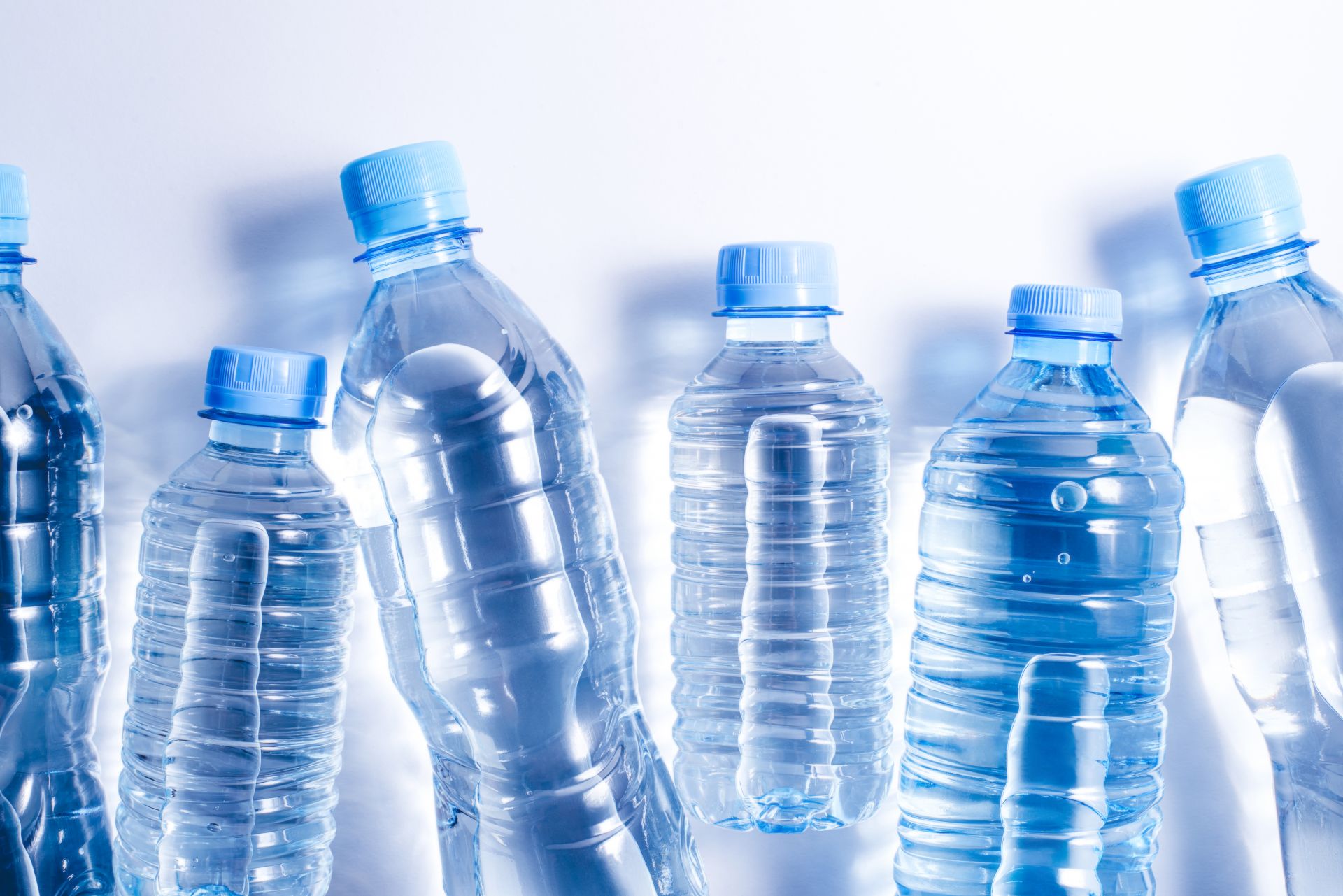
Research has found that microplastics, which escape unnoticed from familiar bottled water, pose a threat to our health. This is not simply a matter of "possibly ingesting a little"; rather, long-term exposure could lead to serious chronic diseases.

The smaller plastic fragments become, the more dangerous they are. Microplastics are tiny pieces ranging from 1μm to 5mm in size, while nanoplastics are much smaller, measuring between 10nm and 1μm. These fragments are so small that they are invisible to the naked eye, yet they are released from bottled water and enter our bodies along with the water we drink.


A research team at Concordia University in Canada conducted a comprehensive analysis of more than 141 related studies. As a result, it is estimated that a person ingests about 39,000 to 52,000 microplastic particles per year. In particular, those who mainly drink bottled water can swallow up to 90,000 more plastic particles annually than those who drink tap water. In other words, a single bottle of water, consumed without much thought, accumulates in our bodies.

Because nanoplastics are so small, they can easily pass through barriers and penetrate deep into the human body. The research team warned that long-term exposure could lead to a variety of chronic health problems, including respiratory diseases, reproductive issues, neurotoxicity, and carcinogenicity. Reproductive problems, in particular, are drawing more attention because of their potential to affect future generations over the long term.


The problem does not stop at individual health. When bottled water containers are discarded, they end up in landfills, rivers, and oceans, eventually affecting natural habitats. Small plastic fragments disrupt the balance of ecosystems and infiltrate the food chains of marine life. Ultimately, this cycle comes back to humans, making it both an environmental and a human issue.

The research team pointed out that testing methods for microplastics and nanoplastics are not yet standardized, and regulations are still very inadequate. In other words, it is difficult to know exactly how much and what types of plastic we are ingesting. Therefore, the team emphasized the urgent need for more comprehensive regulations, increased public awareness, and further research.
-

Reporter Yun Seulgi seul97@asiae.co.kr
-
Edit Hur Eunmi eungmimon@asiae.co.kr
© The Asia Business Daily(www.asiae.co.kr). All rights reserved.