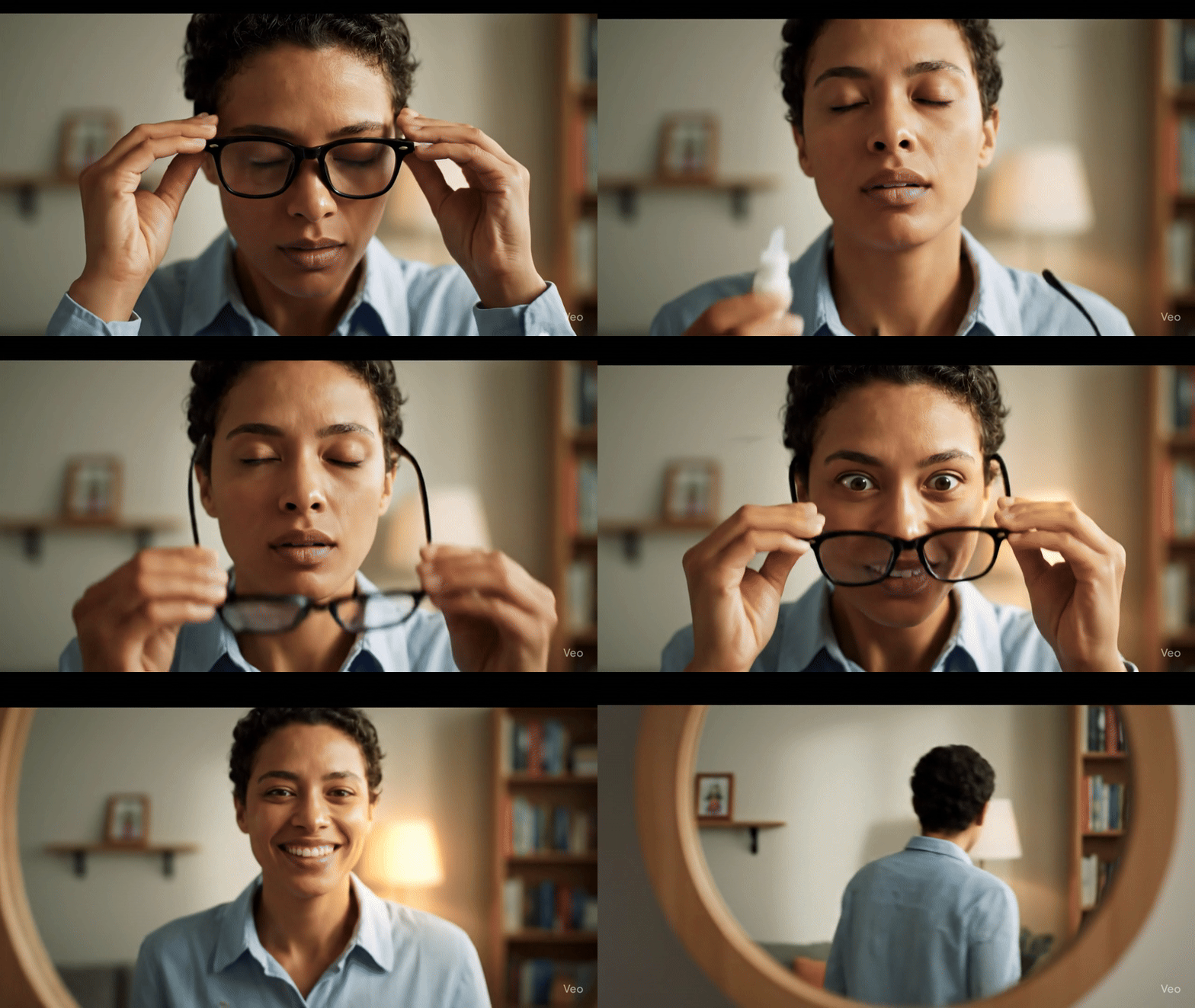

The research team administered this eye drop to 766 patients with an average age of 55. Participants were divided into three groups and applied eye drops with different concentrations twice a day at six-hour intervals.
A study has attracted attention by presenting evidence that presbyopia can be improved with just eye drops, without the need for glasses or surgery. The findings show that using special eye drops twice a day can improve presbyopia, and that the effect may last for up to two years.
According to the Guardian in the United Kingdom on September 14 (local time), a research team from the Presbyopia Research Center in Buenos Aires, Argentina, announced these findings at the European Society of Cataract and Refractive Surgeons (ESCRS) conference held in Copenhagen, Denmark, on September 8.
The research team developed a special eye drop by combining pilocarpine, which is used as a treatment for glaucoma, with diclofenac, an anti-inflammatory drug. Pilocarpine helps focus on nearby objects by constricting the pupil and contracting the muscles that control the lens, in a manner similar to how a camera adjusts its focus. Diclofenac helps reduce side effects such as inflammation, pain, and bleeding that may occur with long-term use of pilocarpine.
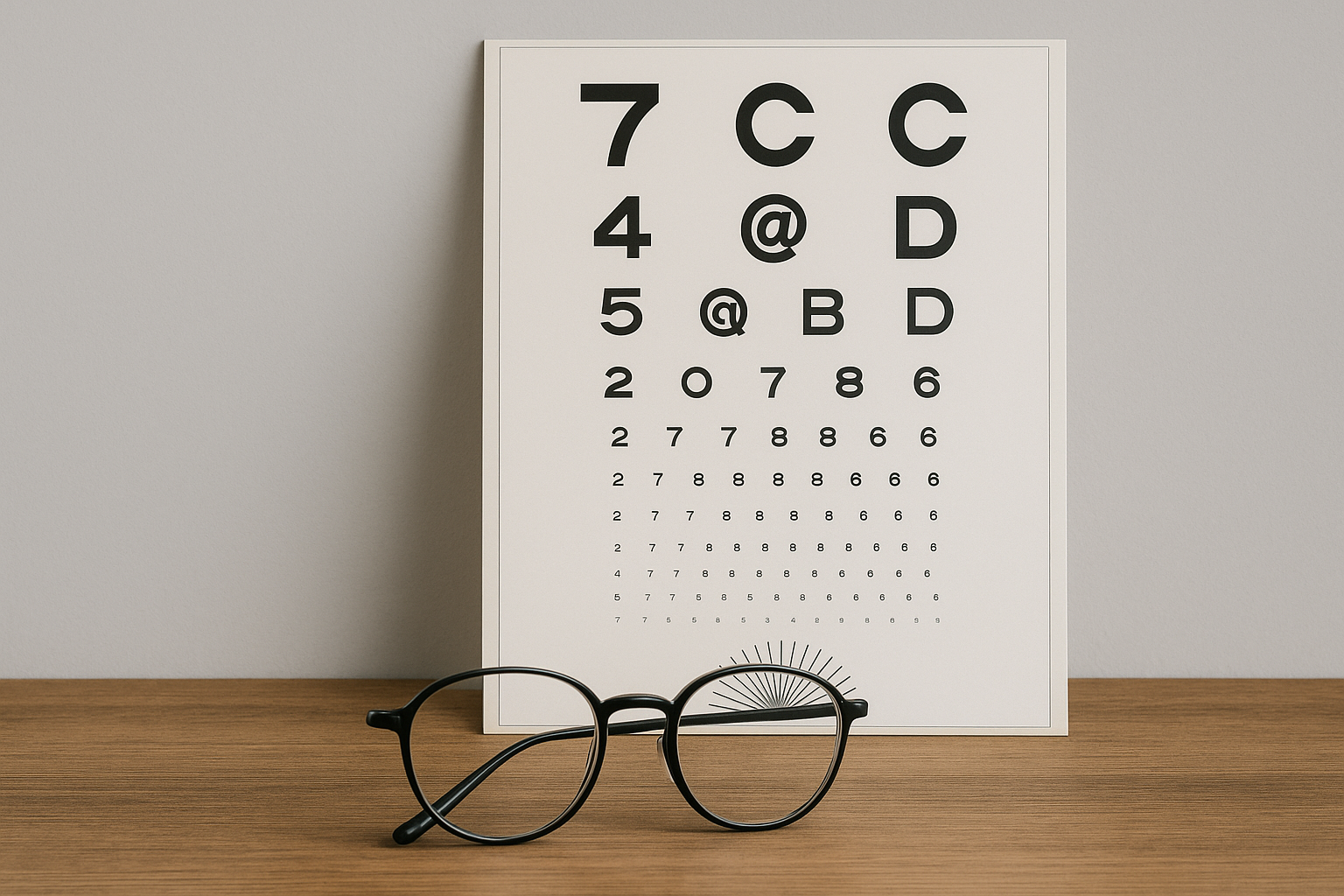
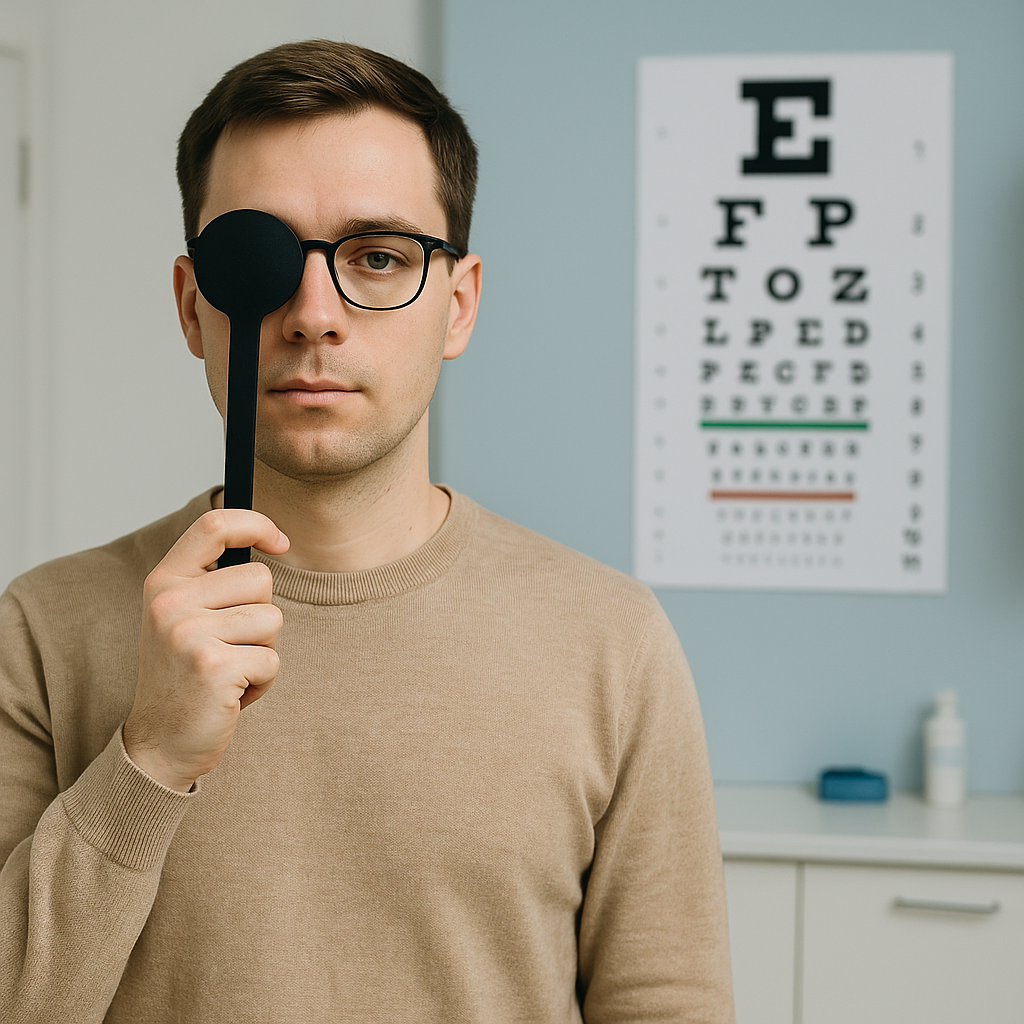
The three groups were given eye drops containing pilocarpine concentrations of 1%, 2%, or 3%, while the concentration of diclofenac was the same for all. After applying the eye drops, participants read the vision test chart used for myopia examination without wearing glasses.
As a result, participants in all groups showed an improvement in vision. Specifically, in the group that used 1% concentration eye drops (148 people), 99% were able to read at least two more lines on the eye chart.
In the group that used 2% concentration eye drops (248 people), 69% could read three additional lines, and in the group that used 3% concentration eye drops (370 people), 84% could read three additional lines. The vision improvement effect in participants lasted an average of 434 days, with a maximum duration of nearly two years.
However, there were some side effects. Some participants experienced temporary blurred vision or eye irritation immediately after instillation, and some reported headaches.
The research team explained, "This eye drop could be a safe and effective alternative to existing presbyopia treatments."
Burkhard Dick, a professor at Ruhr University Bochum in Germany, commented, "These are impressive results," but added, "Further research is needed to confirm long-term safety."
!["Please Help Us": How Much Do Those Bowing 90 Degrees These Days Actually Earn? [Data Pick]](https://cwcontent.asiae.co.kr/asiaresize/323/2026052010120870131_1779239528.png)